San Nicolò & the Krampus: between legend and tradition
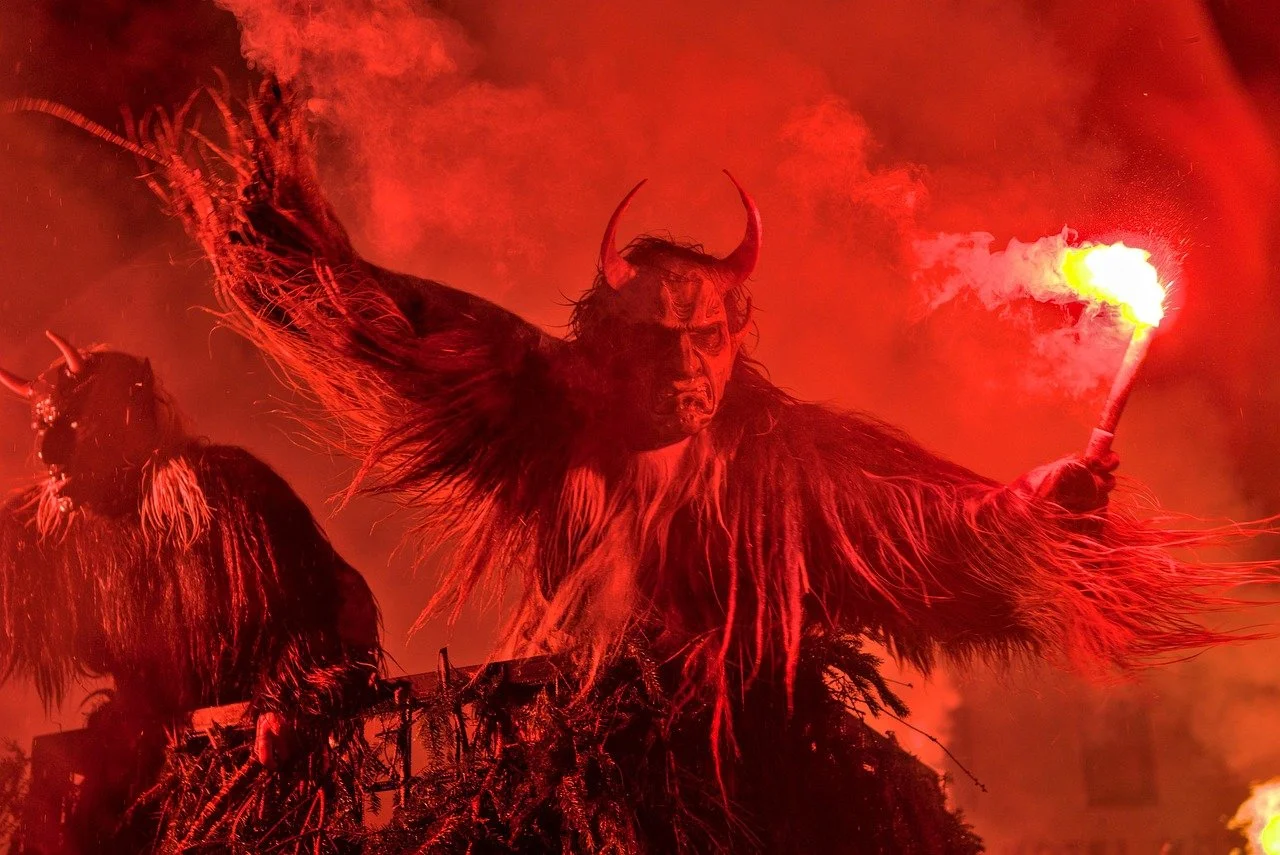
Krampus costoms
At the beginning of December, several regions in Italy celebrate figures such as San Nicolò, San Nicola, or Santa Lucia, all connected to the ancient tradition of bringing gifts to children. Over the centuries, these characters have evolved into symbols of generosity, eagerly awaited each year by the little ones.
In this blog, however, I want to focus on San Nicolò, a particularly fascinating figure deeply rooted in Alpine culture. I grew up with this tradition and cherish beautiful memories of the evenings dedicated to his celebration: the anticipation, the excitement, the small gifts, and the special atmosphere that embraced the entire village. For me, San Nicolò represents a precious connection to my childhood and to the roots of my homeland, an additional reason to share his story and customs with you.
I especially loved the night dedicated to San Nicolò. He would visit every home in the village, stopping by each child’s house with his little donkey to offer candies and wish everyone goodnight, promising to return later to leave a special gift. Before bedtime, we would carefully prepare a glass of milk along with cookies and mandarins, placing them on the kitchen table as a humble token of thanks. Then we went to sleep, hearts full of excitement and the next morning, a gift awaited us at home. The joy and wonder of that moment were simply unforgettable.
Who is San Nicolò? Who are the Krampus?
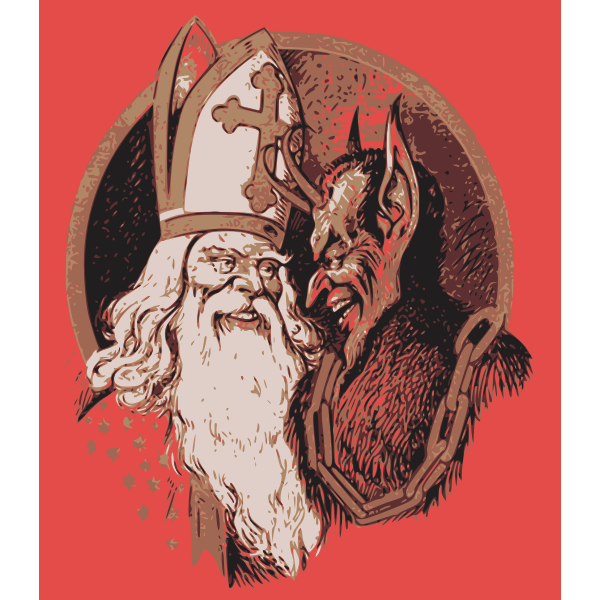
San Nicolò traces his origins to Saint Nicholas of Myra, a Christian bishop who lived in the 4th century, known for his immense generosity toward the poor and children. His reputation as a protector and benefactor spread throughout Europe and eventually inspired the character of Santa Claus. In Alpine tradition, San Nicolò is portrayed as a benevolent figure dressed in bishop’s garments, with a mitre and crosier. On the evening of December 6, he visits children, speaks to them, and brings small gifts to those who have behaved well. These usually include tangerines, dried fruit, chocolates, or traditional sweets. He is considered a guiding and protective figure, symbolizing light and kindness as the Advent period begins.
By his side are the Krampus, who create a symbolic balance between good and evil, reward and warning, reminding children (and adults) of the importance of good behavior throughout the year.
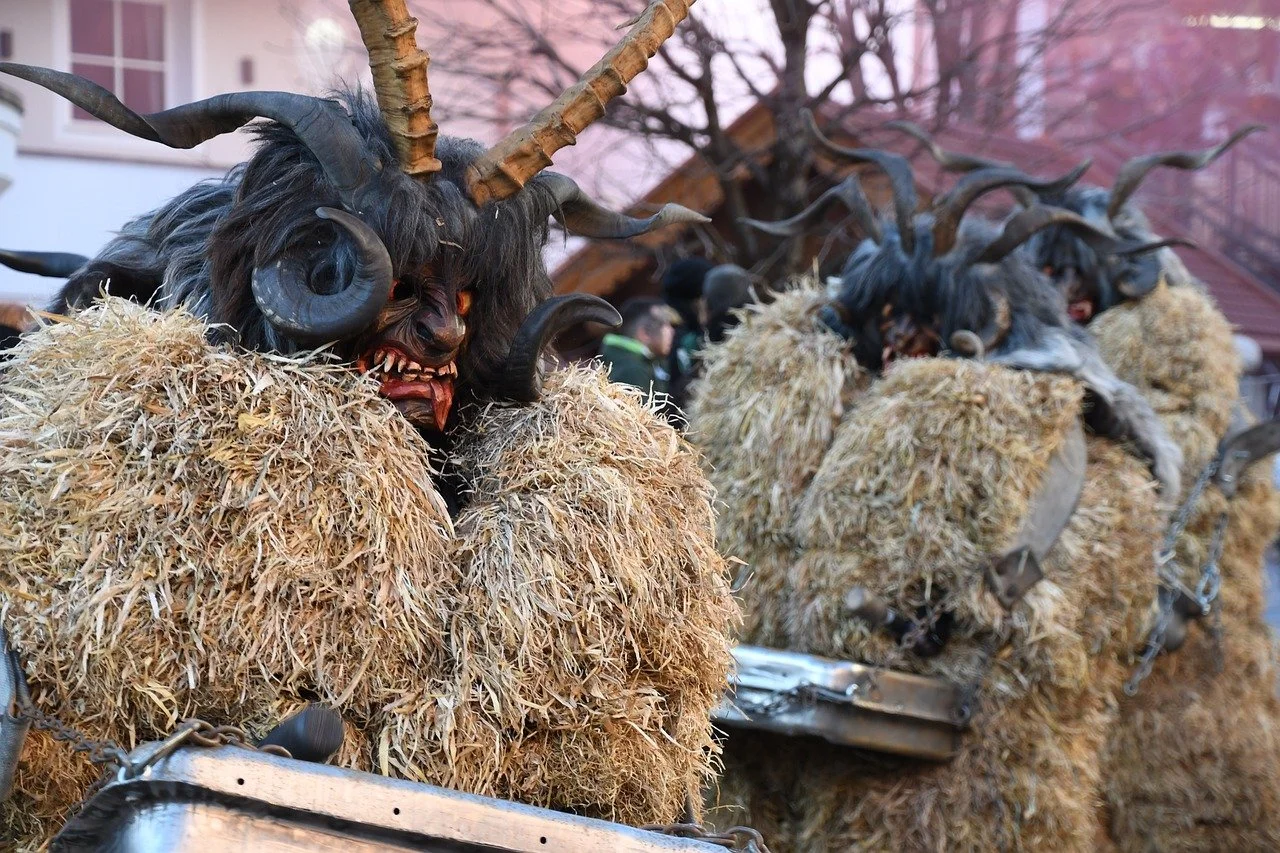
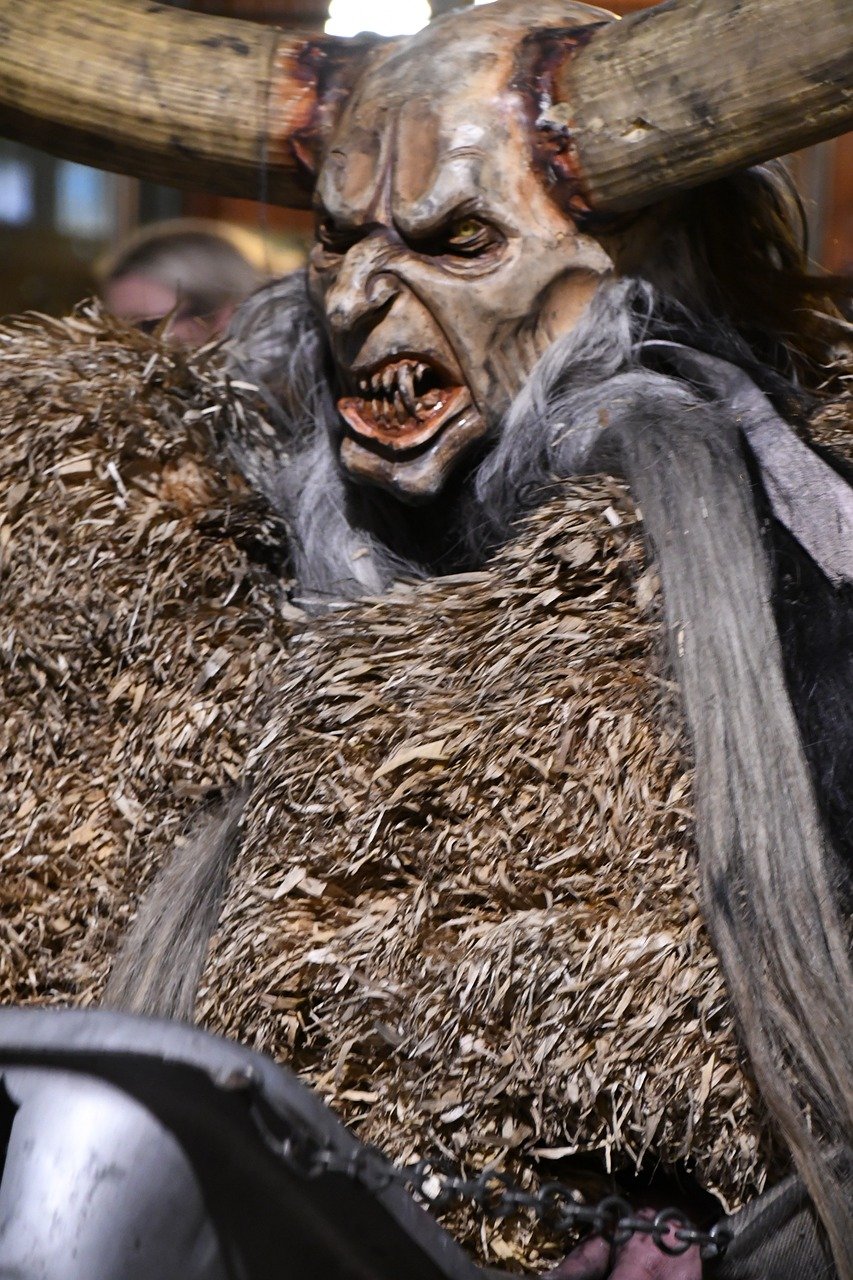
The Krampus are creatures of Alpine folklore with deep roots in pre-Christian mountain culture. They appear monstrous, half goat and half demon. They wear heavy dark furs, have curved horns, hooves, sharp teeth, and wooden hand-carved masks. Their presence is marked by rattling chains and cowbells echoing through the streets, creating an intense and eerie atmosphere. The origins of the Krampus are linked to the pagan world: they once embodied wild mountain spirits representing winter and the dark forces of nature. With the arrival of Christianity, this tradition merged with that of San Nicolò, giving rise to a dual representation. San Nicolò rewards the good children, while the Krampus warn the naughty ones.
This duality reflects a balance between light and shadow, good and evil, order and chaos, typical of many Alpine traditions. During the celebrations, the Krampus parade through the streets running, shouting, and shaking chains and cowbells. They sometimes playfully tease onlookers, yet the atmosphere remains festive and controlled. Today, their role is largely symbolic and cultural. Despite their frightening appearance, they are part of a beloved and deeply rooted celebration.
The Krampus Parades
From late November to early December, many Alpine villages, especially in South Tyrol, Austria, and Bavaria, host the famous Krampus parades.
At night, streets and squares are transformed. Torches and fire illuminate the faces of the masks, cowbells echo between the houses, and the shouts of the Krampus mix with drums and music. The atmosphere is intense, a little unsettling, and truly unforgettable.
Every year, the parades attract thousands of spectators eager to witness a ritual that feels as if it comes from another time. In South Tyrol, towns such as Ortisei, Castelrotto, Sesto, Dobbiaco, and Vipiteno are particularly well known for this tradition.
During the celebration, San Nicolò gives children small gift bags filled with tangerines, dried fruit, gingerbread, and chocolates. This tradition often intertwines with Christmas markets, where you can enjoy mulled wine, typical sweets like zelten, and purchase local crafts. Experiencing the markets and attending the parade on the same evening makes the celebration even more magical.
The parades attract large crowds, so it is best to arrive early to find a good spot. Temperatures are often below freezing, so dress warmly, especially if you plan to stay outdoors for the entire event. The experience is suitable for many, but the Krampus can be quite intense and some children may find them frightening. If attending with young kids, keep this in mind and choose quieter viewing areas. The streets can become crowded, so it is useful to set a meeting point in case someone gets separated.
Joining this tradition means diving into the true cultural soul of the Alps. It is a blend of emotion, history, and folklore that reveals much about the spirit of the region.
The dramatic masks, fire-lit streets, music, and misty mountain ambiance create a unique experience, perfect for photography lovers or anyone who wants to explore something beyond the classic Christmas markets.
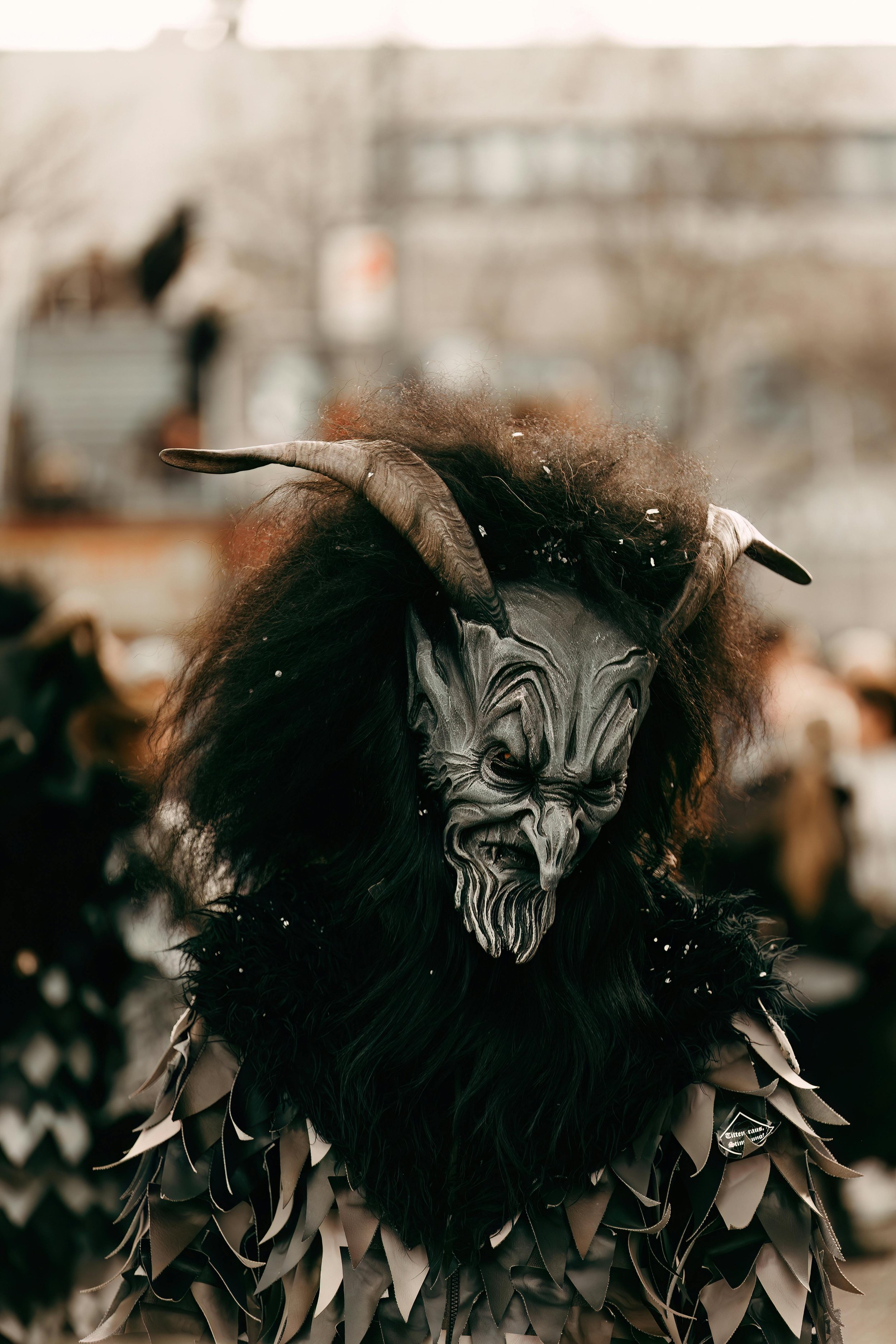
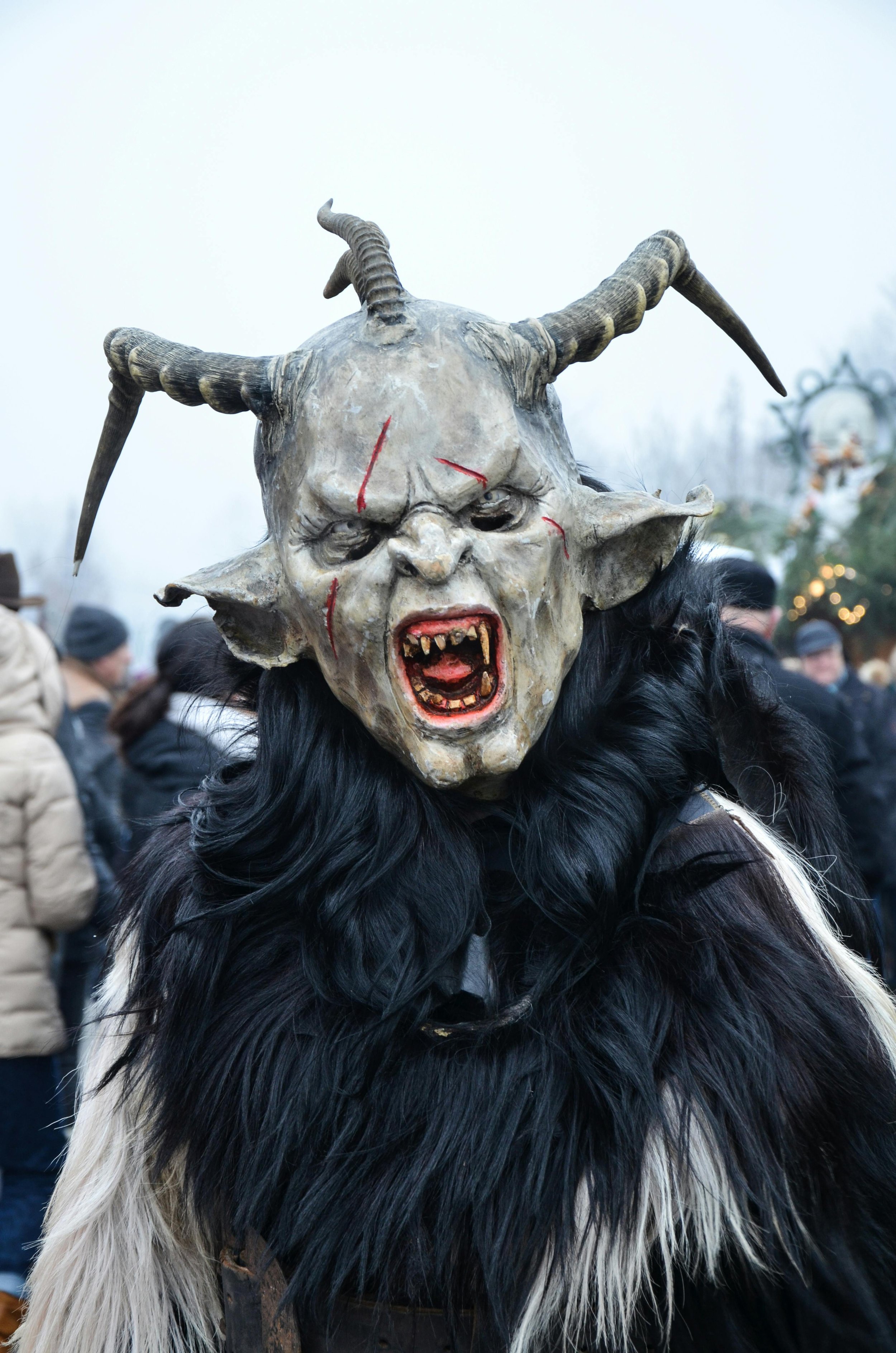
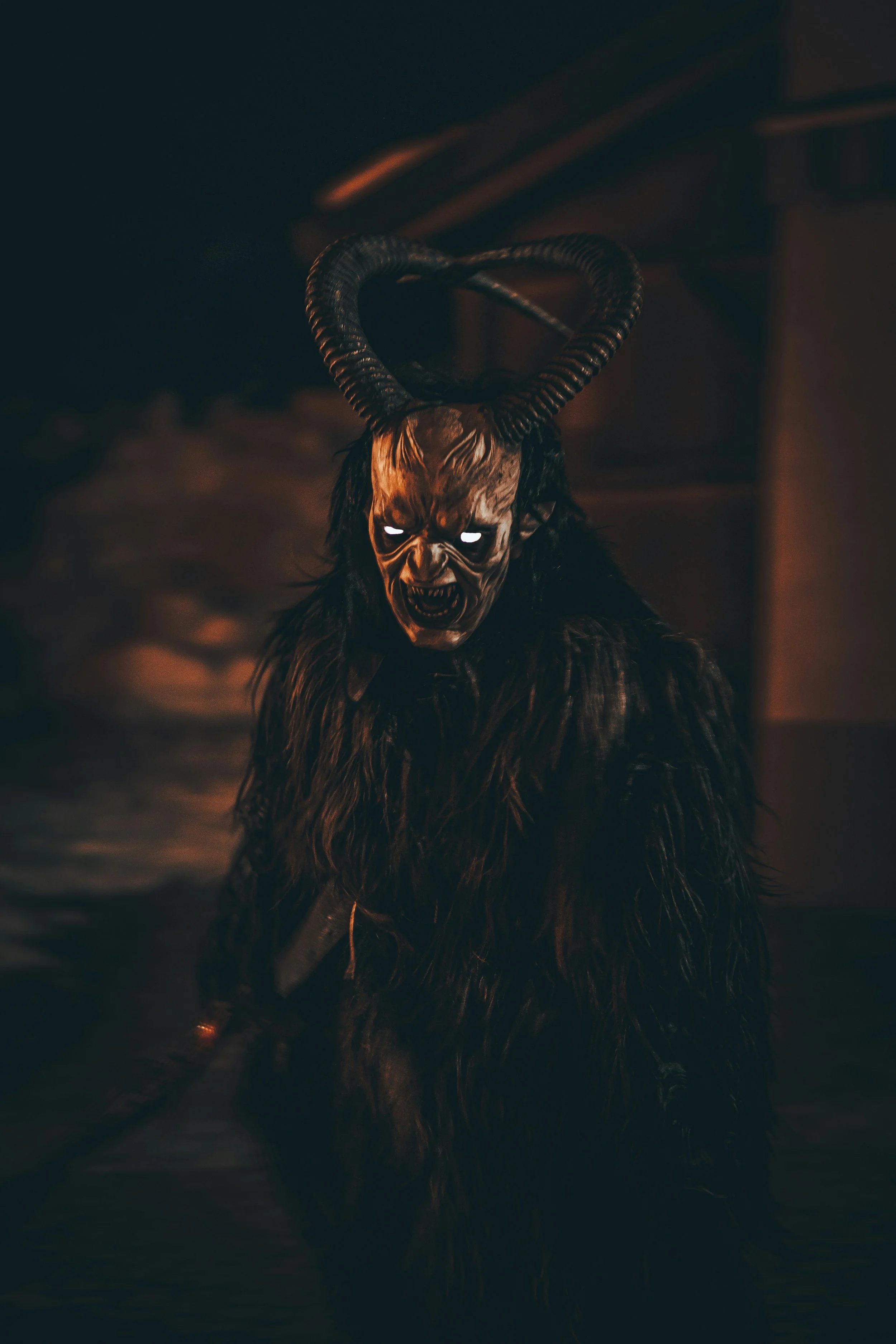
San Nicolò and the Krampus represent a world where Christian tradition and ancient folklore intertwine, forming a fascinating balance between light and shadow.
It is a celebration that awakens memories and emotions passed down through generations. If you visit the Dolomites between November and December, do not miss this experience! You will feel part of a story that still lives vibrantly today.
If this fascinating tradition has captured your curiosity and you are thinking about planning a trip to Italy during San Nicolò or Krampus season, I would be delighted to help you.
For more information about local events, itineraries, or travel planning support, you can write to me at dolceitalyescape@gmail.com.
It will be a pleasure to guide you through these magical winter atmospheres filled with folklore, lights, and ancient Alpine traditions.
