Celebrating Christmas in Italy
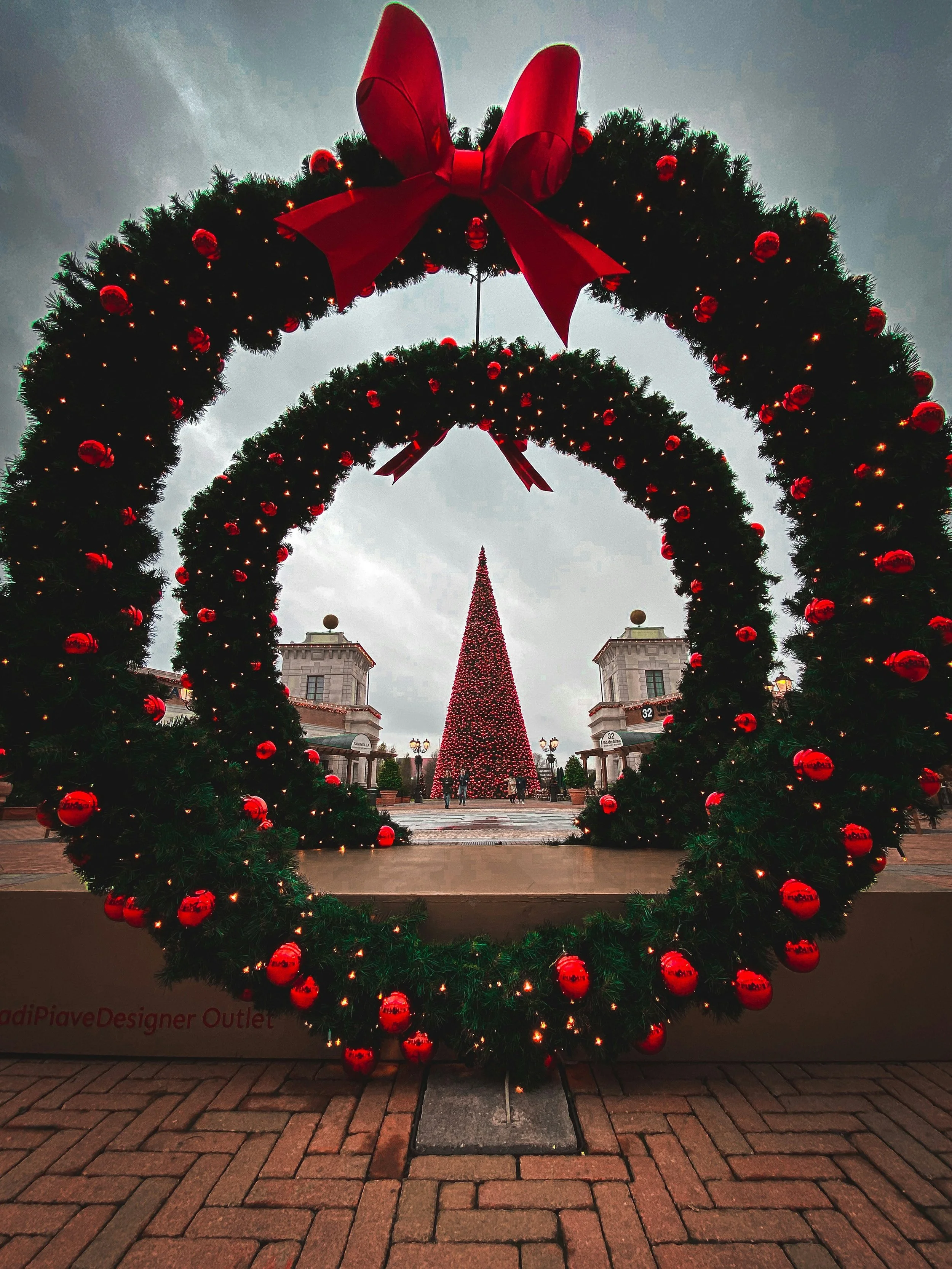
The Christmas season is always a magical time everywhere in the world. Each country keeps its own customs and traditions, but in Italy, Christmas is particularly meaningful thanks to its deep Christian roots, which give this time of year strong symbolic value. Religious celebrations, church ceremonies, and the importance of family make these winter weeks a special time dedicated to reconnection, love, and sharing.
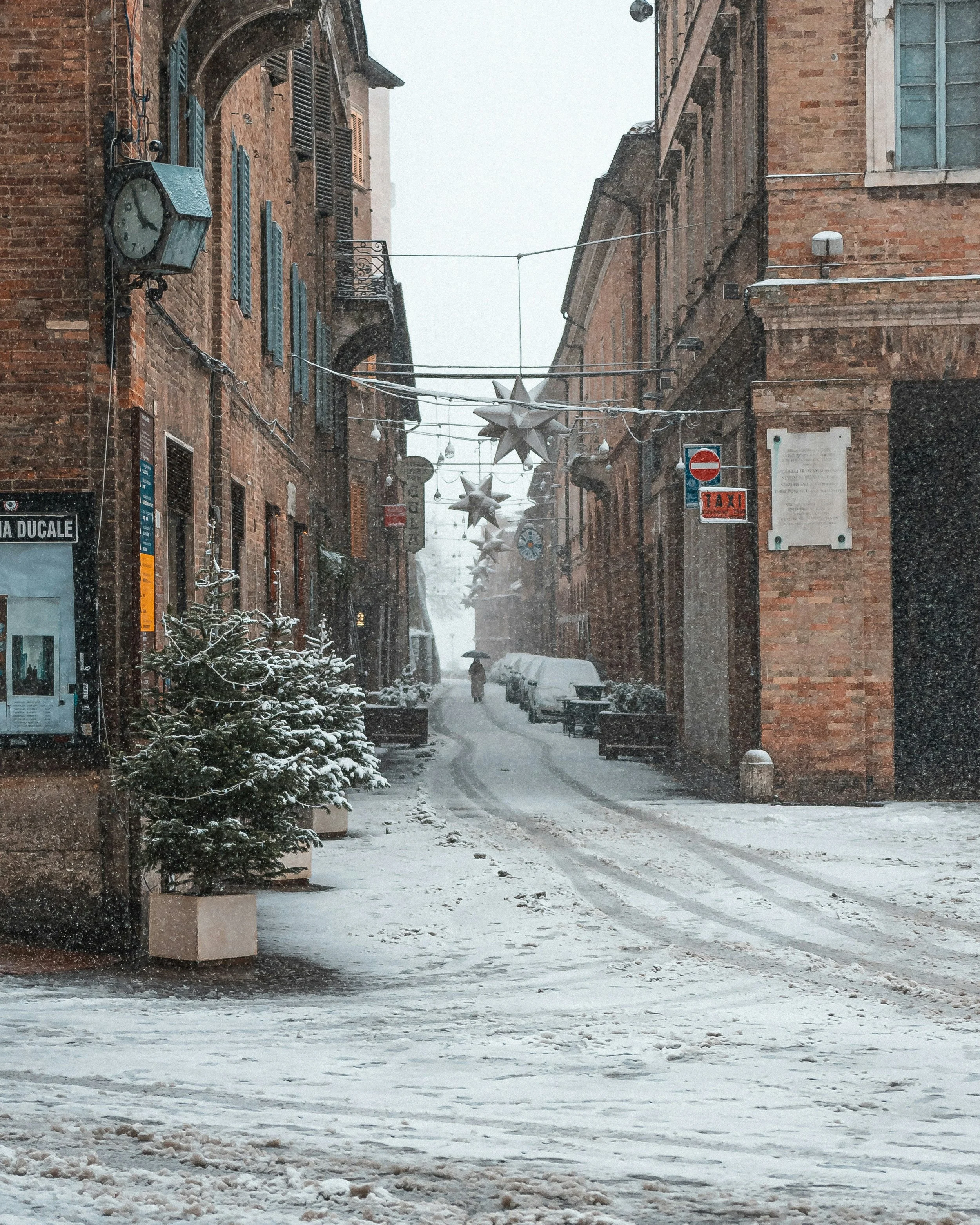
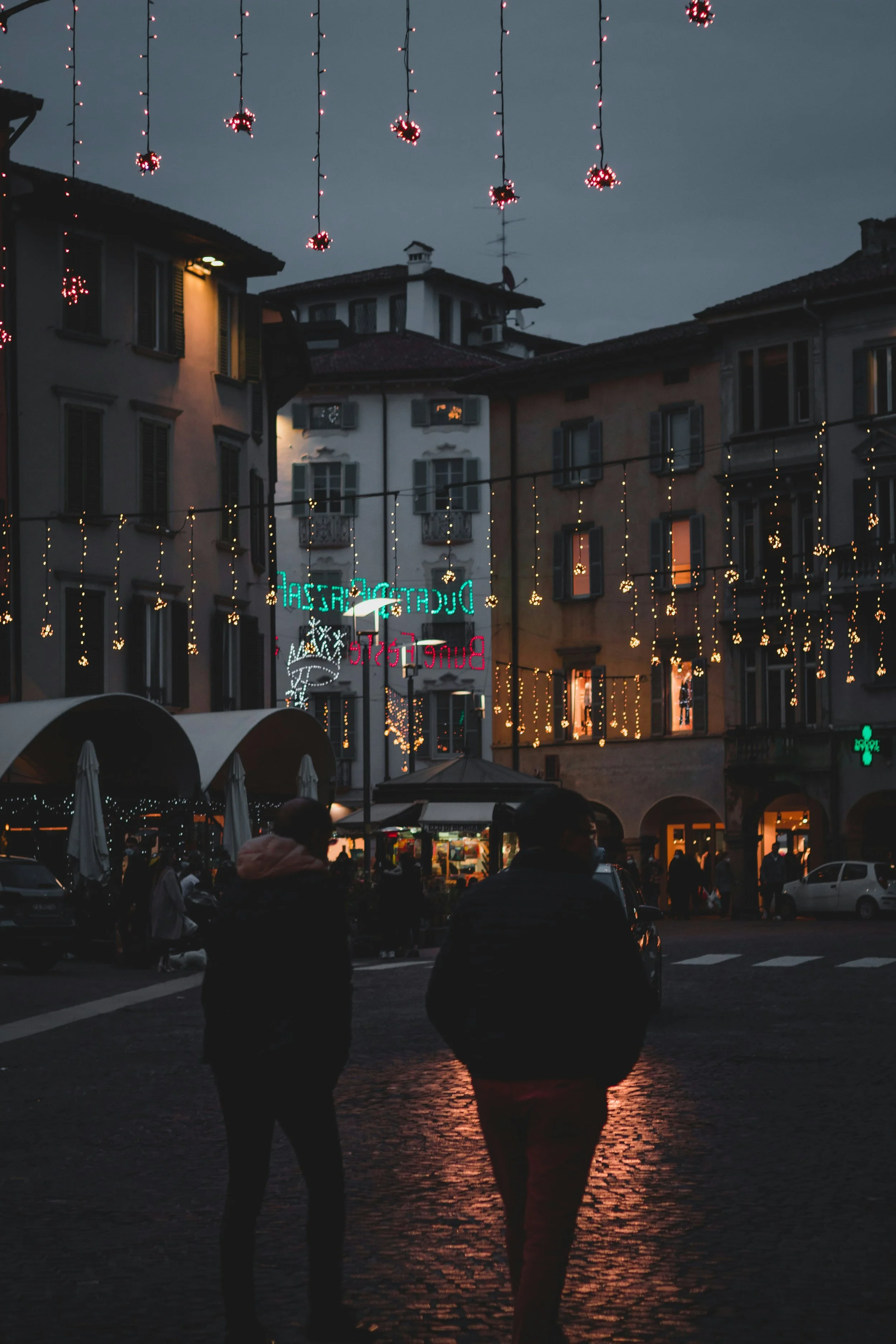
In Italy, Christmas is above all about gathering: whether with family or close friends, it is a period to slow down, spend time together, and rediscover the joy of simple things. From mountain villages to large cities, the atmosphere fills with lights, Nativity scenes, markets, the scent of spices, and often snow blanketing rooftops, making everything even more enchanting.
Personally, Christmas has always been a celebration very close to my heart. Growing up in a large family, I experienced it as a time of connection and warmth: December 25th and St. Stephen’s Day were two distinct moments, both dedicated to gathering around a long table, exchanging gifts, and enjoying precious quality time together. I fondly remember those days filled with conversation, laughter, and traditions that I still carry in my heart.
Events & Traditions
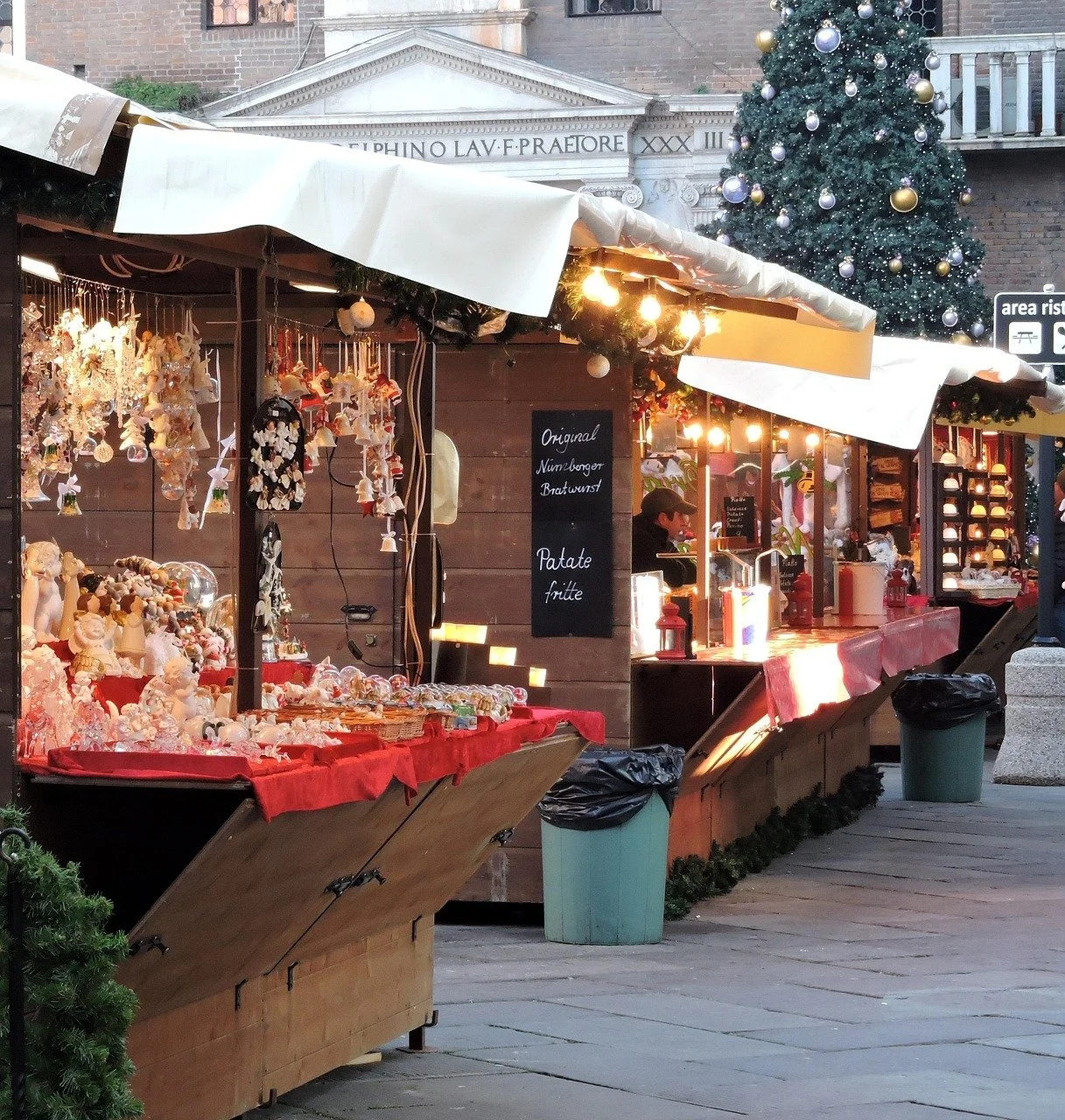
Christmas Markets
Starting from late November and early December, many cities and towns in Northern Italy begin to embrace the Christmas spirit thanks to their charming Christmas markets—especially in the Dolomites, Trentino-Alto Adige, and Veneto. Here, you’ll find artisanal products, typical sweets, lights, decorations, and small gifts.
(If you want to learn more, we’ve already published an article dedicated to Christmas markets.)
St. Nicholas & St. Lucy
At the beginning of December, two traditional figures associated with children are celebrated: St. Nicholas and St. Lucy.
St. Nicholas – A bishop known for his generosity toward children and those most in need, mainly celebrated in northeastern Italy. On the night of December 5th to 6th, children leave out a small plate for him and his donkey, hoping to find sweets and small gifts the next morning.
(Reminder: we’ve already written an article about St. Nicholas and the Krampus.)
St. Lucy – Celebrated during the night between December 12th and 13th, especially in Lombardy and parts of Veneto, she brings gifts to children who have behaved well during the year. According to legend, she arrives on her donkey, spreading joy and magic among the little ones.
These traditions have religious origins but also carry a sense of anticipation and wonder: children write letters, prepare small gifts, and feel the excitement of what they might find when they wake up.
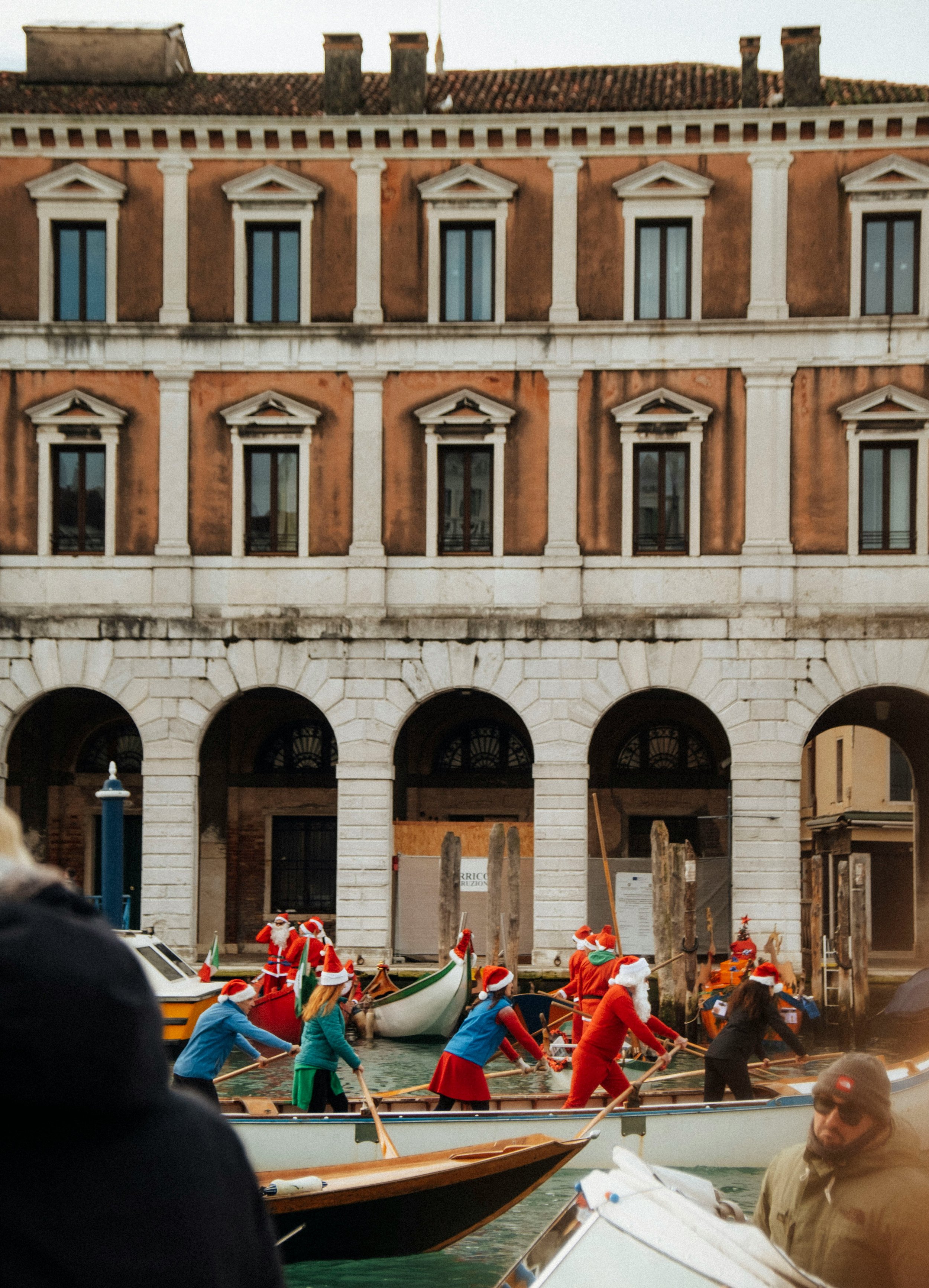
In addition to St. Nicholas and St. Lucy, Santa Claus is also celebrated in Italy—the most international figure of the Christmas season. In many towns and cities, post boxes are set up where children can send Santa their letters, listing the gifts they wish to receive. Santa Claus does not replace the older Italian traditions but joins them, creating an even richer sense of magic and anticipation for children.
Advent Calendar
Also in early December, the Advent Calendar comes to life: a joyful symbol of the countdown to Christmas Day. It is a much-loved tradition among children, who open a small window each day to find chocolates, small gifts, or surprises that make the wait for Christmas even more special.
Personally, I remember Advent calendars as simple chocolate-filled ones: opening a little door each day brought a small thrill—a daily joy leading up to the big day. Today, Advent calendars have become more creative and varied, including toys, decorations, teas, or cosmetics, but the spirit remains the same: guiding children—and adults—toward Christmas.
December 8th: The Immaculate Conception & the Beginning of Christmas
On December 8th, Italy celebrates the Immaculate Conception, a national holiday that officially marks the beginning of the Christmas season. On this day, Italian families traditionally decorate their homes with the Christmas tree and Nativity scene, creating a festive atmosphere that lasts all month long.
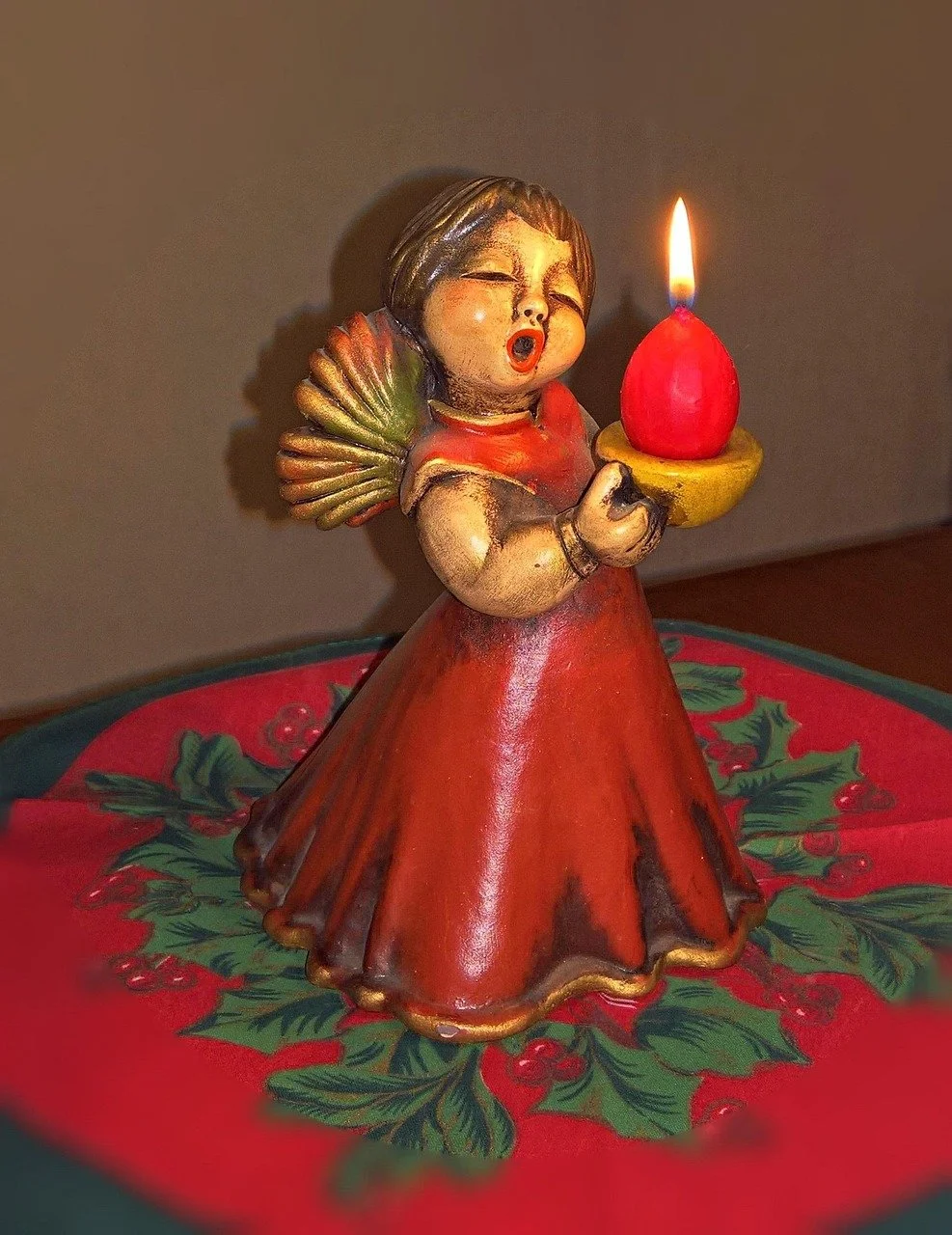
The Nativity Scene is one of Italy’s most important Christmas symbols, depicting the Holy Family, shepherds, animals, and sometimes entire miniature villages. Its origins date back to 1223, when St. Francis of Assisi created the first living Nativity in Greccio. Today, Nativity scenes may be simple home displays, artistic creations, cork-and-moss villages, or living reenactments in small towns. Traditionally, Baby Jesus is placed in the manger only on the night of December 24th.
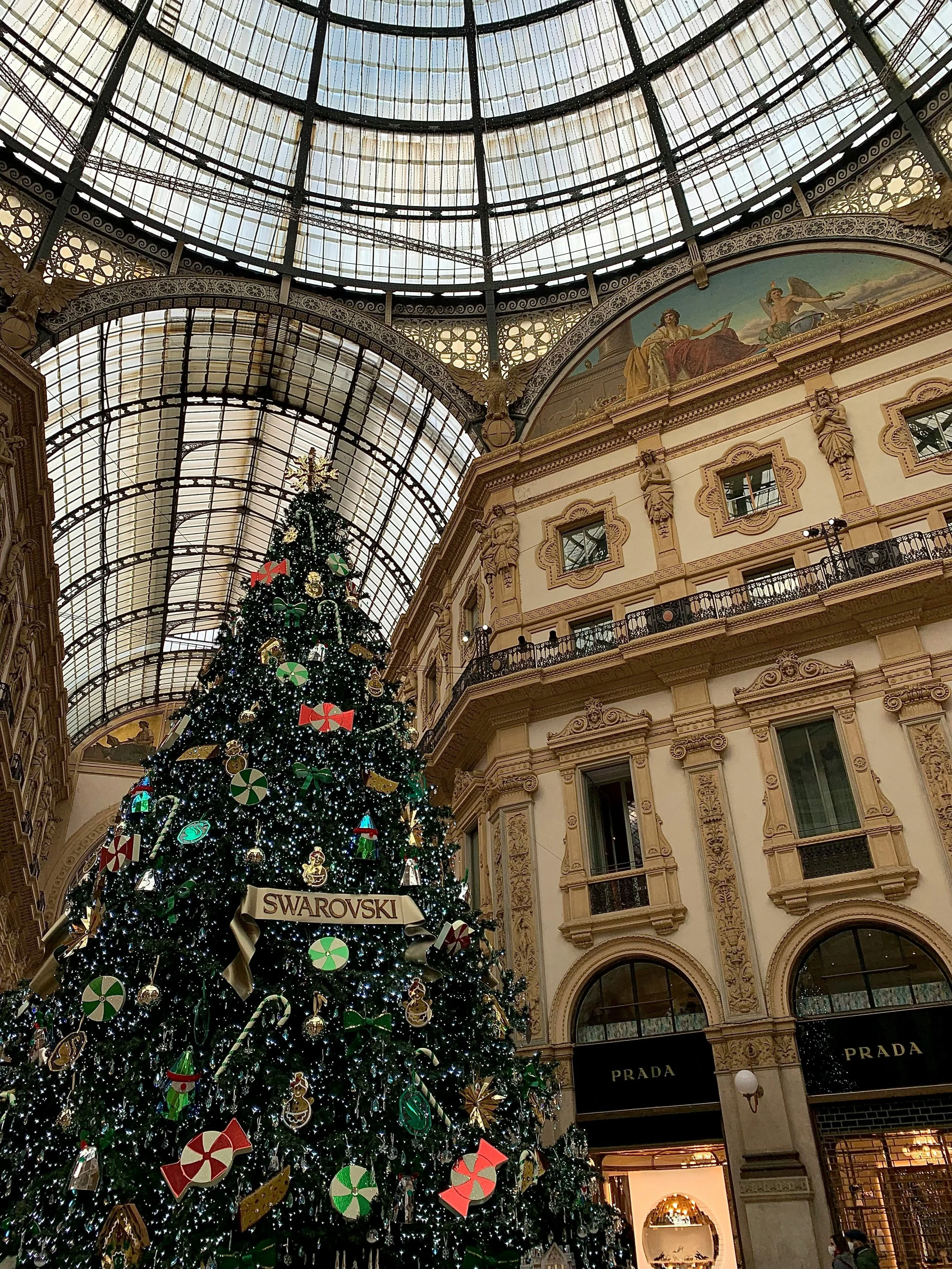
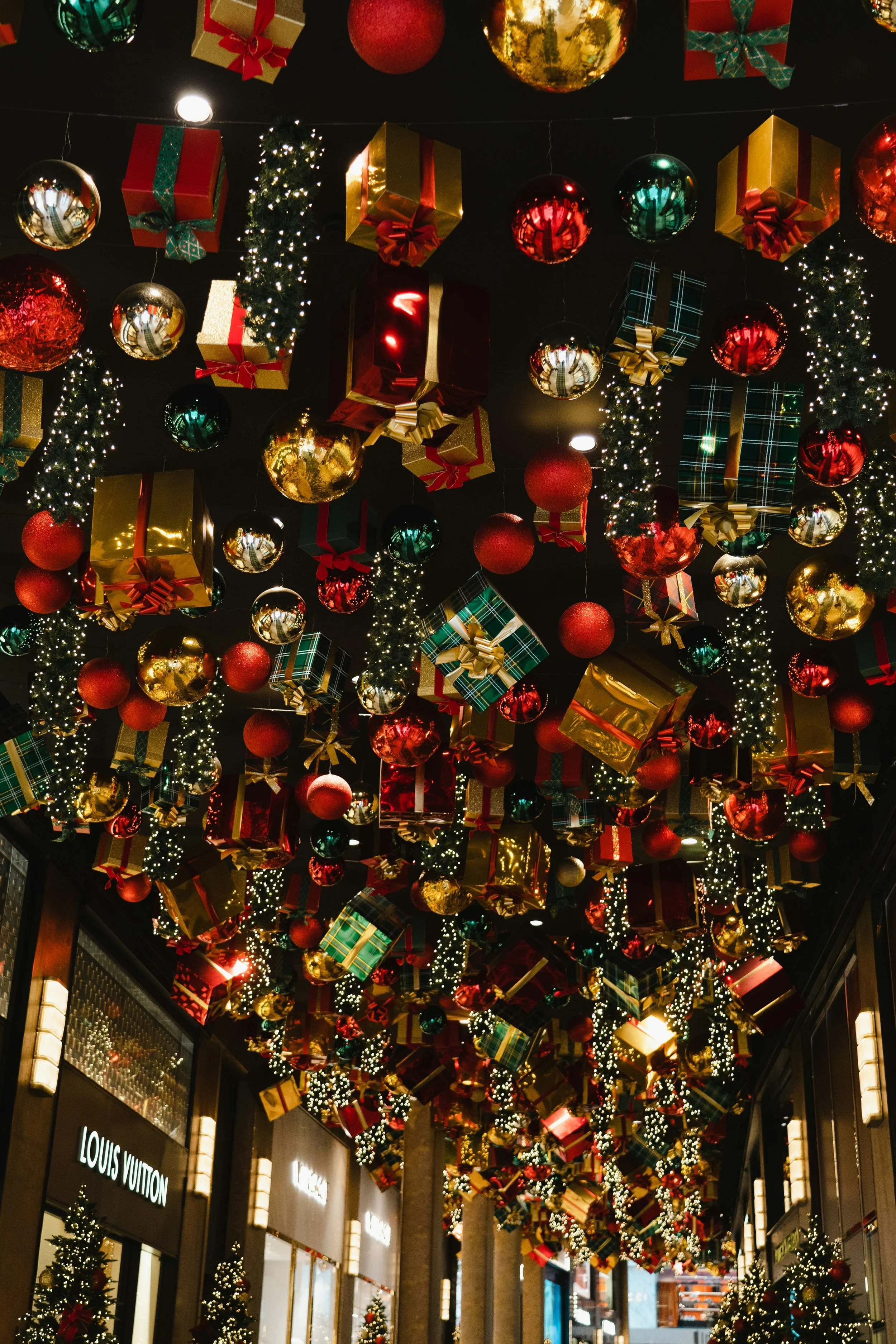
The Christmas Tree, although of more Northern European origin, has also become a key element of Italian tradition. Every family decorates it in their own style: elegant ornaments, handmade decorations, heirlooms passed down through generations, or souvenirs from travels. Lighting the tree and placing the star on top are beloved family rituals that bring warmth and joy into the home.

How Christmas Is Celebrated in Italy
In Italy, Christmas Eve (December 24th) is less central than in other countries. In the evening, many families attend Midnight Mass, a moment of reflection that officially opens the festivities. After mass, some communities enjoy small gatherings with hot chocolate, mulled wine, or sweets, an opportunity to share a warm moment before returning home.
December 25th—Christmas Day—is the heart of the celebration. Every family has its own traditions and typical dishes, which vary widely by region. Some gather for lunch, others for dinner, but what unites everyone is the desire to be together, enjoy the day, and share joyful moments with relatives and friends, even those they rarely see during the year.
Italian holiday tables are always abundant and rich in traditional dishes:
Northern Italy: lasagna, roasts, boiled meats, cured meats, and cheeses
Southern Italy: fish and seafood dishes, along with local specialties
Christmas sweets are the stars of the season: panettone and pandoro, available in countless flavors and sizes, often served with dried fruit, candied fruit, chocolate, or local desserts. These dishes make every Christmas meal special, celebrating tradition and family joy.
Christmas in Italy is a magical time filled with traditions, lights, flavors, and family moments.
If you’d like to experience the enchantment of an Italian Christmas, exploring villages, markets, Nativity scenes, and winter activities, you can sign up for Dolce Italy Escape by emailing dolceitalyescape@gmail.com to receive more information and book your personalized consultation.
