Carnival in Italy: traditions and the most famous celebrations
For me, Carnival has always been a time of pure festivity and joy. Ever since I was a child, it was one of the most anticipated periods of the year: large cities, but also small towns, organized parades, floats, and family-friendly parties and not just for families. It was an occasion when everyone, young and old, could dress up, have fun, and enjoy a few days away from the routine.
I remember dressing up as a fairy, a princess, or some little animal. I played with my friends, eating fritters, throwing streamers and confetti, laughing and playing little pranks. It was a simple, authentic Carnival, full of colors, scents, and shared moments.
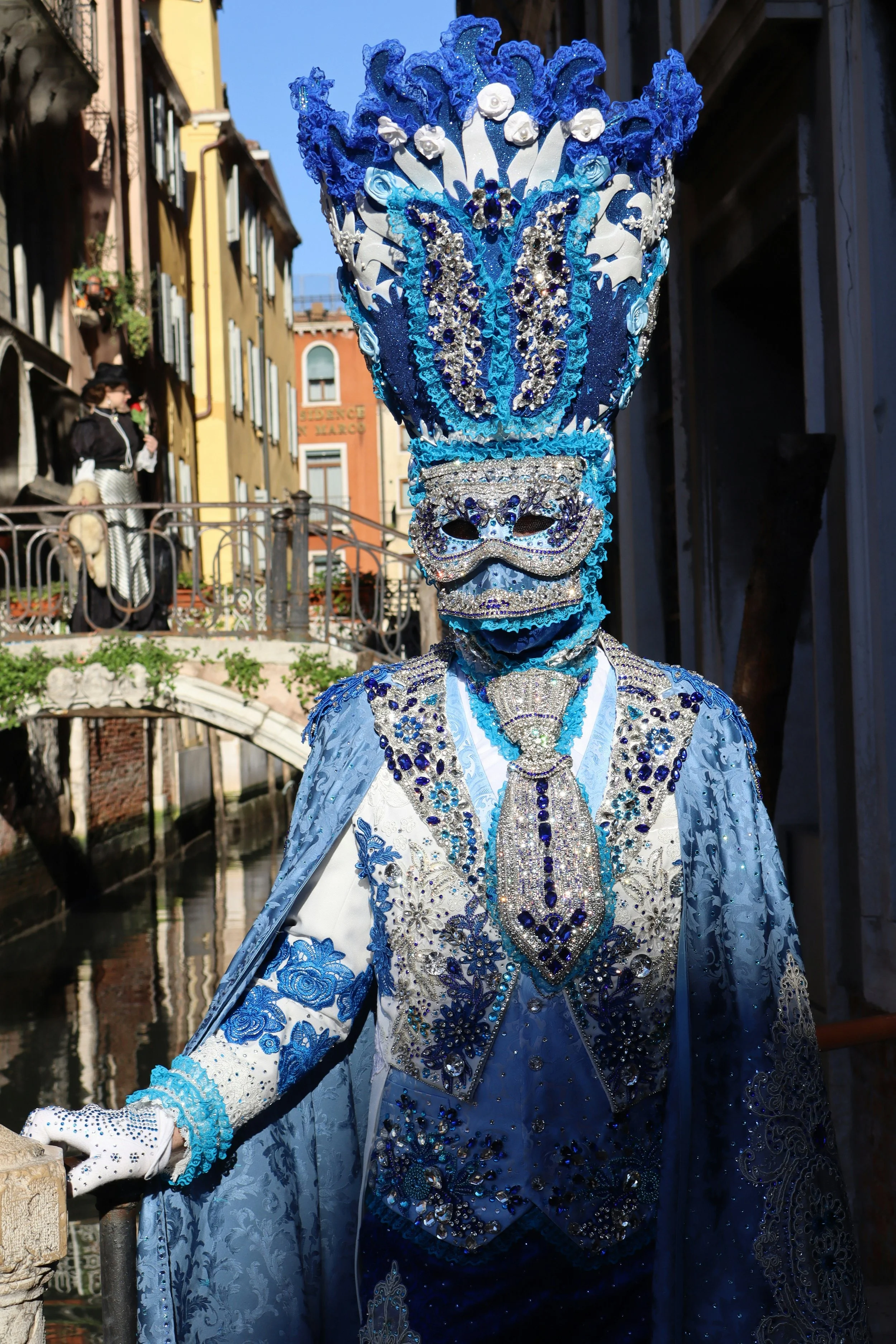
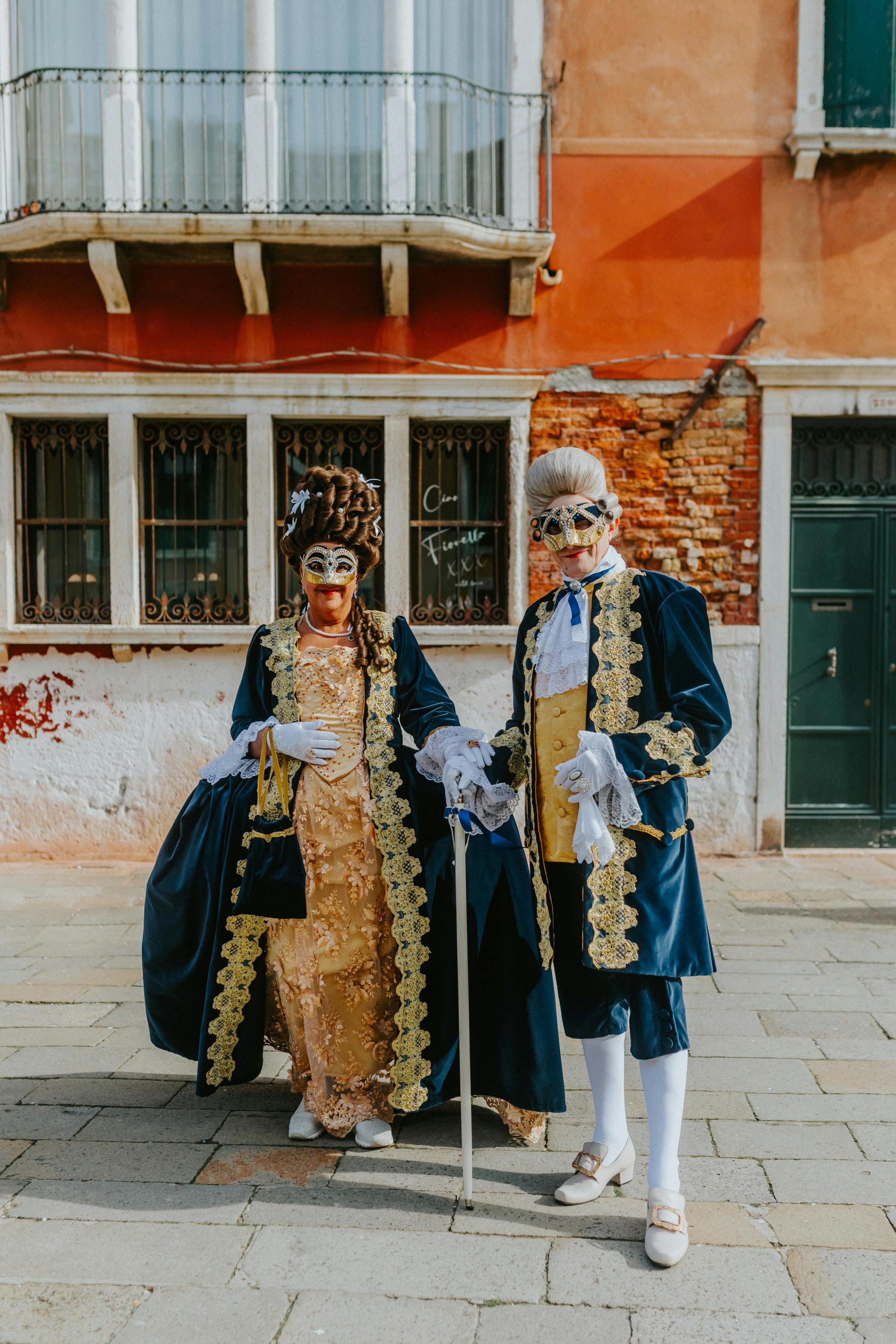
I also remember experiencing Carnival in Venice, where everything takes on a different dimension. The costumes seemed luxurious and special, inspired by the Baroque style, with their own unique charm. In Venice, you enter a more historical, elegant, and captivating Carnival, where you can truly feel the importance and grandeur of this centuries-old tradition.
What Carnival Is and When It’s Celebrated in Italy
The word “Carnival” comes from the Latin carnem levare, meaning “to remove meat.” Traditionally, Carnival marks the last period of festivity and abundance before Lent the 40 days of fasting and reflection that precede Easter in the Christian calendar.
In Italy, Carnival is often associated with the concept of the “death of fat,” symbolizing the end of rich foods and wild celebrations before a more sober period.
Carnival doesn’t have fixed dates, as it depends on the date of Easter. It is generally celebrated between late January and February, reaching its peak in the days leading up to Fat Tuesday (Martedì Grasso). The celebrations traditionally end on that day, before Ash Wednesday.
In 2026, Carnival will begin on February 6 and reach its climax on February 9, traditionally ending on that day before Ash Wednesday.
Traditions and the Atmosphere of Carnival
Carnival is a time for transformation and freedom of expression. Masks and costumes allow people to step out of everyday life and assume new identities, even if only for a few hours.
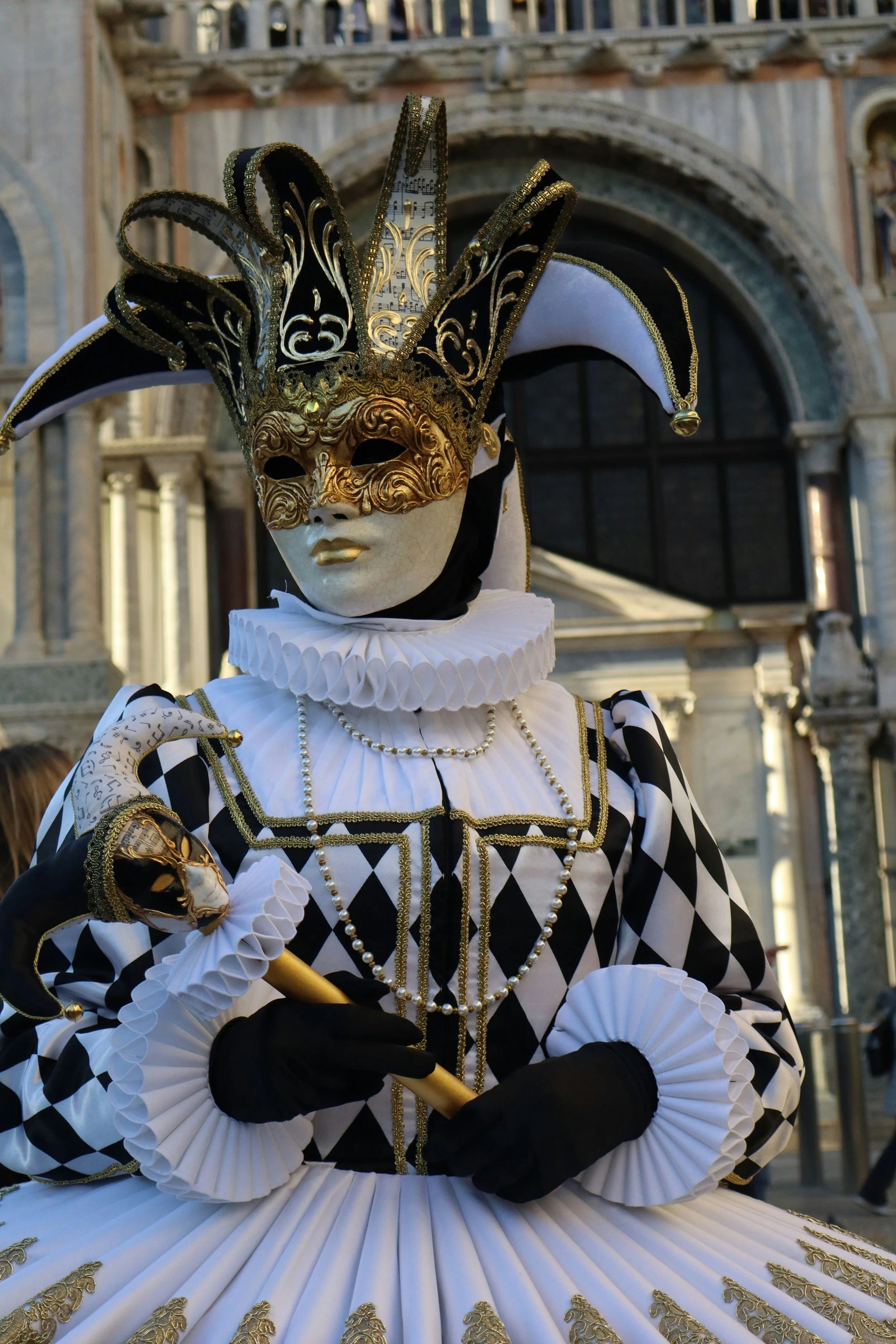
Over the years, however, the way people experience Carnival and the costumes they wear have changed. I remember that, as a child, costumes were mostly simple and playful: princesses, fairies, superheroes, cowboys, thieves and policemen, animals, or traditional masks like Harlequin. Costumes were designed primarily for children, for fun and carefree moments together.
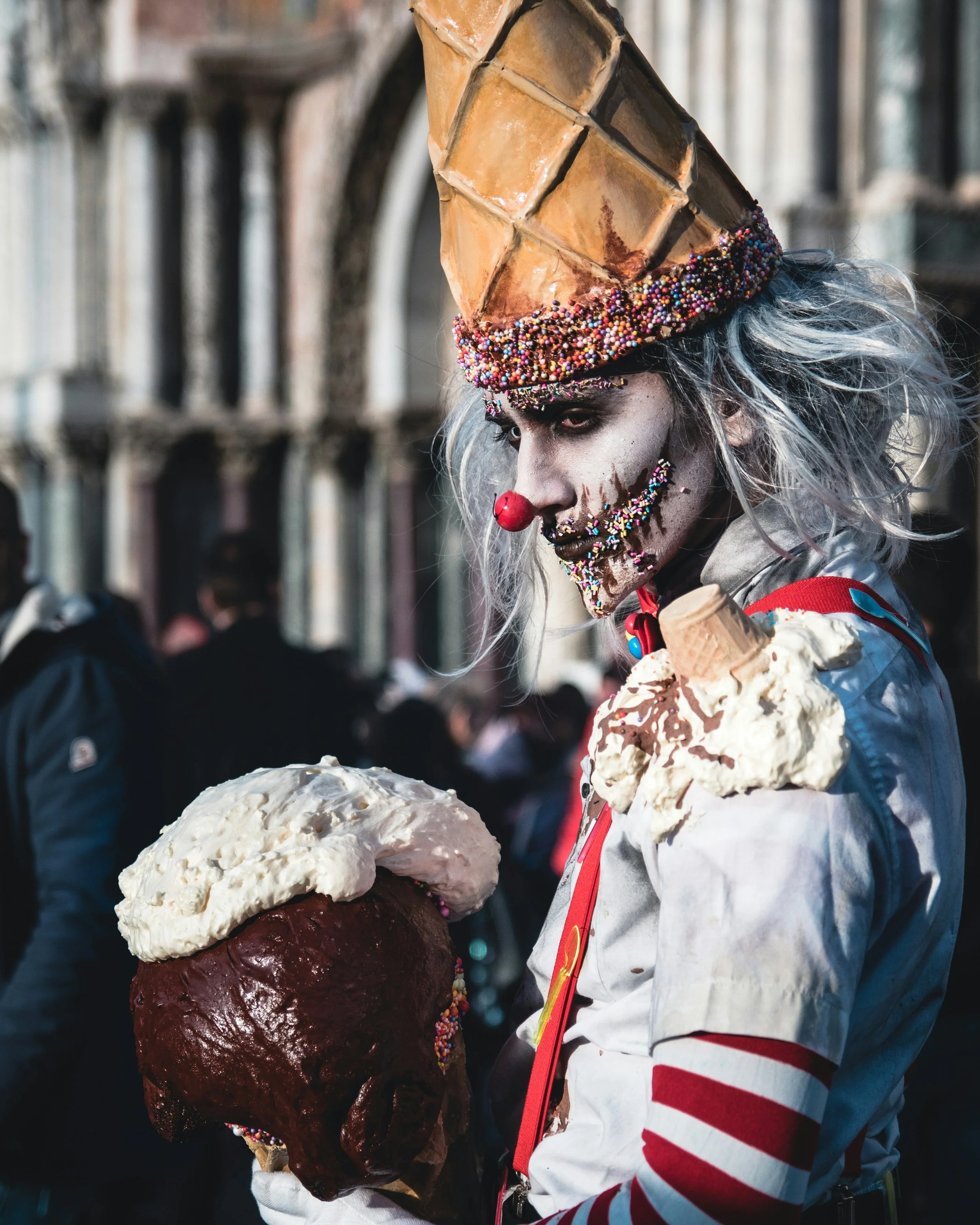
Today, there is greater variety and evolution in costume styles. Influenced by Halloween and international pop culture, darker or scarier costumes, monsters or creepy characters are increasingly common, as well as outfits inspired by famous personalities, movies, TV series, or current icons.
Despite these changes, the spirit of Carnival remains the same: a time of year when rules are relaxed, creativity takes over, and everyone can freely express themselves through music, colors, parades, and public celebrations.
Floats and Street Festivals
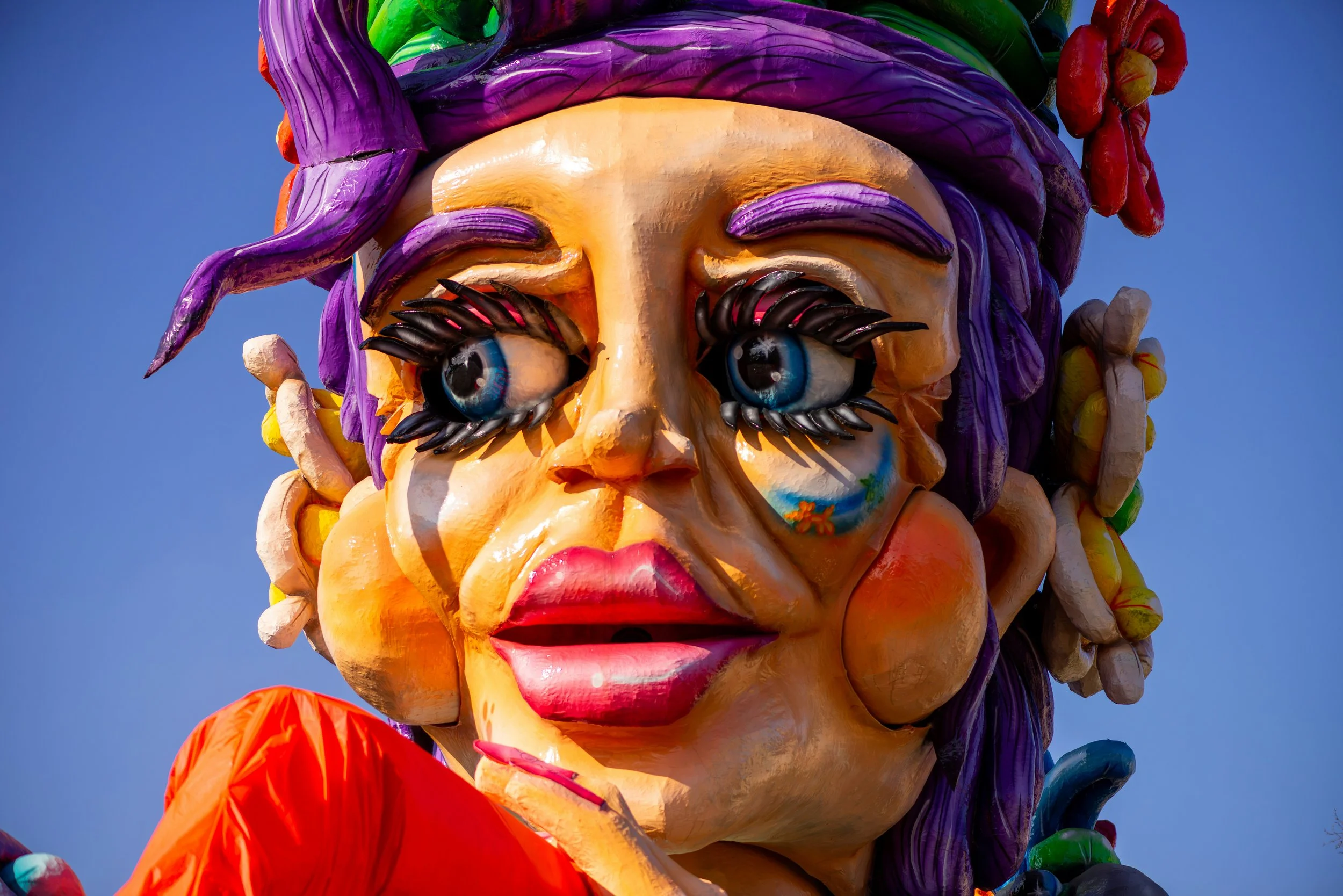
One of the most characteristic elements of Carnival, especially in towns and cities across Italy, is the parade of floats. While in Venice Carnival is more focused on masks and historical events (rather than floats), in most other Italian towns, floats are at the heart of the festivities.
Floats are large, often papier-mâché structures that parade through the streets accompanied by music and costumed performers. They can depict fantastic characters, satirical scenes, current events, or local traditions. Many are the result of months of craftsmanship and involve entire communities.
Alongside the parades, Carnival is often accompanied by rides and attractions, creating a true fairground atmosphere. Ferris wheels, bumper cars, games, and stalls turn the town squares into gathering places for families, children, and groups of friends.
Carnival Masks: From Venice to Pulcinella
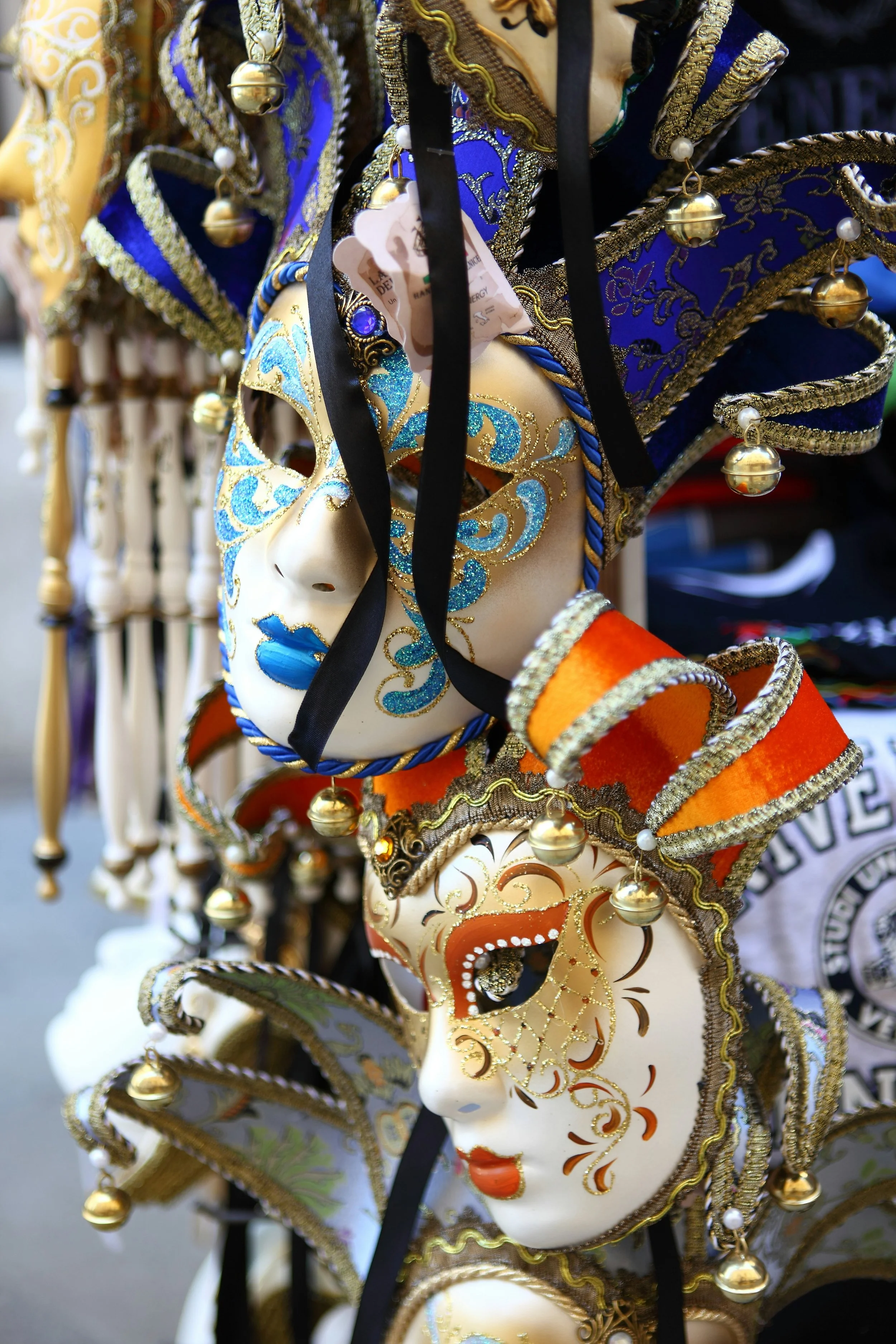
Masks are a fundamental symbol of Italian Carnival. Each region has developed iconic characters, often linked to the Commedia dell’Arte.
In Venice, elegant and mysterious masks dominate, such as the Bauta, Colombina, and Moretta, created to conceal identity and erase social differences. The Bauta consists of a white angular mask, a black cloak (tabarro), and a tricorne hat; it allowed the wearer to talk, eat, and move freely while remaining anonymous. Colombina is a half-mask, often richly decorated, leaving the mouth uncovered and symbolizing grace and femininity. The Moretta, rarer and fascinating, is an oval black velvet mask, traditionally without straps, adding an extra layer of mystery to the wearer.
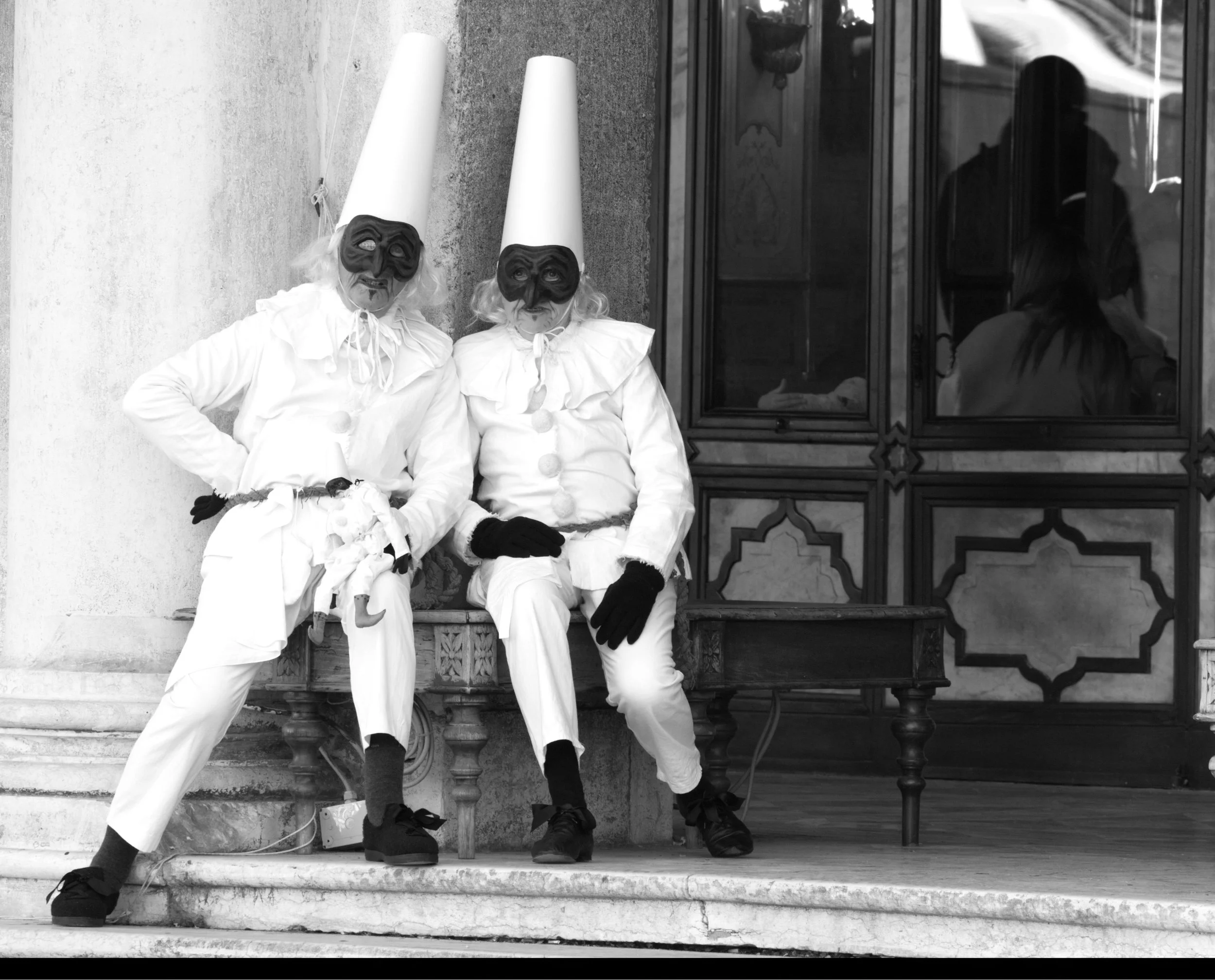
Alongside these, one of the most famous figures of Italian Carnival is Pulcinella, the symbol of Naples and southern Italy. Born in the 17th century from Commedia dell’Arte, Pulcinella is recognizable by his white outfit, black mask, and pointed hat. He represents the popular spirit: clever, ironic, able to mock the powerful and face life’s challenges with wit and sarcasm. Pulcinella perfectly embodies the spirit of Carnival: the freedom to say what normally cannot be said and the subversion of social rules.
Typical Carnival Sweets
Some of the most popular sweets include:
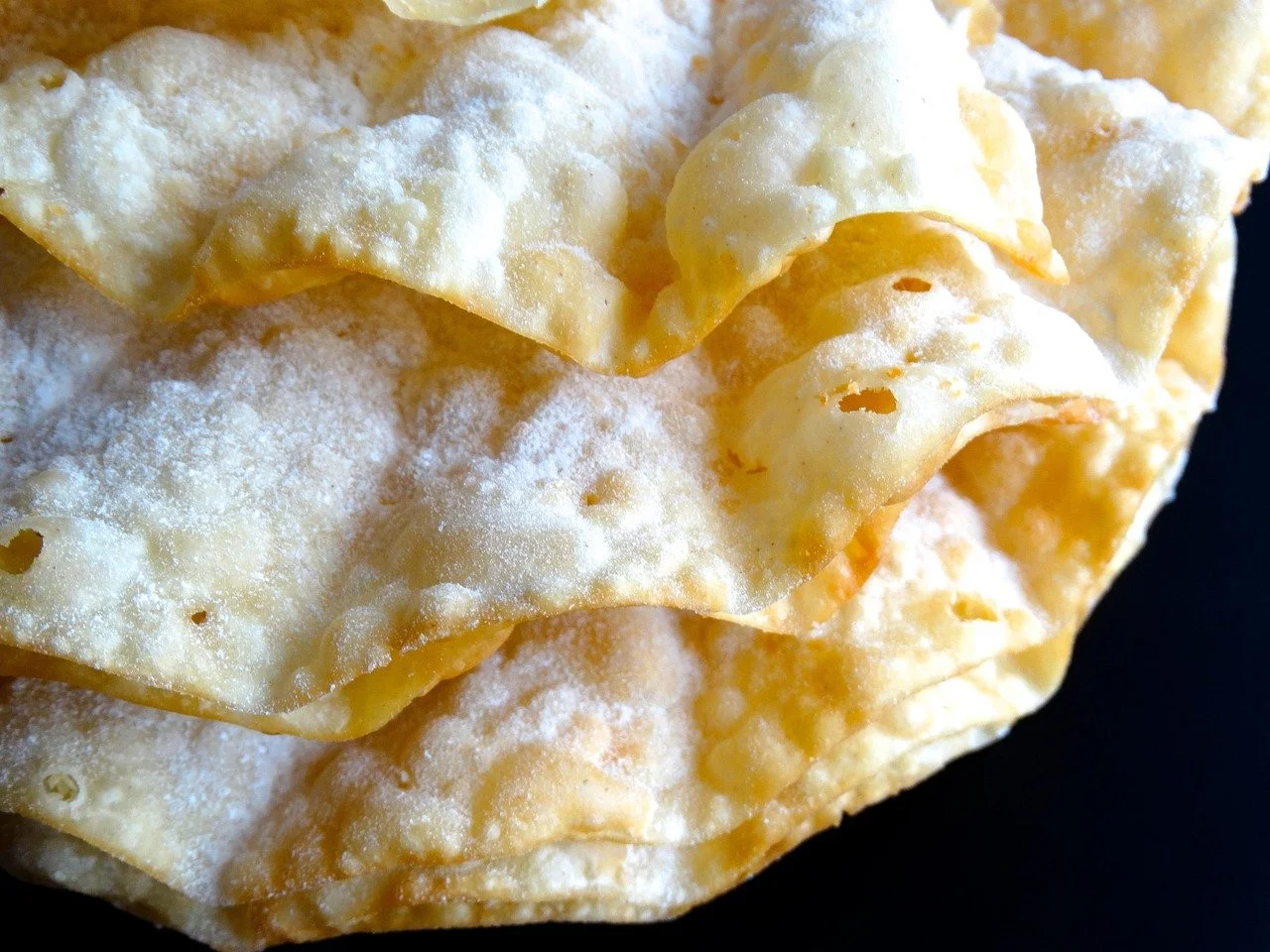
Chiacchiere (also called frappe, bugie, or crostoli depending on the region): thin fried pastries, crispy and dusted with powdered sugar.
Castagnole: small fried dough balls, often filled with cream, chocolate, or ricotta.
Frittelle: very popular in Venice, soft fried pastries, sometimes enriched with raisins or filled with cream or zabaglione.
Tortelli di Carnevale: fried pastries filled with jam or cream, typical especially of central Italian regions, prepared in many local variations.
The Most Famous Carnivals in Italy
Venice Carnival
Venice Carnival is undoubtedly the most famous and iconic in Italy, and one of the best known worldwide. Its origins date back to the Middle Ages and it is celebrated for the elegance of its masks and costumes, as well as its timeless atmosphere.
Traditional masks like the Bauta, Colombina, and Moretta completely conceal the wearer’s identity. During Carnival, Venice transforms into an open-air stage, with masked balls, historical reenactments, and exclusive events in historic palaces.
Nearest airport: Venice Marco Polo Airport (VCE)
Viareggio Carnival (Tuscany)
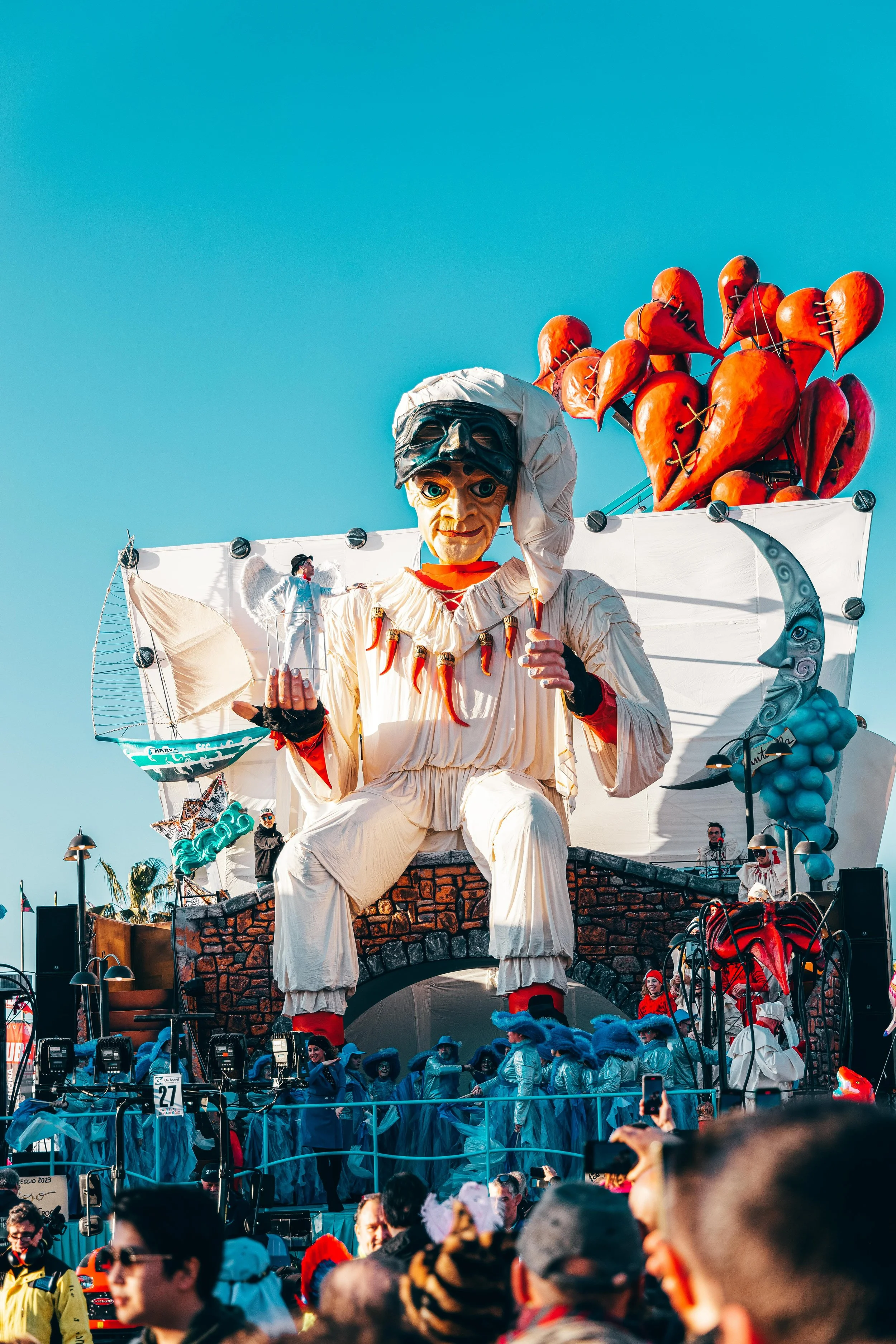
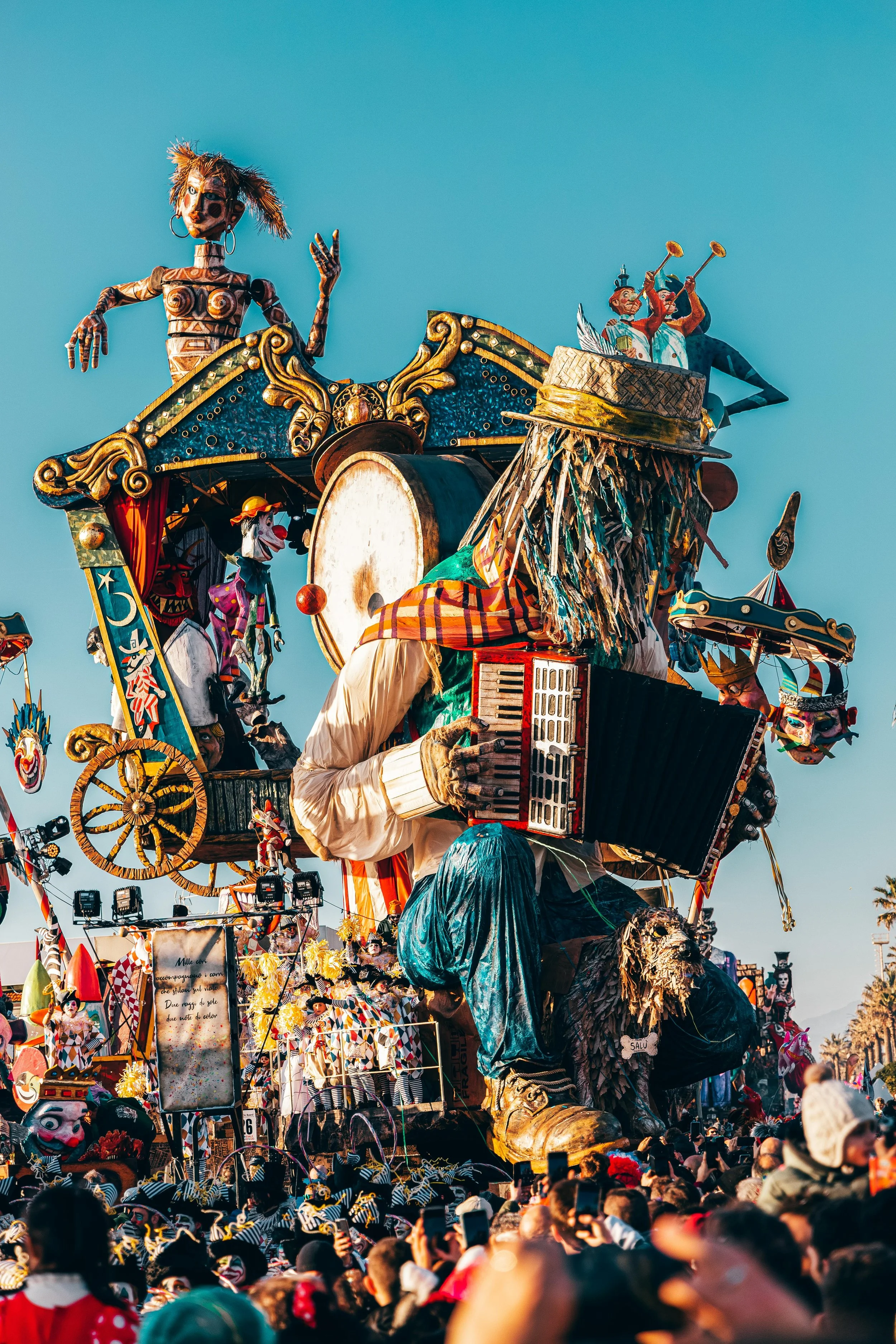
Viareggio Carnival is famous for its massive papier-mâché floats, true masterpieces of engineering and craftsmanship. Dating back to the late 19th century, the floats are often highly satirical, addressing political, social, and current themes.
Parades take place along the seafront, accompanied by music, choreography, and masks. Viareggio is one of the best examples of how Italian Carnival combines spectacle, creativity, and social critique.
Nearest airports: Pisa (PSA) and Florence (FLR)
Ivrea Carnival (Piedmont)
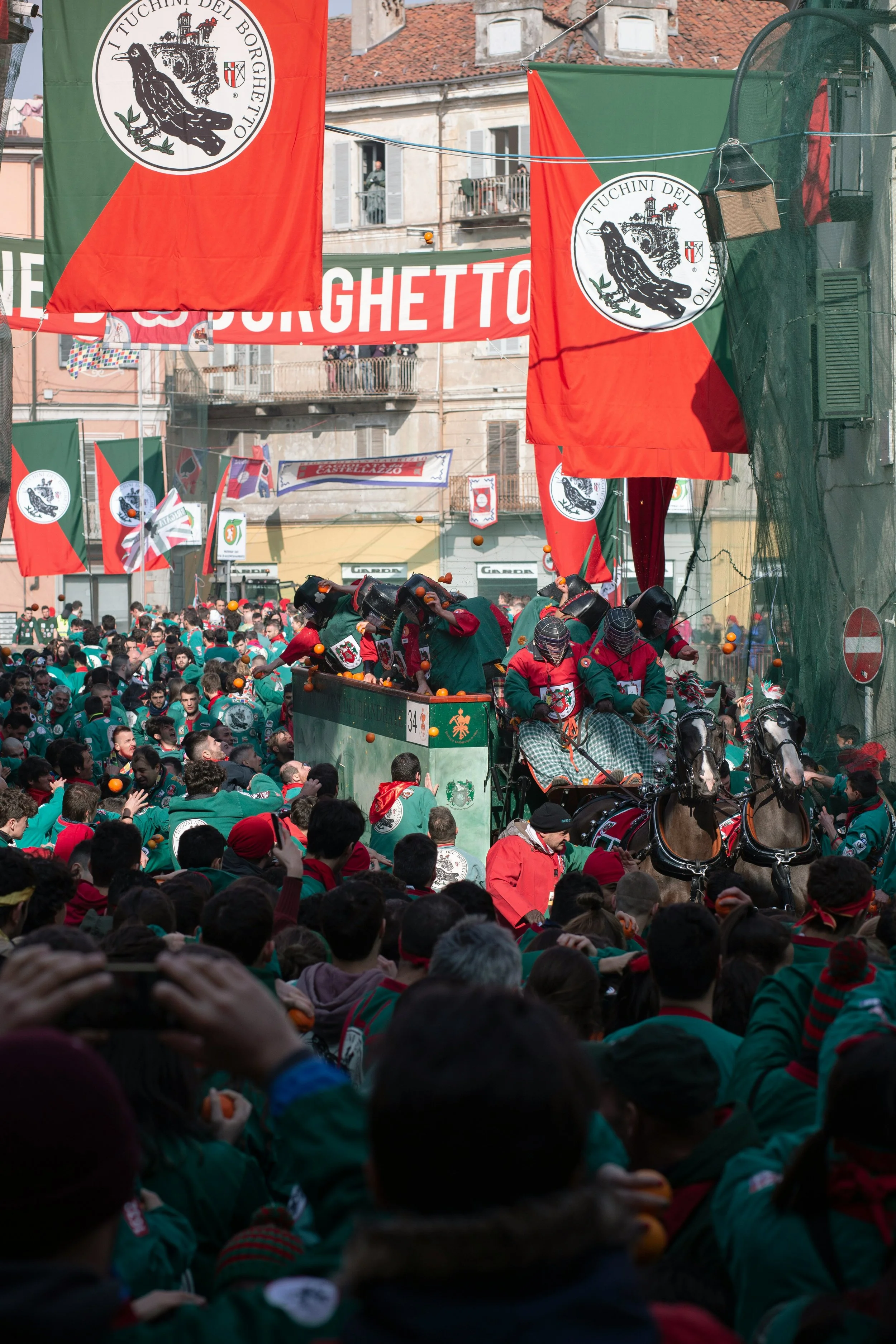
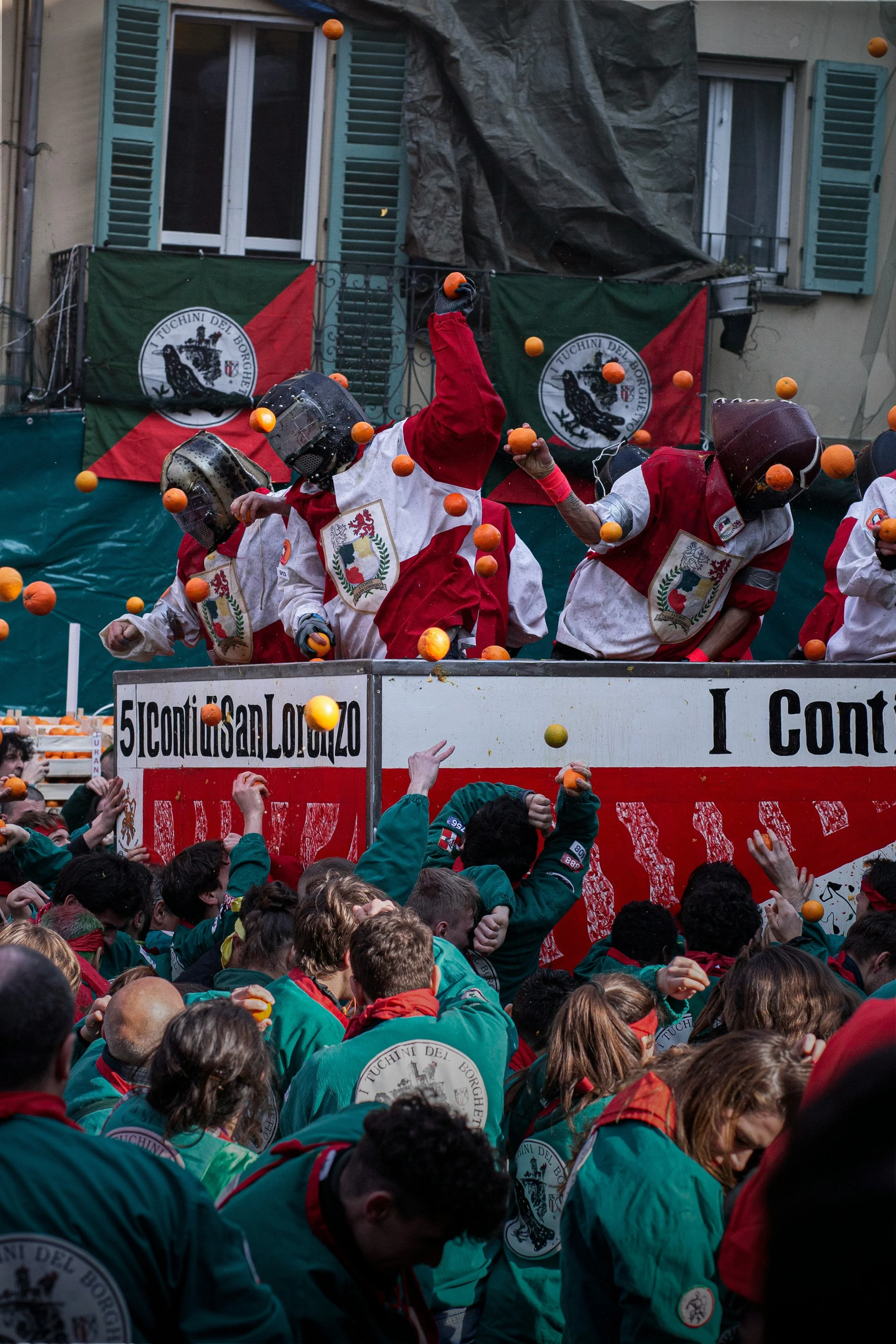
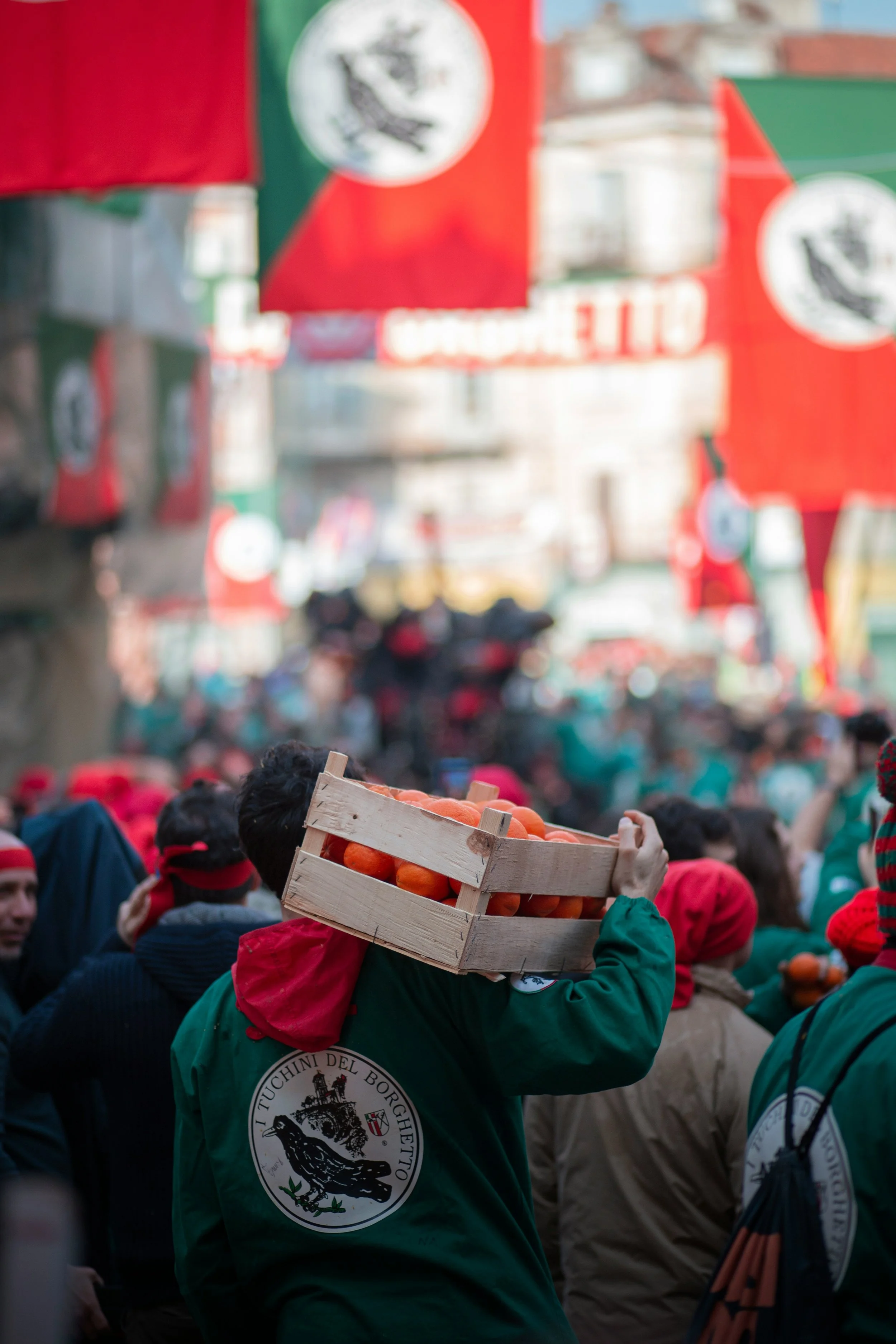
Ivrea hosts one of Italy’s most unique and historic Carnivals, famous for the Battle of the Oranges. This tradition recalls a medieval revolt against a tyrant and is connected to the legendary figure of the Mugnaia, symbolizing freedom and rebellion.
During Carnival days, the city is divided into organized teams: the orange throwers on foot represent the revolting people, while those on floats symbolize the tyrant’s guards. Despite the apparent chaos, the event follows precise rules and is deeply rooted in the city’s historical identity.
Nearest airports: Turin (TRN) and Milan Malpensa (MXP)
Putignano Carnival (Apulia)
Considered one of the oldest Carnivals in Europe, Putignano’s dates back to the 14th century and lasts particularly long, starting already in the winter months. It is known for its satirical floats and popular traditions that involve the entire community.
A distinctive feature is the Farinella, the official mask of the Carnival, symbolizing the city’s humorous and festive spirit. Putignano represents one of the most authentic expressions of Southern Italian Carnival, where folklore, music, and popular participation take center stage.
Nearest airports: Bari (BRI) and Brindisi (BDS)
Why Experience Carnival in Italy
Experiencing Carnival in Italy means connecting with centuries-old traditions that are still very much part of local communities’ lives. From the most elegant celebrations to the most popular and authentic, Carnival offers a unique and immersive cultural experience.
This time of year is truly special: typically Italian, fun, but also a bit chaotic. Schools may be closed, and some businesses offer long weekends depending on the date of Carnival. For this reason, planning ahead is essential, booking events, accommodations, and activities ensures the best experience.
For more information on personalized itineraries during Carnival in Italy, you can contact us at dolceitalyescape@gmail.com. With Dolce Italy Escape, we create tailor-made itineraries that let you experience Carnival authentically and stress-free, combining events, gastronomy, history, and unforgettable local experiences.
If you’re planning a trip to Italy between winter and early spring, Carnival could be the perfect time to go.
