The Milano-Cortina 2026 Winter Olympics

Even though it’s already January, it’s never too late to talk about one of the most anticipated events of the decade: the Milano-Cortina 2026 Winter Olympics.
The countdown has begun, excitement is building week after week, and Italy is getting ready to welcome the world.
Of course, anyone dreaming of experiencing the Olympics in person needs to plan ahead: many accommodations are already fully booked, especially in the most iconic Dolomite destinations. But precisely because this event is so huge, the atmosphere throughout Italy will be truly unique, not only for sports fans, but for anyone who wants to witness a historic moment.
In addition to athletes and teams from across the globe, thousands of visitors are expected to travel to Italy to cheer for their country or their favorite athletes. It will be a celebration of winter sports, snow, and the energy that only the Olympic Games can bring.
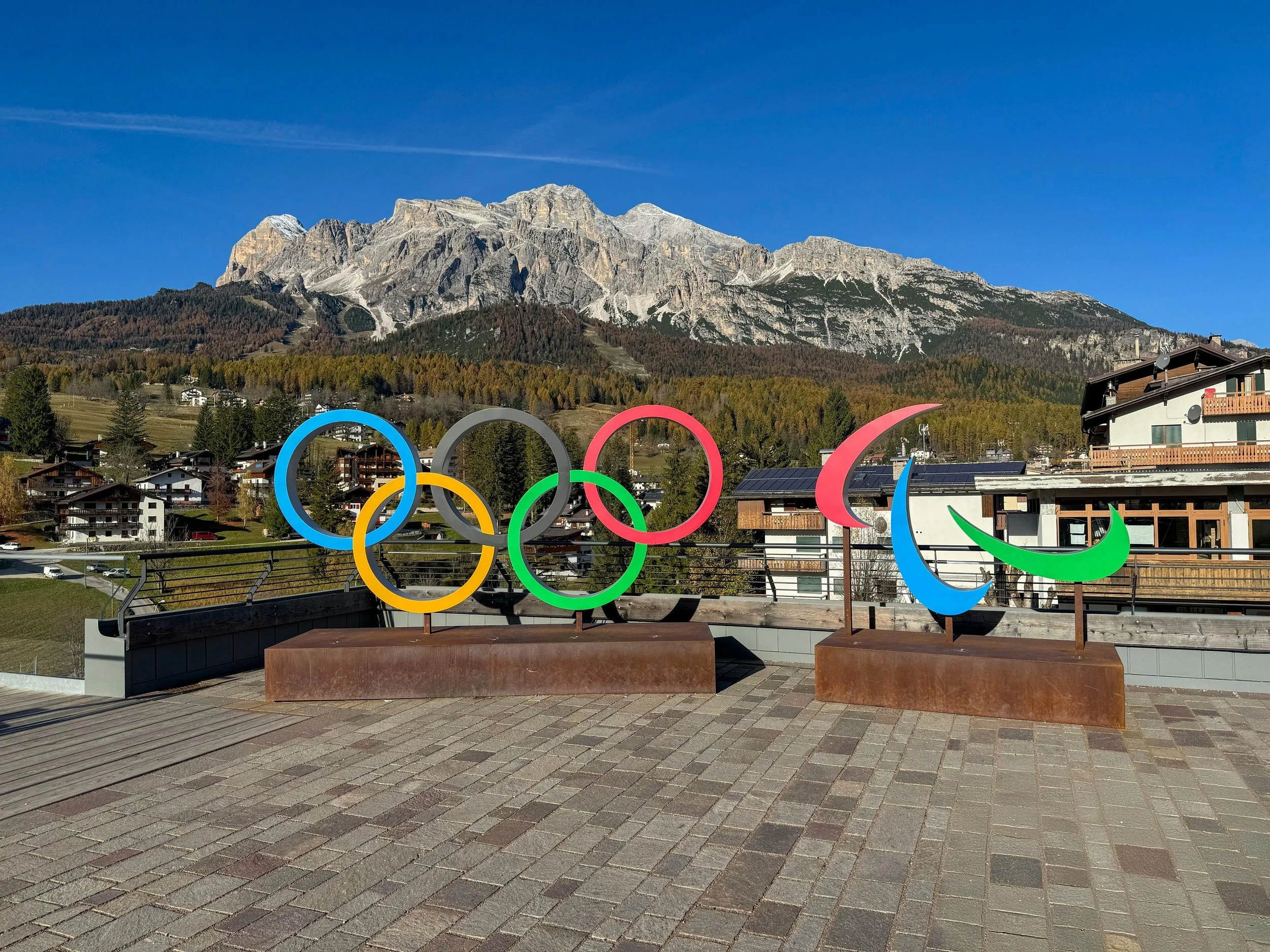
Cortina d’Ampezzo last hosted the Winter Olympics in 1956, an edition remembered for its elegance and charm, which helped establish the Queen of the Dolomites as one of Europe’s most prestigious mountain destinations.
Milano, on the other hand, will host Winter Olympic events for the first time, including the highly anticipated opening ceremony at the historic San Siro Stadium, a moment destined to become part of Olympic history.
The Games will take place from February 6 to February 22, 2026, followed by the Winter Paralympics from March 6 to 15, 2026.
Competitions will be held across several locations in Northern Italy, in Lombardy, Veneto, and Trentino-Alto Adige, and will include all major winter disciplines: alpine skiing, cross-country skiing, snowboarding, figure skating, ice hockey, curling, ski jumping, bobsleigh, skeleton, and many more.
→ You can find the official and updated event schedule here to help plan your trip or follow your favorite sports. https://www.olympics.com/it/milano-cortina-2026
Main Olympic Venues
This will be a “distributed” Olympics, with different cities and mountain areas hosting various sports, blending Milano’s modern urban energy with the natural beauty of the Dolomites.
Milano: the urban heart of the Games, Milano will host the opening ceremony as well as ice hockey, figure skating, and short-track speed skating.
Cortina d’Ampezzo: one of the most iconic venues, Cortina will host women’s alpine skiing, bobsleigh, skeleton, and curling, all set against the magnificent Dolomite backdrop.
Bormio: famous for its legendary downhill course, Bormio will host men’s alpine skiing and the Olympic debut of ski mountaineering, offering spectators a rare chance to see the world’s best athletes compete in this breathtaking sport.
Livigno: will be the home of freestyle skiing and snowboarding, while Anterselva in South Tyrol will host biathlon events thanks to its world-class facilities.
Sustainability and Innovation
Milano-Cortina 2026 is designed to be a sustainable and innovative edition of the Games. The goal is to create a net-zero event, with eco-friendly structures, reusable facilities, and a strong focus on green mobility. All venues will also be connected through extensive 5G coverage, ensuring fast communication, digital services, and an immersive experience for spectators both on-site and online.
Getting Around: From Milano to Cortina
Moving between the Olympic venues will be part of the experience itself.
Milano to Cortina: about 400 km. The most convenient option will likely be the train to Calalzo di Cadore, followed by a shuttle or transfer to Cortina (about 1 hour).
Renting a car is another option for greater flexibility, although traffic restrictions during the Games should be checked in advance.
Within Milano, the metro and rail network will provide easy access to all local Olympic venues.
Where to Stay
Finding accommodation during the Olympics will require some planning and a bit of luck.
In Milano, options are plentiful: design hotels in the city center, boutique stays, and apartments in lively districts like Porta Nuova, Brera, and the Navigli area.
In Cortina, many places are already sold out, but nearby towns like San Vito di Cadore, Dobbiaco, and Pieve di Cadore offer excellent alternatives and a quieter atmosphere.
In Valtellina, mountain towns like Bormio and Livigno provide cozy alpine hotels and chalets, perfect for those wanting a fully immersive winter experience.


Tickets and Useful Information
Official tickets will be available through the Milano-Cortina 2026 ticketing platform ( https://www.olympics.com/en/milano-cortina-2026/schedule/overview ).
Tips:
Sign up for the official newsletter to receive updates on pre-sales.
Look for travel packages that include tickets + accommodation.
Always purchase through authorized channels to avoid scams or unofficial resellers.
Cultural Events and Parallel Festivals
Beyond the competitions, Milano-Cortina 2026 will be a widespread celebration of sport, music, art, and Italian culture.
During the Olympic weeks, the host cities, as well as Bormio, Livigno, Verona, and others; will come alive with music festivals, themed exhibitions, public art installations, light shows, and outdoor performances designed to bring the Olympic spirit to everyone.
In Milano, the atmosphere will be vibrant and cosmopolitan: squares, theaters, and iconic neighborhoods like Brera and Porta Nuova will become open-air stages for international concerts, emerging artists, and photography exhibitions dedicated to winter sports and Italian design. Temporary Olympic fan zones with food areas and giant screens will welcome spectators from all over the world.
In Cortina, the mood will be more intimate and alpine: the Dolomites will set the scene for light festivals, traditional markets, local food tastings, and cultural performances rooted in mountain heritage. Small nearby villages will also host special events, creating a magical winter atmosphere across the region.
There will also be many family-friendly activities, including educational workshops, snow-themed events, and meet-and-greet moments with athletes.
Sustainability and accessibility, key values of Milano-Cortina 2026, will be highlighted in exhibitions, talks, and events focused on green innovation and the future of winter sports.
The Milano-Cortina Mascots: Tina and Milo
No Olympics would be complete without its mascots, and Milano-Cortina 2026 has two memorable ones: Tina and Milo, a pair of adorable stoat siblings representing energy, resilience, and the alpine spirit.
Tina, named after Cortina, is the Olympic mascot.
Milo, inspired by Milano, represents the Paralympic Games.
Their design reflects the agility and curiosity of real stoats, perfectly symbolizing life in the mountains. Milo was designed with one leg missing and uses his tail to move, a powerful symbol of strength, inclusion, and overcoming challenges.
They are joined by The Flo, six little snowbell characters symbolizing nature, hope, and renewal, deeply connected to the sustainable mission of the 2026 Games.
The mascots were chosen through a nationwide competition involving over 1,600 Italian schools, and they made their official debut at the Sanremo Music Festival, one of Italy’s most iconic cultural events.
How to Follow the Games
For those who can’t attend in person, coverage will be extensive and global.
All events will be broadcast live on olympics.com, on official networks worldwide, and through on-demand interactive content making it easy to experience the Olympics from anywhere.
The Milano-Cortina 2026 Winter Olympics will be much more than a sporting event: they will be a celebration of Italy, its heritage, and its extraordinary hospitality.
Whether you visit as a spectator, traveler, or curious observer, this will be a once-in-a-lifetime opportunity to experience winter sports and Italian culture in one of the world’s most spectacular alpine settings.
I’ll soon be sharing more updates, travel tips, and inspiration for anyone dreaming of experiencing the Olympic magic in the heart of the Italian Alps.
