Mistakes to avoid when planning a trip to Italy
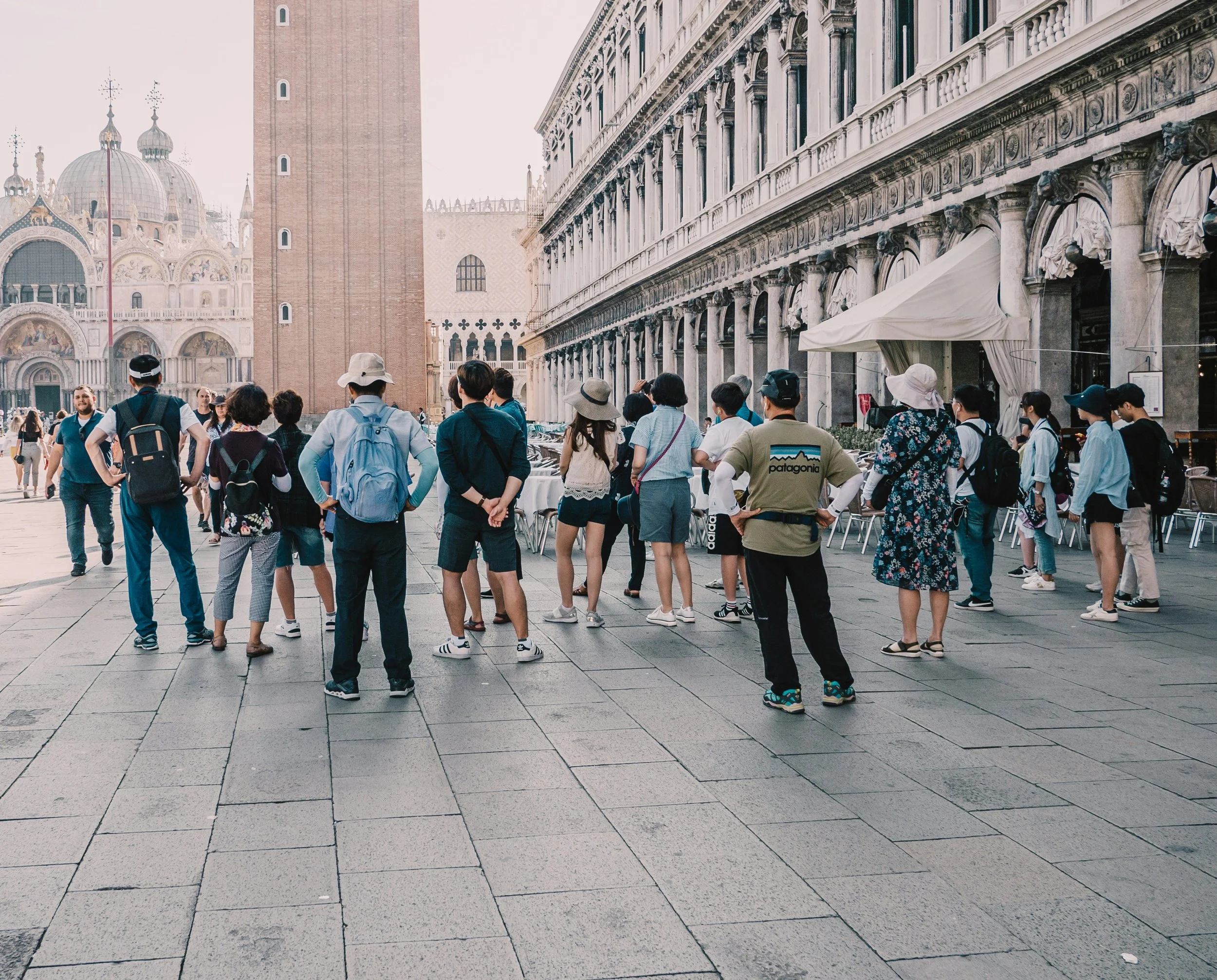
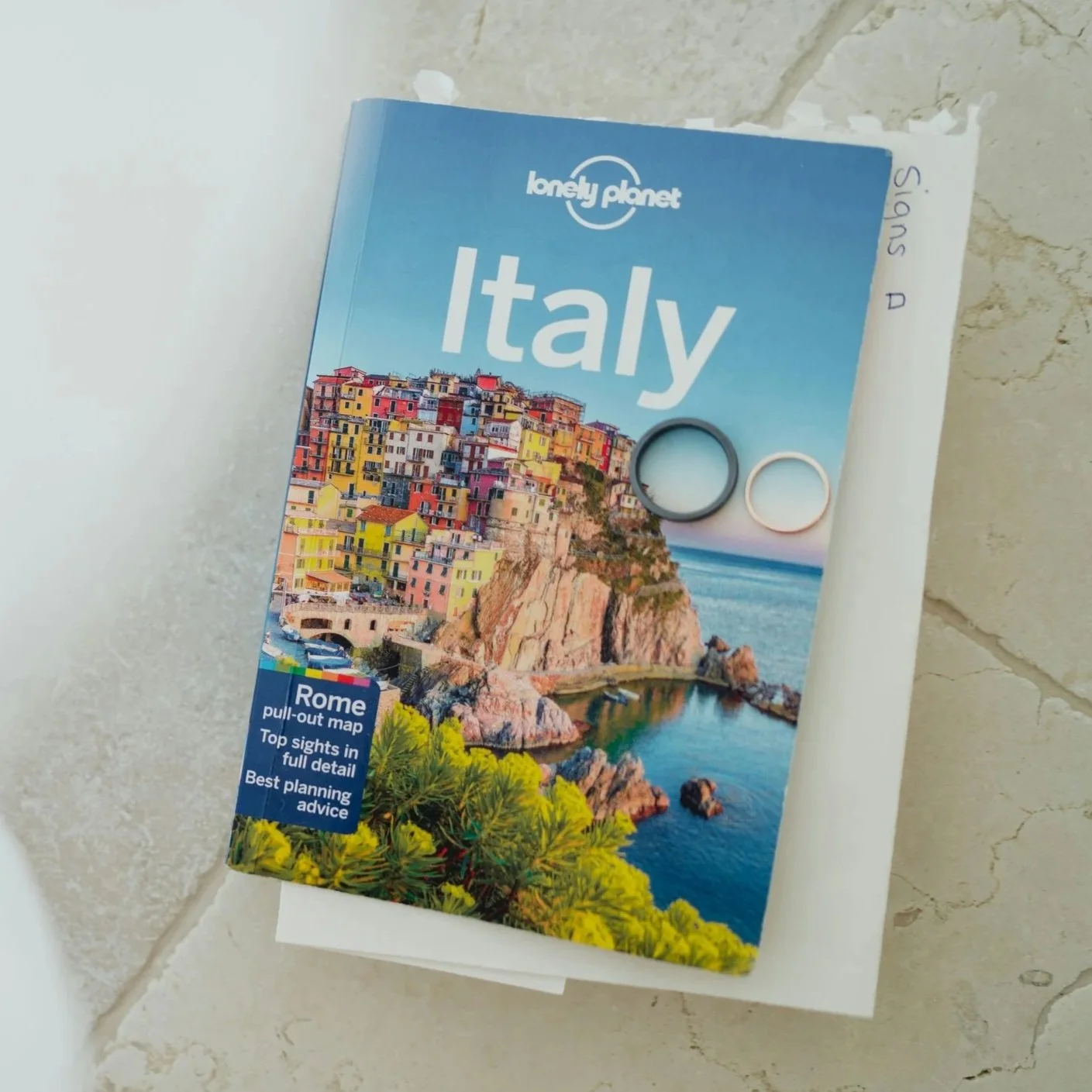
I decided to create this blog by putting myself in your shoes, people who may be thinking about visiting Italy and who might not yet be familiar with some local habits or small cultural differences that can make a big difference during a trip.
Sometimes things that work perfectly well in your home country may be less practical or simply different in Italy. For this reason, I’ve gathered here some common mistakes that many travelers make when planning their stay.
Whenever I travel to other countries, I also look for advice and tips to improve my travel experience and to avoid small inconveniences along the way.
I hope this blog can help make your stay in Italy smoother and more enjoyable.
1. Travel planning
Trying to see too many cities in just a few days
One of the most common mistakes is trying to fit too many destinations into one trip.
On the map, it may seem easy to visit cities like Rome, Florence, and Venice in just a few days, but in reality this often means spending a lot of time dealing with luggage, train stations, and transfers. The result is often more fatigue and less time to truly enjoy the places you are visiting.
Not booking major attractions in advance
Many travelers think they can simply buy tickets once they arrive. In reality, very popular attractions such as the Vatican Museums or the Uffizi Gallery are often sold out days or even weeks in advance, especially during high season.
Booking in advance helps you avoid long lines and organize your sightseeing days more efficiently.
Planning every hour of the day
Having an itinerary is helpful, but filling every hour with activities and visits can make the trip very stressful.
Between possible transportation delays, long lines, changes of plans, or simply wanting to stay longer in a place you really enjoy, it’s always better to leave some flexibility.
A good balance is to plan one or at most two main visits per day, leaving time to walk around, sit in a piazza, or discover hidden corners of the city at a relaxed pace.
2. Transportation and logistics
Not validating regional train or bus tickets
Having a ticket is not always enough. For many regional trains, tickets must be validated using the machines located in the train station before boarding.
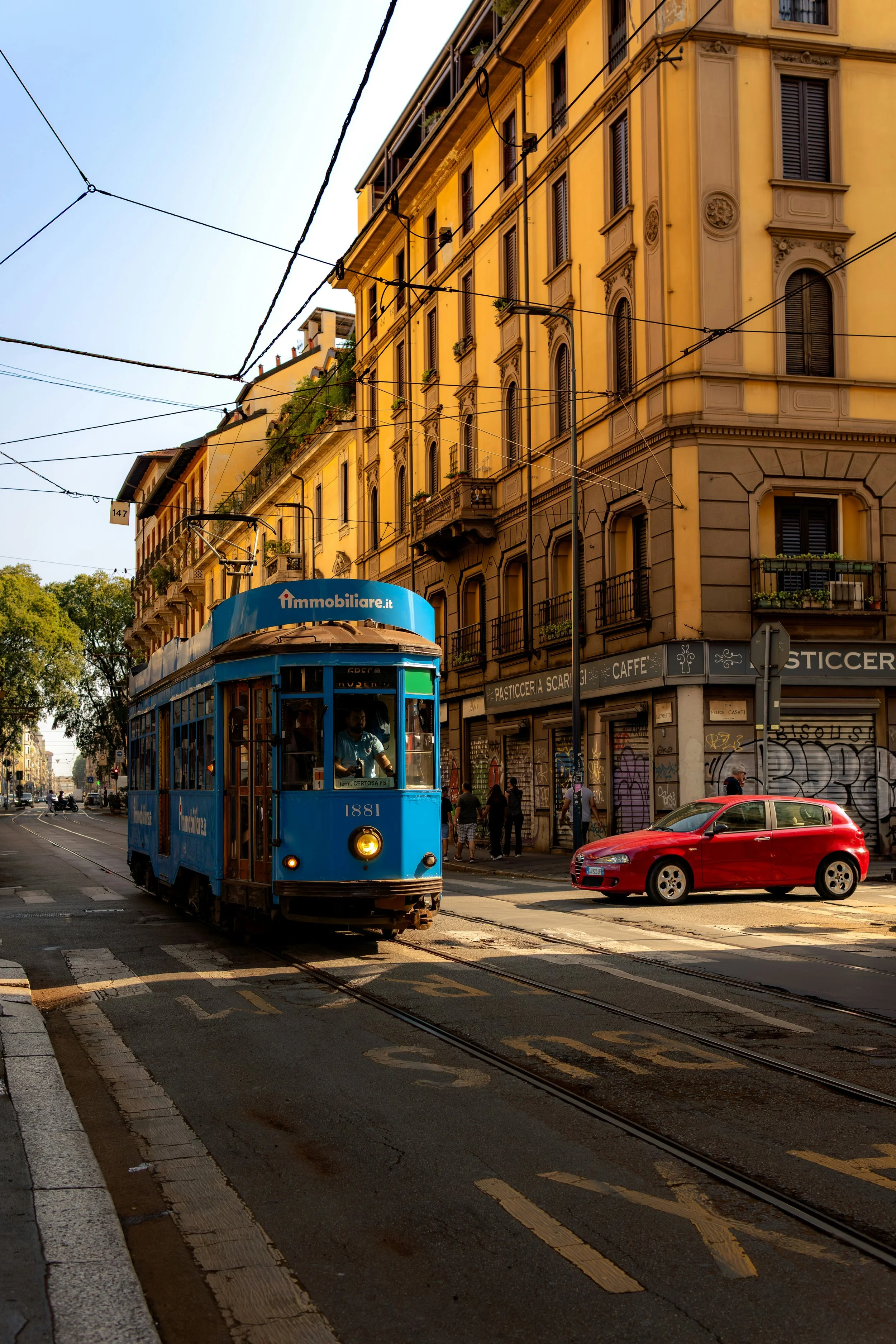
For trams and buses, the validation machine is usually on board the vehicle, and the ticket should be validated as soon as you get on.
If the ticket is not validated, you may receive a fine during ticket inspection even if the ticket has already been purchased.
Sometimes the validation machines may not be working. In that case, once you board the train or bus, it is important to immediately inform the staff on board, such as the conductor or the driver, and explain the situation. This helps avoid the risk of receiving a fine.
Nowadays, however, it is increasingly common to use digital tickets and mobile applications to purchase and manage transportation. Many railway and public transport services allow you to buy tickets directly through apps, which eliminates the need to validate paper tickets.
For trams, buses, and subways there are often daily or multi-day passes, which can be more convenient if you plan to use public transportation frequently.
However, if you are using a paper ticket, it is important to remember to validate it and always check the schedules and conditions of use to avoid problems during your trip.
Traveling with very large luggage
Many Italian cities have historic centers with cobblestone streets, stairs, and often crowded public transportation.
Moving around with very large suitcases can make traveling more difficult, especially when you need to change trains, climb stairs, or walk to reach hotels or apartments.
Traveling with lighter luggage can make getting around much easier.
Underestimating travel times
Even though Italy may look relatively small on the map, traveling between cities and regions still takes time.
Between train transfers, possible delays, and getting from the station to your accommodation, it’s always important to plan realistic travel times and, when possible, leave a bit of flexibility in your itinerary.

3. Restaurants and dining habits
Not knowing restaurant hours
Restaurant hours in Italy may be different from what many travelers are used to.
Lunch is usually served from around 12:00 PM until about 2:30 PM, and many restaurants close during the afternoon.
Dinner generally starts around 7:00 PM and may continue until about 9:00 PM.
In larger cities, especially during the summer months, it is often possible to dine later, but opening hours can vary depending on the area and the season.
If you have a specific restaurant in mind, it’s always a good idea to check Google Maps or the restaurant’s official website to confirm the opening hours and avoid arriving when the kitchen is already closed.
Checking for allergies or dietary needs
Italy is becoming more attentive to dietary restrictions, so many restaurants now offer vegetarian, vegan, or gluten-free options. That said, traditional Italian cuisine, based on the Mediterranean diet, often includes wheat, pasta, bread, meat, fish, vegetables, and dairy. It’s always a good idea to check the menu in advance, and if needed, politely ask the staff about options or small modifications to accommodate your dietary needs.
Avoid asking for unusual menu modifications
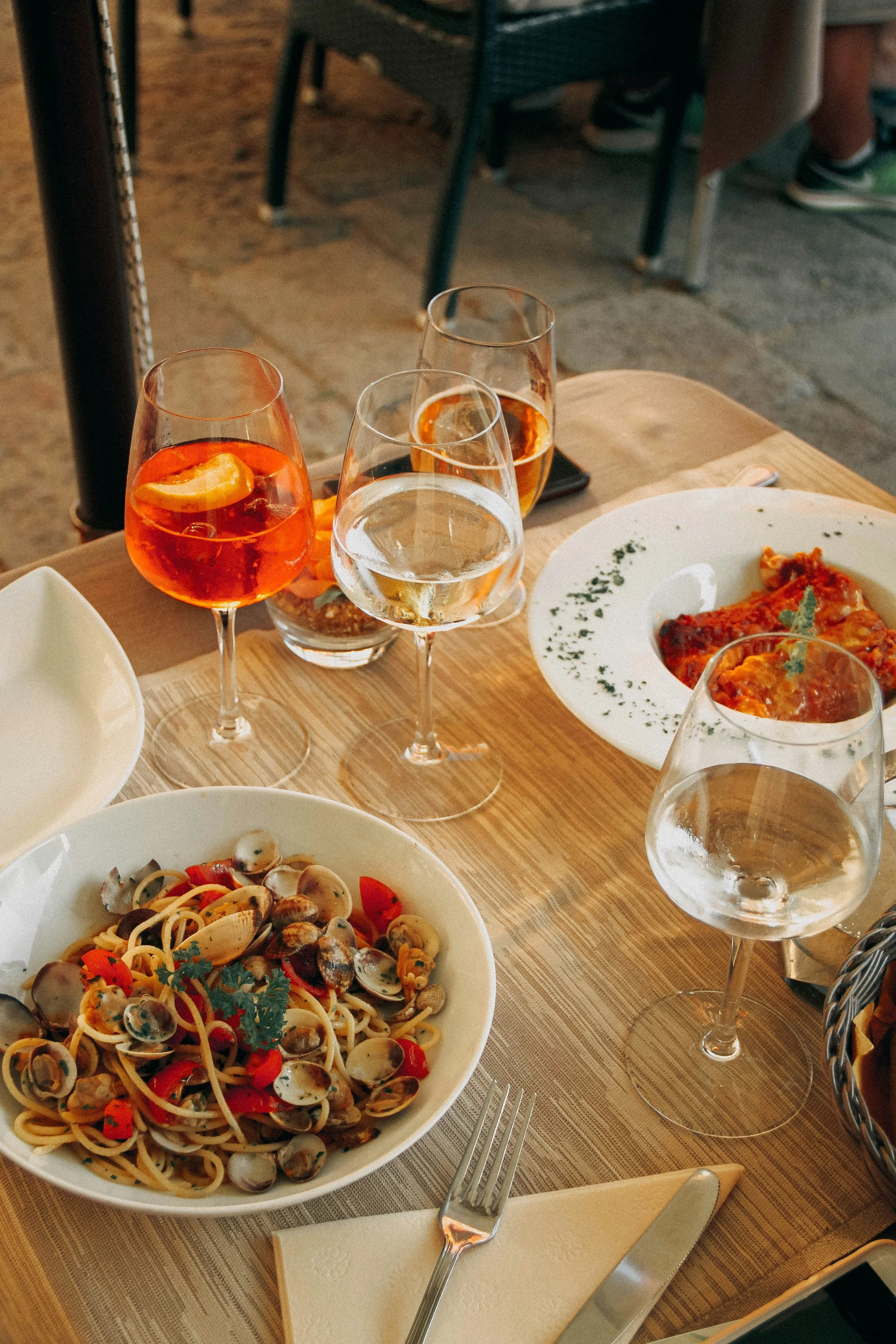
Italian cuisine is built on traditional recipes and balanced flavors. While minor adjustments are usually fine, it’s best to avoid unusual modifications, like adding ketchup on pasta or cheese on certain seafood dishes, so you can enjoy the meal as it was intended.
4. Money, tipping, and restaurant bills
Expecting the tipping system of other countries
In Italy, tipping culture is different from countries such as the United States.
Service is often already included in the bill, and there is no fixed percentage expected. If you were particularly satisfied with the service, you can leave a small tip or round up the bill, but it is not mandatory.
When a tip is left, it is usually given in cash directly on the table or to the waiter.
Not knowing about the “coperto”
On restaurant bills you will often see a charge called coperto. This is a small charge per person that covers table service and often bread as well. It is a very common practice in many parts of Italy and it is not a tip, but a normal part of the restaurant bill.
Check payment methods before sitting down
Before you sit down at a restaurant, it’s a good idea to check which payment methods are accepted. Nowadays, larger cities are more “up to date,” so they often accept physical cards or even mobile payments like Apple Pay. Payment options can vary: Visa and Mastercard are the most widely accepted, while American Express is less common, so it’s best to check in advance.
If you’re visiting smaller towns or places outside the big cities, it’s even more important to check, so you don’t end up with a problem at the end of the meal. Some places may only take cash, so having a few euros on hand is always a safe choice.
Understanding a few local habits can make traveling in Italy much easier and more enjoyable.
By avoiding these common mistakes, you will be able to enjoy your trip with less stress and have a more authentic experience.
If you have questions or curiosities, or if you would like to read another blog focused on more specific travel mistakes or other aspects of traveling in Italy, feel free to write to me.
I will be happy to help and answer your questions at dolceitalyescape@gmail.com
