Thermal Baths in Italy: a tradition of wellness
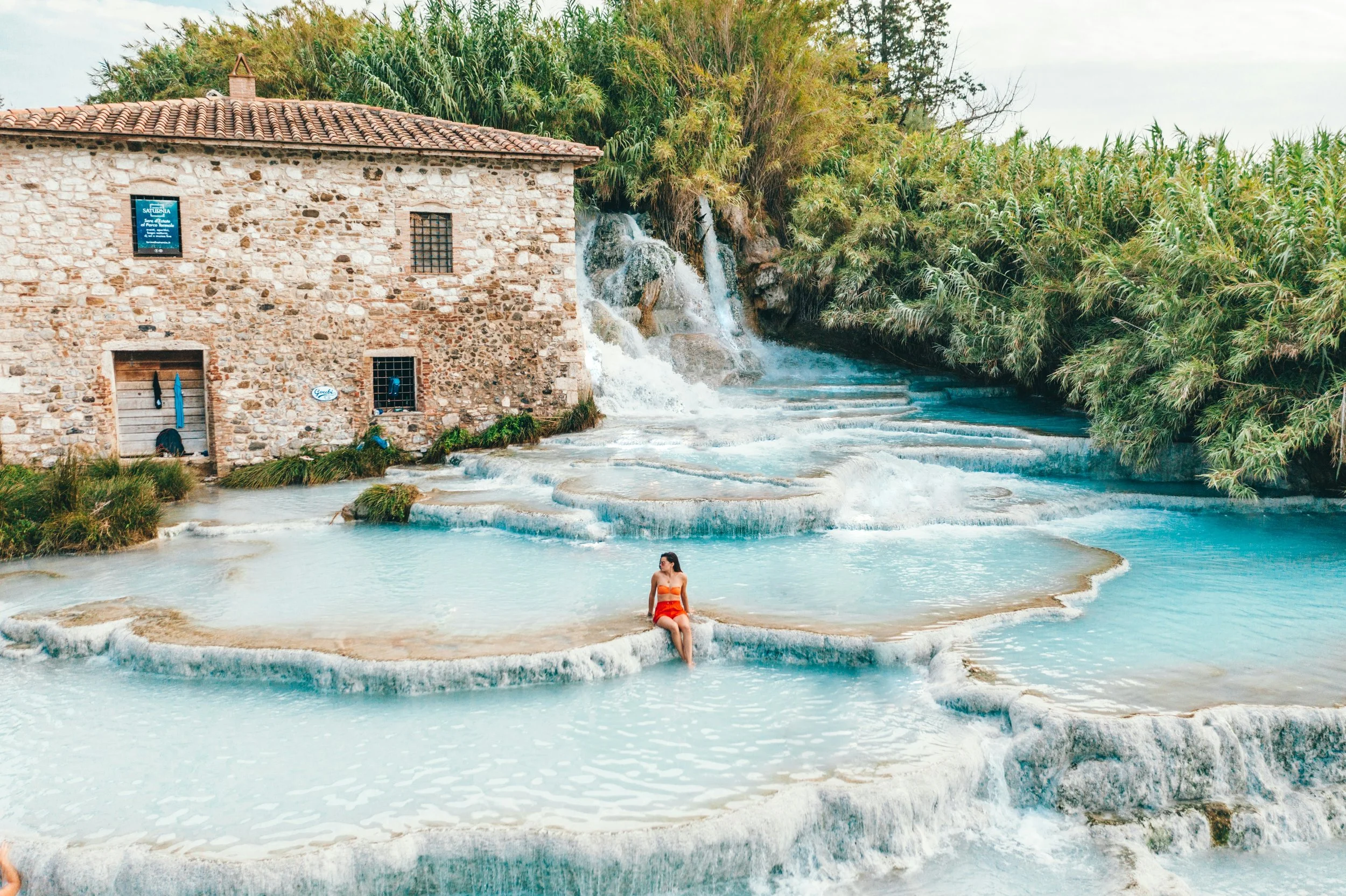
Saturnia Thermal Baths (Tuscany)
For me, thermal baths have always been a moment of true detachment and personal relaxation. A time to dedicate to oneself, away from the daily routine and thoughts. There are countless thermal baths in Italy, each different from the other: some small and intimate, others larger and more structured, but what unites them all is the sense of well-being they provide.
When I go to a thermal bath, I like to go with just a few people, one or two at most. It is an experience I feel as intimate, almost suspended in time. Entering a thermal pool, for me, means entering another world: thoughts drift away, the body slowly relaxes, and you allow yourself the luxury of living the moment calmly.
Over time, I have tried different experiences: from simpler baths, perfect even for just a few hours, to those where you can spend the entire day. Some offer gastronomic experiences, others allow you to stay directly in the facility, or they become the ideal complement to a trip, perhaps after a day of skiing or during a stop in a new destination, choosing a hotel with an included thermal area.
And this is where thermal baths become something more. In Italy, thermal baths are almost never an isolated experience; they are part of a broader journey through historic villages, natural landscapes, local gastronomy, and culture. They are places to slow down, take time, and reconnect with yourself, away from the hectic pace of daily life.
They can be combined with walks among hills and vineyards, stays in historic residences, gastronomic experiences, or slow journeys to discover the most authentic Italy. Thermal baths thus become the heart of an itinerary built around well-being, not only physical but also emotional.
Choosing a thermal experience in Italy means rediscovering the luxury of slow living: the value of silence, listening, and simplicity. It is a modern luxury, not based on excess, but on balance, where every moment is lived with awareness and harmony.
What are Thermal Baths: history and well-being
Thermal baths are places fed by natural thermal waters, which emerge from the ground at high temperatures and are naturally rich in minerals. Unlike traditional spas, thermal baths use water with specific properties, known and appreciated since ancient times for their beneficial effects on the body and mind.
Historical origins and discovery by the Romans
Thermal baths in Italy have ancient origins, mainly linked to Roman civilization, which transformed them into iconic complexes of wellness and social life. The Romans discovered and utilized naturally hot springs, developing them into public facilities from the 3rd–4th century BC.
The first Roman baths appeared between the 4th and 3rd centuries BC, inspired by Greek and Egyptian baths but using natural thermal springs in areas such as Pompeii (Stabian Baths) or Ferentino. Initially Republican and simple, they became monumental under emperors such as Agrippa (25 BC) and his successors, who built them in cities using technologies to artificially heat water through hypocausts. In Italy, Rome had hundreds of baths accessible to all social classes.
Thermal waters were already known to the Etruscans, Greeks, and Celts, but the Romans systematized their use, observing the curative benefits of hot springs in central and northern Italy. As their influence expanded, they developed these sources (e.g., Chianciano, Ischia) for hygiene and therapy, integrating them with aqueducts and artificial heating to create urban baths. Vitruvius described the technology in the 1st century BC.
For the Romans, thermal baths were multifunctional centers, not just baths but also gyms, libraries, theaters, restaurants, and social gathering places. They were open to all, rich and poor alike, and represented a daily ritual of relaxation, medical care, and recreation, symbolizing imperial luxury, such as the Baths of Caracalla.
Visitors to Rome can admire the Baths of Caracalla or the Baths of Diocletian, while in Pompeii the Stabian Baths are still visible, showing how the Romans transformed natural springs into monumental complexes of wellness and social life.
Where to experience Thermal Baths in Italy: water and benefits
Italy is home to many thermal baths, both small and large, historic and modern. Here are some of the most well-known and appreciated, although this is not a definitive ranking.
Saturnia Thermal Baths (Tuscany)
Water at 37.5 °C (99.5 °F), rich in sulfur, bicarbonate, calcium, and magnesium.
Benefits: relaxes muscles, improves circulation and respiration, anti-inflammatory effects, and skin care.Bormio Baths (Lombardy)
Hot mineral waters, 37–43 °C (98.6–109.4 °F), known since pre-Roman times.
Benefits: muscle relaxation, improved circulation, rejuvenating experience with Alpine views.Riva del Garda Thermal Baths (Lake Garda)
Hot waters 33–37 °C (91.4–98.6 °F), mineral-rich and relaxing.
Benefits: general well-being, muscular and mental relaxation, supports circulation.Ischia Thermal Baths (Campania)
Volcanic springs rich in magnesium, calcium, iodine, and sulfur, typically 34–38 °C (93.2–100.4 °F).
Benefits: relieves joint and muscle pain, skin and respiratory issues, detoxifying and anti-inflammatory effects.Venturina Thermal Baths (Tuscany)
Water 31–36 °C (87.8–96.8 °F), also used for mud and therapeutic treatments.
Benefits: relaxation, relief for muscles and joints, natural therapeutic treatments.Fiuggi Thermal Baths (Lazio)
Water rich in calcium bicarbonate and magnesium, around 30–32 °C (86–89.6 °F).
Benefits: diuretic and purifying action, prevention of kidney stones, digestive and anti-inflammatory support.Montecatini Terme (Tuscany)
Salso-sulfate-bicarbonate-sodium waters, multiple springs (Tettuccio, Regina, Rinfresco, Leopoldina), 28–36 °C (82.4–96.8 °F).
Benefits: purification, digestion, bile function, intestinal transit support.Montegrotto Terme (Veneto)
Salso-bromo-iodine waters, high mineral content, 33–38 °C (91.4–100.4 °F).
Benefits: improves circulation, relaxes muscles, treatments for joints and respiratory system.
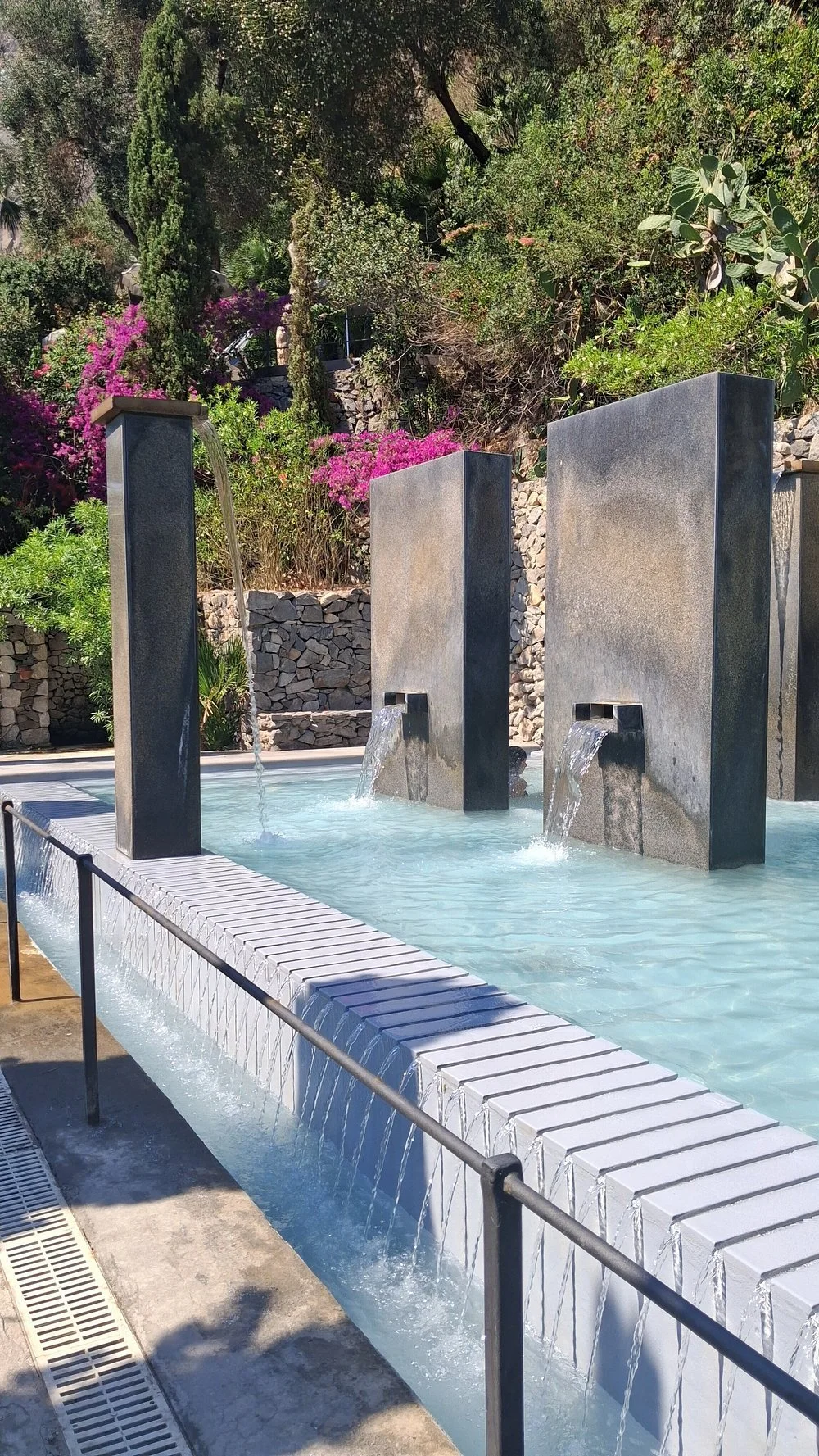
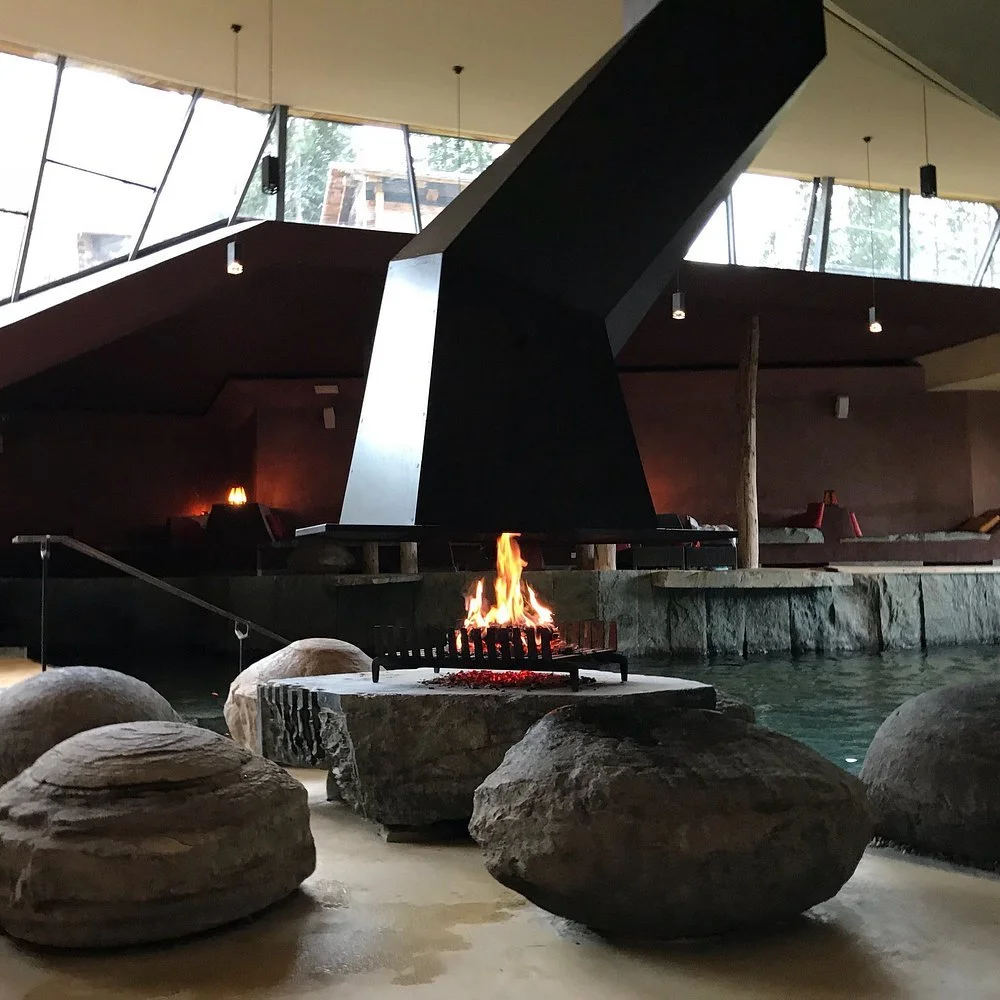
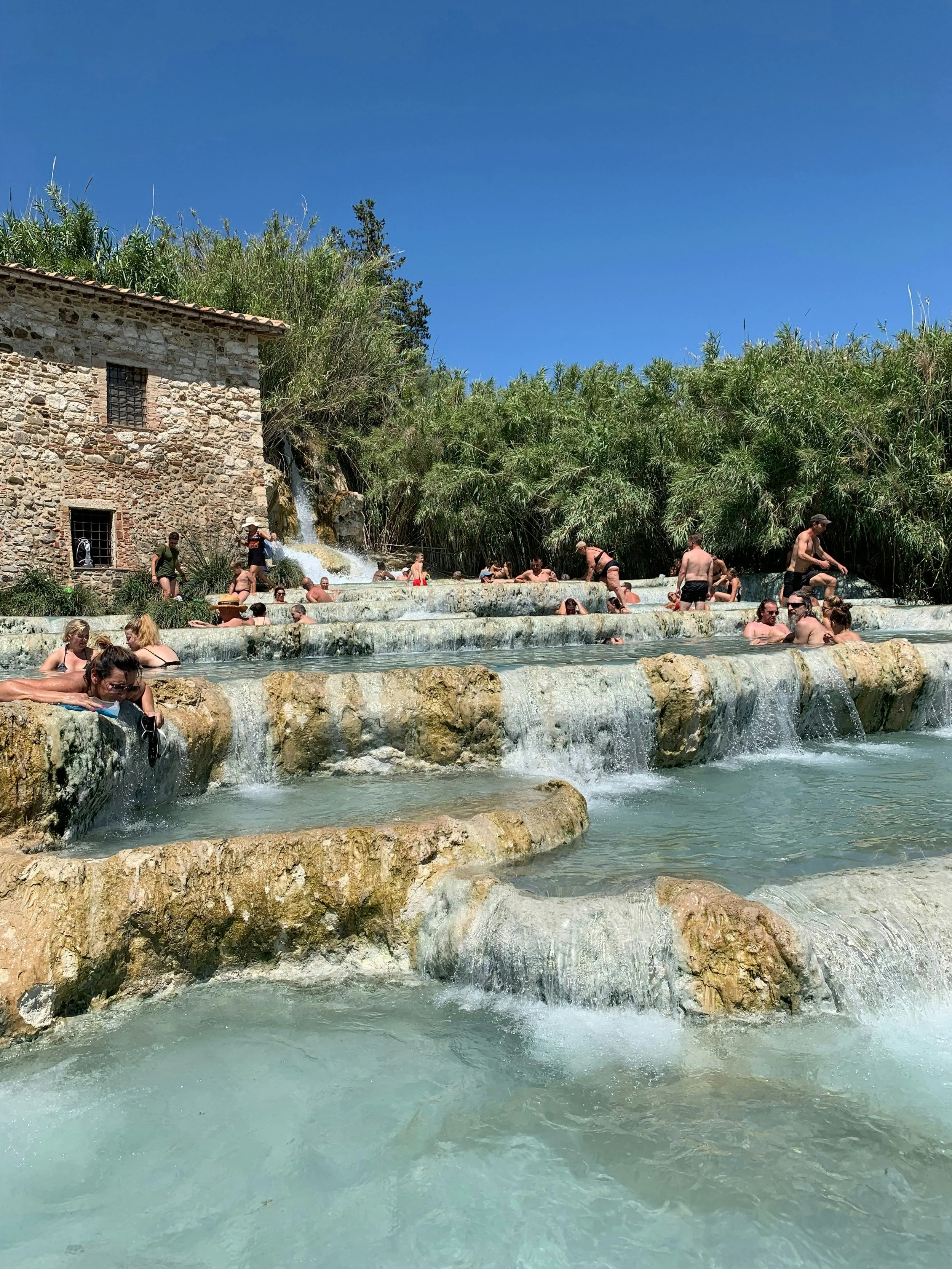
Tradition, rules, and practical tips for Thermal Baths in Italy
European thermal tradition often involves nudity in baths, a natural and relaxing practice. In Italy, however, customs vary depending on the facility and type of experience.
With or without a swimsuit?
Some thermal baths require swimsuits in all areas, especially those frequented by families. Others, outdoors or in natural springs, allow nudity in designated zones. Many facilities offer separate areas: pools where swimsuits are required and natural zones where nudity is permitted.
Family-friendly or more intimate?
Some baths are ideal for families, with paths accessible to children and teenagers. Others cater to an adult audience, offering private environments for those seeking deep relaxation and intimacy.
What to bring and what the facility provides
Depending on the thermal bath you choose, some facilities provide everything needed for the experience: bathrobes, slippers, shower gel, shampoo, or towels. In other facilities, you may need to bring your own personal items. It is always recommended to check in advance.
Eco-friendly practices
Some thermal baths adopt sustainable practices: recycling thermal water, using renewable energy, natural products for treatments, and pathways immersed in nature, all in harmony with the surrounding environment.
Travel experience, the luxury of slow living, and when to go
Thermal baths in Italy are perfect in every season. In winter, the contrast between cold air and hot water creates a magical atmosphere among snow-covered mountains. In spring and autumn, the tranquility and lighter crowds allow for a slow travel pace, ideal for an authentic wellness experience. Even in summer, thermal baths offer the chance to combine relaxation with walks through villages and outdoor gastronomic experiences.
Thermal baths are almost never an isolated experience: they are part of a broader journey through historic villages, natural landscapes, local gastronomy, and culture. Choosing a thermal experience in Italy means rediscovering the luxury of slow living, enjoying silence, listening to yourself, and appreciating every moment consciously.
Wellness tailored by Dolce Italy Escape
A thermal experience can become part of a tailor-made journey, in harmony with your desires, travel style, and way of experiencing Italy.
Dolce Italy Escape helps you create personalized itineraries combining wellness, local culture, and authenticity, to experience Italy with calm, beauty, and awareness. For advice or to organize your trip, you can write to dolceitalyescape@gmail.com.
‘Because the real luxury today is taking the time to feel well’
