Easter in Italy

Easter in Italy is one of the most heartfelt and significant celebrations of the year. Unlike Christmas, which is always celebrated on December 25th, Easter follows the Christian liturgical calendar: it falls on the first Sunday after the first full moon following the spring equinox. For this reason, the date changes every year, usually between late March and April. In 2026, Easter will be celebrated on Sunday, April 5th.
Despite the changing date, Easter almost always coincides with the arrival of spring. The days grow longer, the weather becomes milder, flowers bloom, and nature awakens. The atmosphere in Italian cities and villages changes: squares fill up again, restaurants set up outdoor tables, and you can feel the unique energy of the new season.
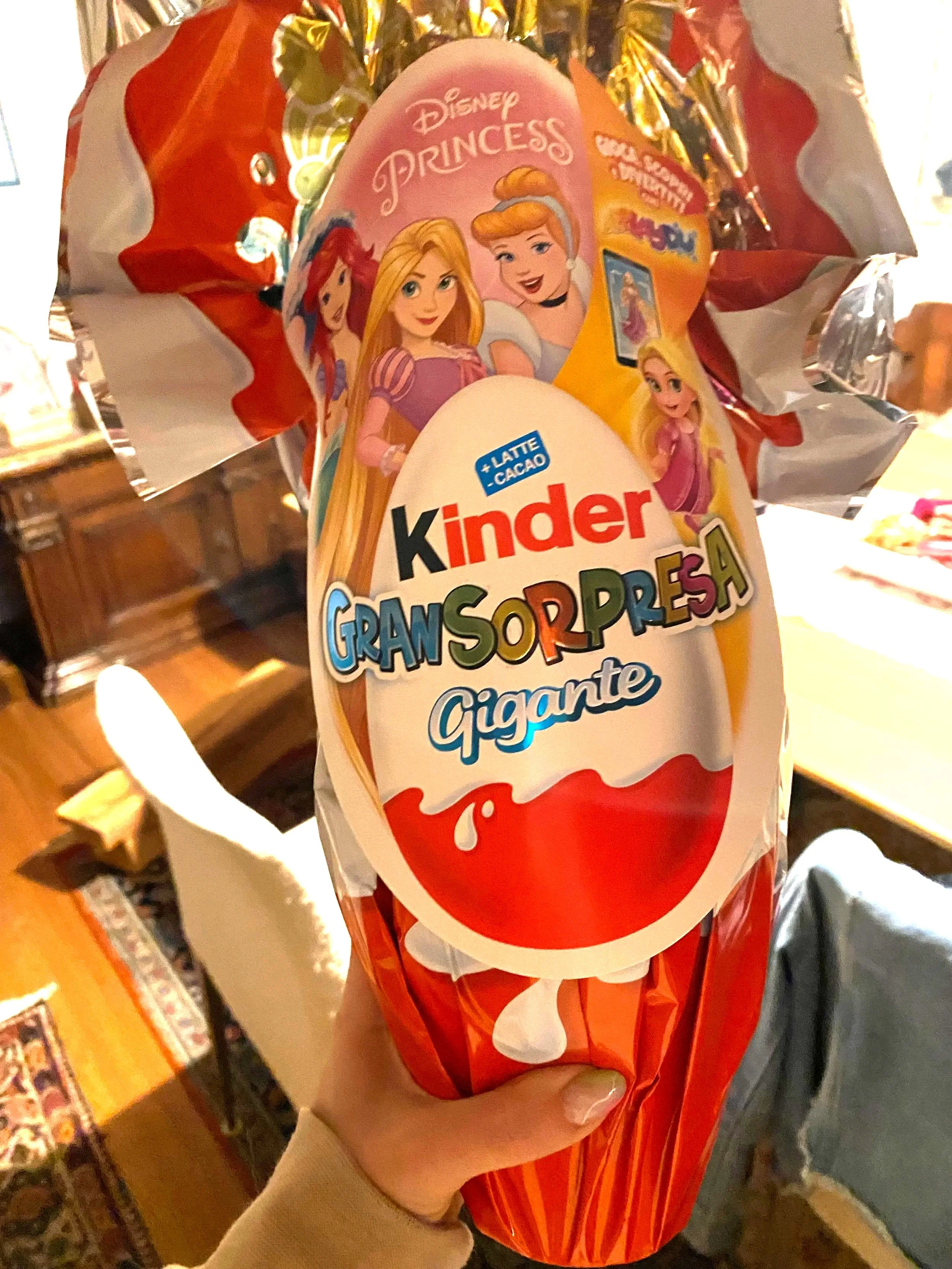
Traditionally, Easter is a time to spend with family, gathered around a table filled with regional dishes and recipes passed down through generations. Personally, I have always experienced Easter as a sweet and bright celebration, tied to a simple yet special memory: opening chocolate eggs. In Italy, it is customary to gift large decorated eggs that hide a surprise inside, a small gesture that brings excitement, especially for children, but always manages to make adults smile as well.
In Italy, the celebration is not limited to Easter Sunday. The following Monday, known as Pasquetta, is also a public holiday. Many Italians take advantage of this day for short trips, picnics, or weekend getaways, officially kicking off the spring weekend season.
The Most Beautiful Easter Traditions in Italy
Florence: The Scoppio del Carro
On Easter morning, in Piazza del Duomo in Florence, one of Italy’s most spectacular traditions takes place: the Scoppio del Carro.
A large historical cart, called the Brindellone, is pulled by white oxen between the Baptistery and the Duomo. During Mass, a small “colombina” (a dove-shaped rocket) is launched from the main altar, travels along a wire through the nave, and reaches the cart outside, igniting a fireworks display.
According to tradition, if everything works perfectly, it is a good omen for the year and will bring prosperity to the city.
Rome: The Pope, the Via Crucis, and Easter Mass
During Holy Week, Rome becomes the center of global Catholic celebrations: Palm Sunday Mass, Holy Thursday and Good Friday rites, the Easter Vigil, and the solemn Easter Sunday Mass in St. Peter’s Square are all held.
The most striking moment is the Good Friday Via Crucis at the Colosseum: a grand procession with torches, meditations, and readings led by the Pope, broadcast worldwide. The evening atmosphere, lit by candlelight, makes the event particularly intense and spiritual.
Sicily: A Spectacular Holy Week
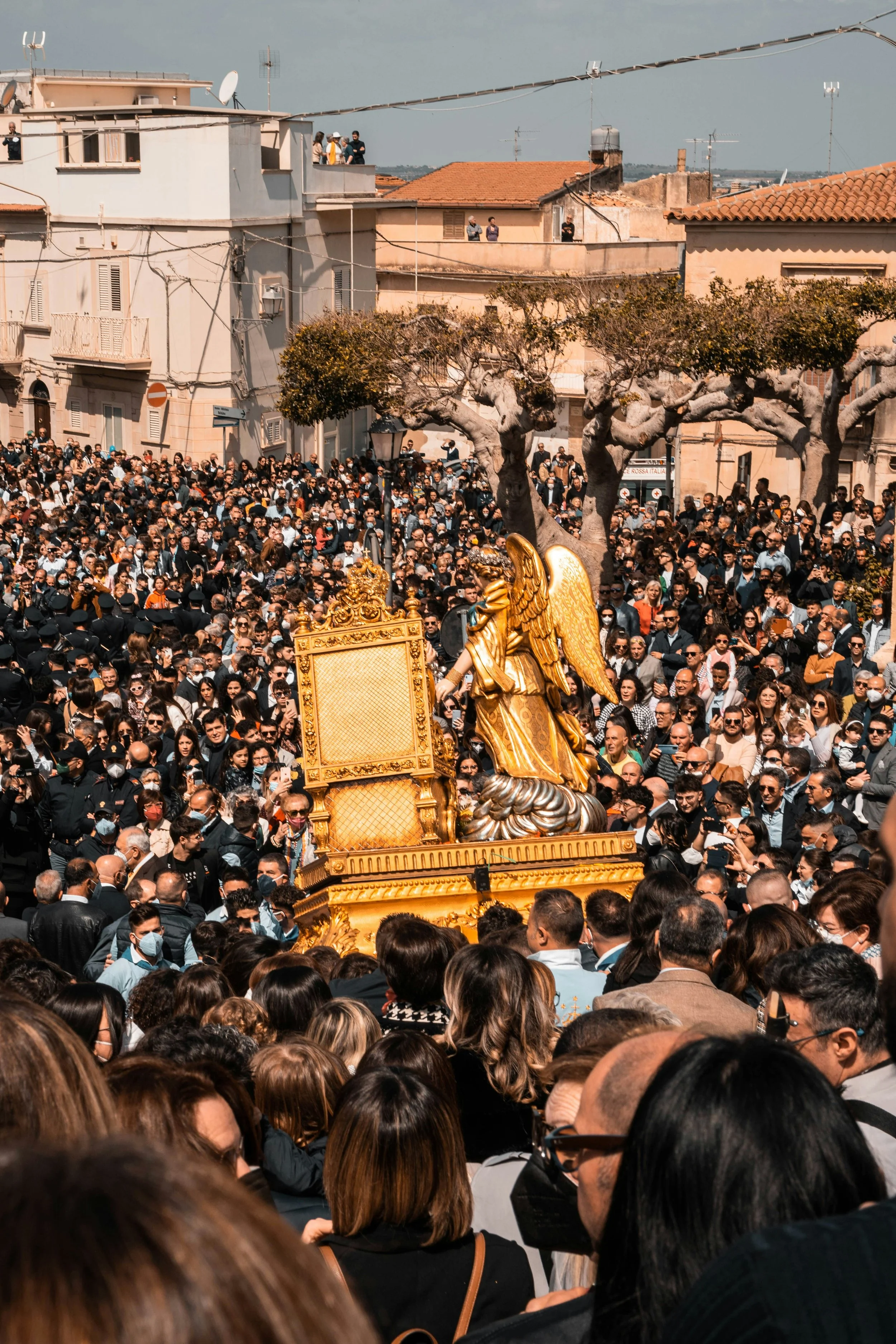
In Sicily, Holy Week is among the most dramatic and engaging in Italy. In cities such as Enna, Caltanissetta, Marsala, and Palermo, large processions take place with hooded confraternities, monumental statues, and groups representing the Passion of Christ, often influenced by Spanish traditions.
In Enna, for example, the confraternities march in traditional attire in a solemn and intimate atmosphere. In other towns, the “meeting” rites between the resurrected Christ and the Madonna take place on Easter Sunday, along with live reenactments of the Passion.
Trapani: The Procession of the Mysteries
Among the most famous celebrations is the Procession of the Mysteries in Trapani. It takes place on Good Friday and lasts almost 24 hours, from the afternoon until Saturday. Twenty groups of statues representing episodes of the Passion are carried through the historic center by porters, accompanied by bands playing funeral marches.
The statues move with the typical swaying motion called annacata, creating an intense and evocative atmosphere, especially at night.
Easter Cuisine in Italy
Easter in Italy is also and above all, a major culinary event. The Easter lunch is rich, convivial, and deeply rooted in regional tradition.
Savory Dishes (Main Courses and Rustic Specialties)
Among the savory dishes that symbolize Italian Easter is lamb, or abbacchio, an essential part of the Sunday lunch. It is prepared roasted with potatoes, stewed, or in the famous “abbacchio alla romana” style, cooked with wine, anchovies, and rosemary, especially popular in Central Italy.
In recent years, however, more and more people are choosing alternative options, both for ethical reasons and personal preferences. Personally, I am not a big fan of lamb and prefer lighter, seasonal spring options. Many families now opt for chicken, beef, or other meats, or vegetarian dishes based on seasonal vegetables, while still keeping the festive and convivial spirit of the tradition.
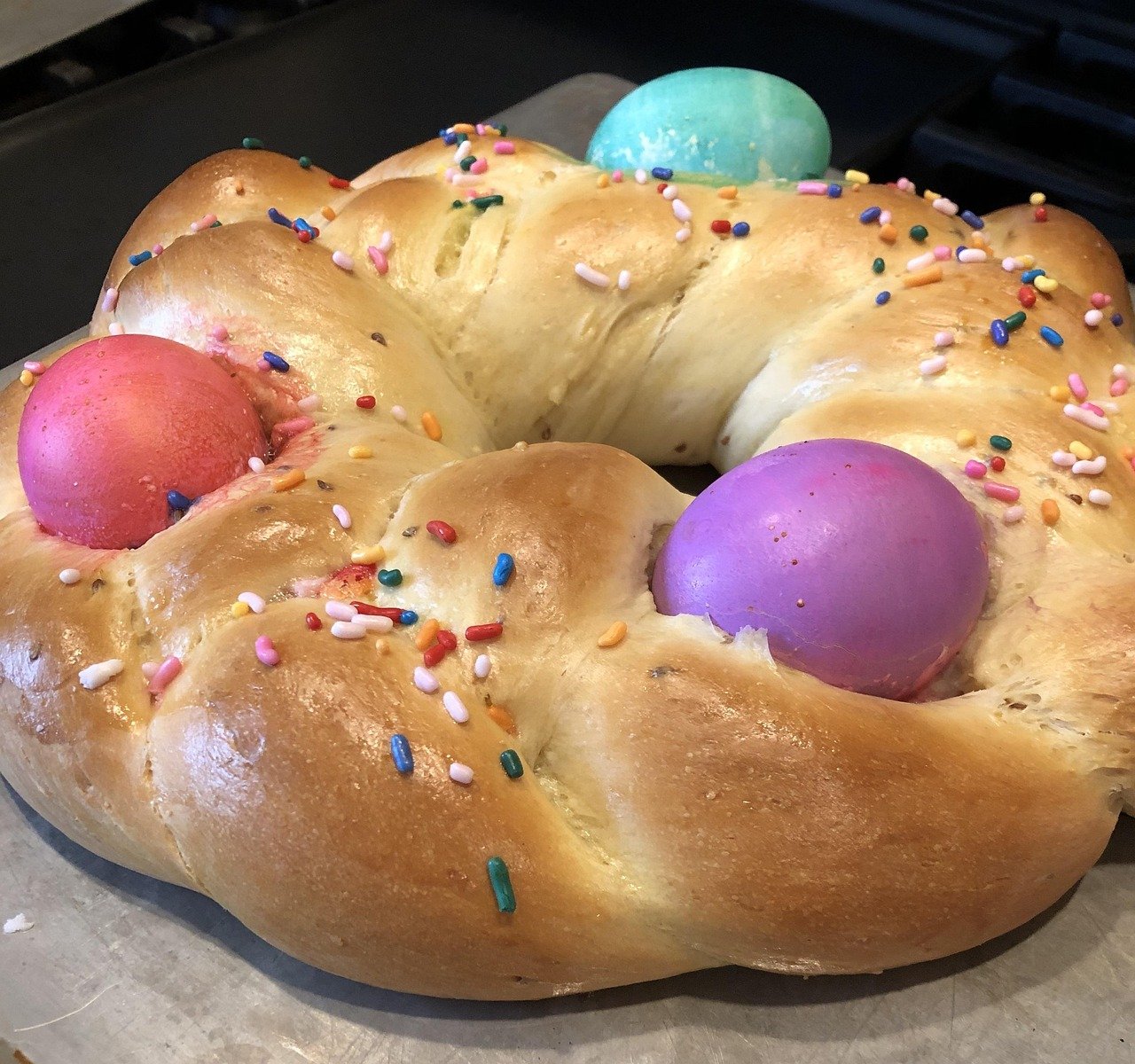
Alongside the main dishes, tables are filled with rich and flavorful tarts and rustic pies. In Liguria, the traditional torta pasqualina is made with ricotta, vegetables, and whole eggs baked inside; in Umbria, the Marche, and much of Central Italy, the crescia or cheese pie is served, often accompanied by cured meats and boiled eggs. In Southern Italy, rustic specialties are widespread: casatiello and tortano from Naples (savory breads stuffed with meats, cheeses, and eggs), the Puglian scarcella, and the Abruzzese and Molise fiadoni stuffed with cheese.
First Courses
Easter lunch often features rich and hearty first courses. Baked pasta is a very common choice, including lasagna or cannelloni with meat ragù and béchamel. In many regions, stuffed fresh pasta such as agnolotti, ravioli, or orecchiette is served, sometimes with meat fillings, sometimes with spring vegetables like asparagus or artichokes, marking the arrival of the new season.
Sides and Traditional Ingredients
Eggs are the quintessential symbol of Easter, representing rebirth and new life. Hard-boiled eggs are served on their own, incorporated into savory pies, or paired with bread and cured meats, making them a highlight of both Easter Sunday lunch and the Pasquetta picnic.
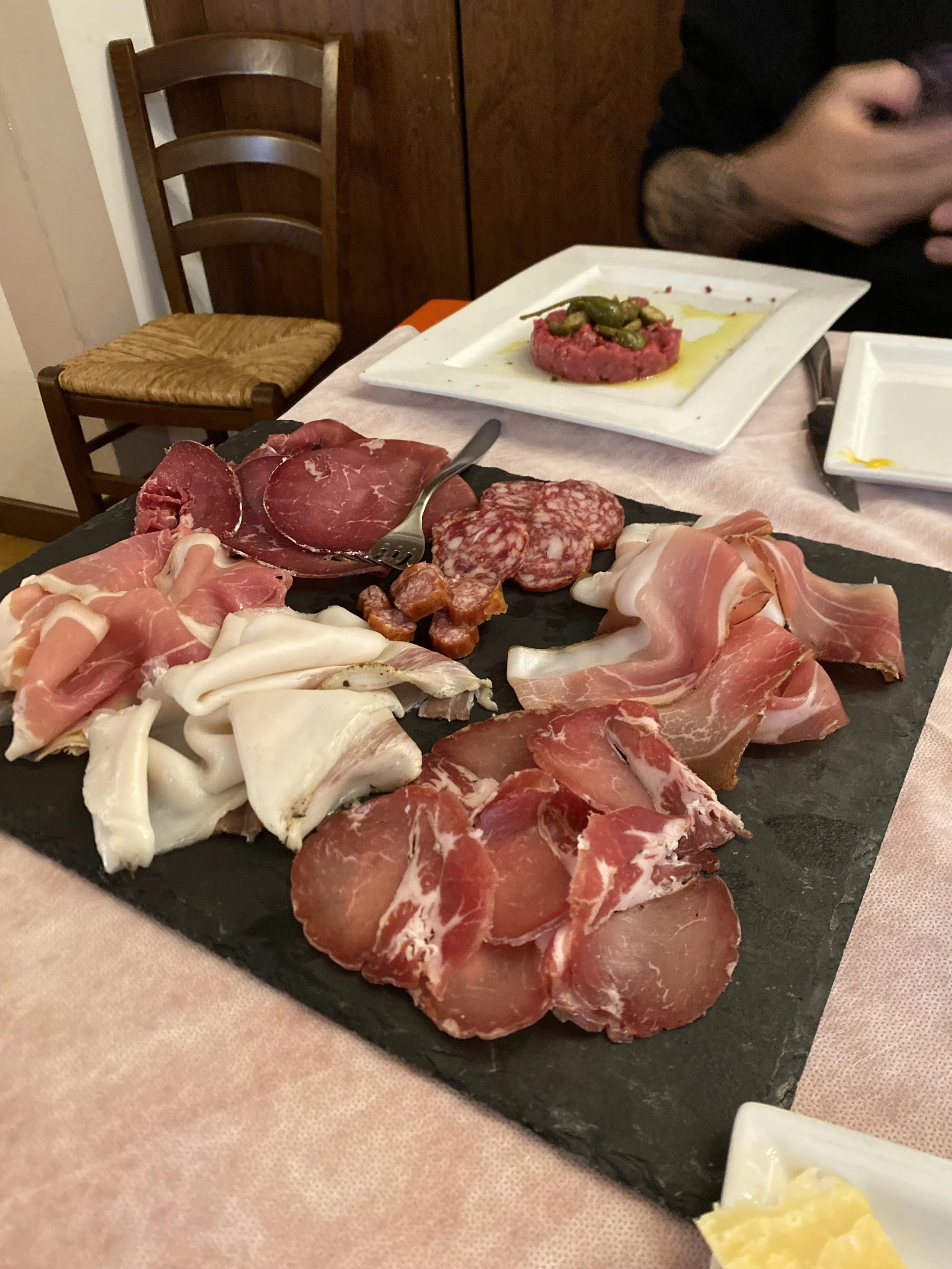
Italian Easter tables also feature mixed cured meats, pecorino cheese, and rustic bread, often accompanied by fresh fava beans (especially typical from Lazio southwards) and seasonal vegetables such as artichokes and asparagus. The table reflects traditional countryside customs and celebrates the simplicity of seasonal products.
Easter Sweets
To conclude the Easter lunch, sweet treats take center stage. The colomba pasquale is the most widespread dessert throughout Italy: a large, soft, dove-shaped cake studded with candied fruit and topped with almond glaze, a must on Easter tables.
Alongside the colomba, the true stars, especially for children, but now also for adults, are the chocolate Easter eggs. Large or small, milk, dark, or white chocolate, they always hide a surprise inside. Opening them together as a family is one of the most anticipated and fun moments of the day, a simple act that combines sweetness, tradition, and a touch of emotion.
Finally, there is the pastiera napoletana, typical of Naples and surrounding areas: a shortcrust pastry tart filled with cooked wheat, ricotta, citrus, and orange blossom water, now loved and prepared in many regions of Italy.
Easter Tourism in Italy
Holy Week and the Easter period represent one of the first peak travel moments in Italy. Since Easter Sunday and Pasquetta Monday are national holidays, most Italians have time off, and many take the opportunity for short weekend trips. It’s the perfect time to enjoy spring, take walks outdoors, and visit villages, blooming countryside, and even coastal areas.
Art cities like Florence, Rome, or Naples become crowded with tourists, both local and international, and are particularly lively. Anyone planning to eat out or visit attractions during this period should book in advance and check opening hours, as many restaurants and museums may have limited schedules over the holidays.
Easter in Italy is not just a religious celebration; it is an experience that combines traditions, culture, flavors, and the beauty of spring. If you dream of experiencing it firsthand, Dolce Italy Escape can help you create a tailor-made itinerary, from historic processions to typical dishes and breathtaking landscapes, for an authentic Italian Easter experience. Contact us at dolceitalyescape@gmail.com
