Historic villas and gardens in Italy
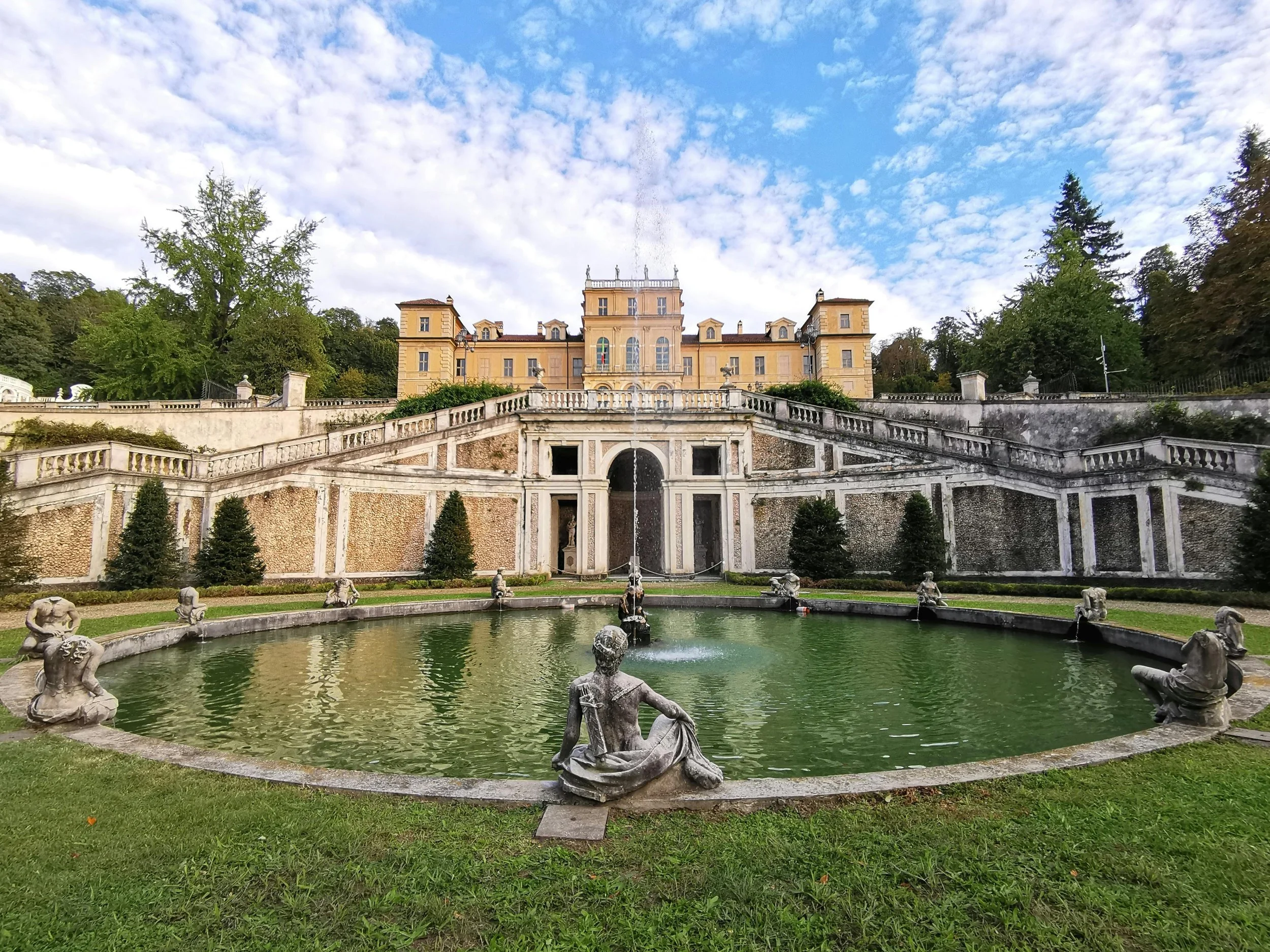
Villa della Regina (Torino)
Italy is home to villas of every size and style, each with its own unique charm. Some have been meticulously restored, while others have experienced periods of neglect, and many have been transformed into hotels, wedding venues, or locations for special events. Italian villas, with their expansive gardens and elegant spaces, offer the opportunity to enjoy unique experiences both inside the historic residences and outdoors, among terraces, courtyards, and meticulously maintained parks.
Historically, many of these villas were the residences of nobles, famous writers, or prominent political figures. For example, on Lake Garda, Villa Feltrinelli was home to aristocrats and illustrious guests; in Florence, Villa Corsini hosted intellectuals and artists; while the famous Villa Reale of Monza was the residence of Italian monarchs. Each villa has its own story and preserves anecdotes from past eras: from aristocratic parties to the private lives of their inhabitants, up to the major cultural events or modern ceremonies that still take place within their walls and gardens today.
Visiting these villas is like taking a step back in time, admiring architecture and art, strolling among statues, fountains, and Italian-style gardens, while also understanding how these places remain vibrant and in use in contemporary life. Among the many villas I have had the privilege to discover, a few stand out for their beauty, history, and scenery. In this article, I will take you from northern to southern Italy through three unmissable historic residences: Villa del Balbianello on Lake Como, Villa d’Este in Tivoli, and the Royal Palace of Caserta.
Villa del Balbianello (Lake Como, Lombardy)
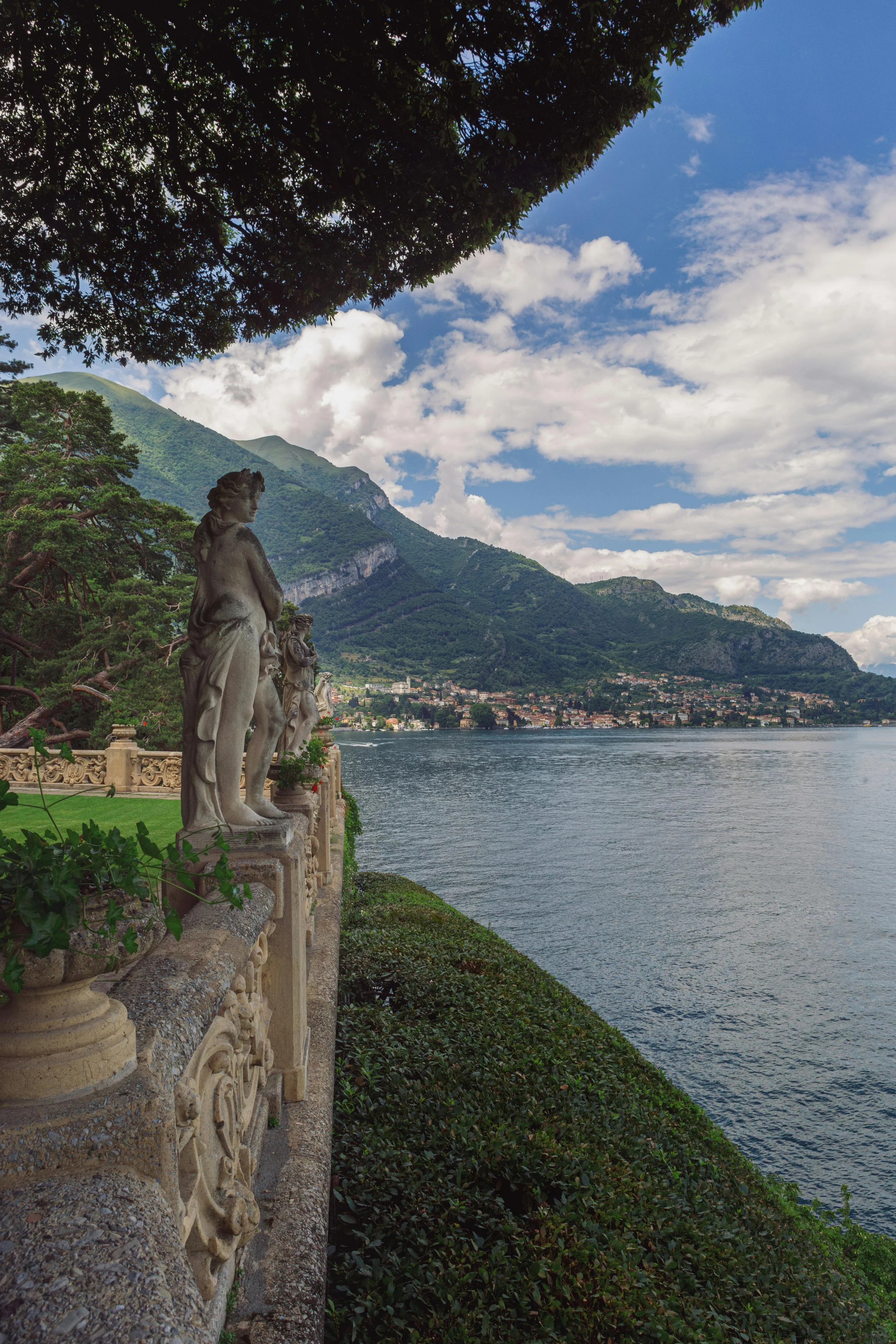
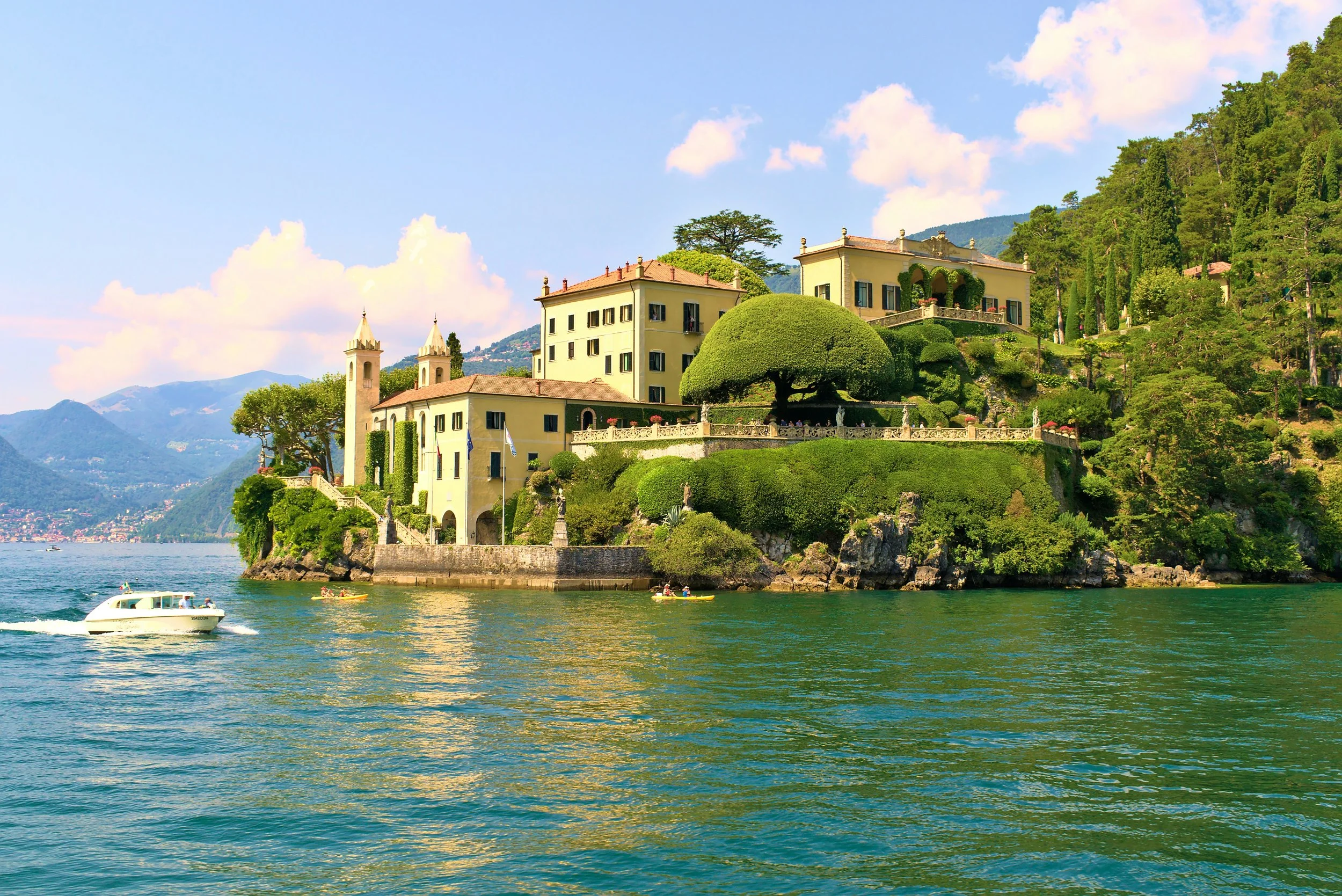
Located on the tip of the Lenno peninsula in the municipality of Tremezzina, overlooking the western shore of Lake Como in Lombardy, Villa del Balbianello is one of Italy’s most iconic historic residences. The villa was built in 1787 for Cardinal Angelo Maria Durini on the site of a former Franciscan convent and over the centuries hosted nobles and prominent figures. Its charm comes from both the refined architecture and the terraced gardens that descend sharply to the lake, offering spectacular views.
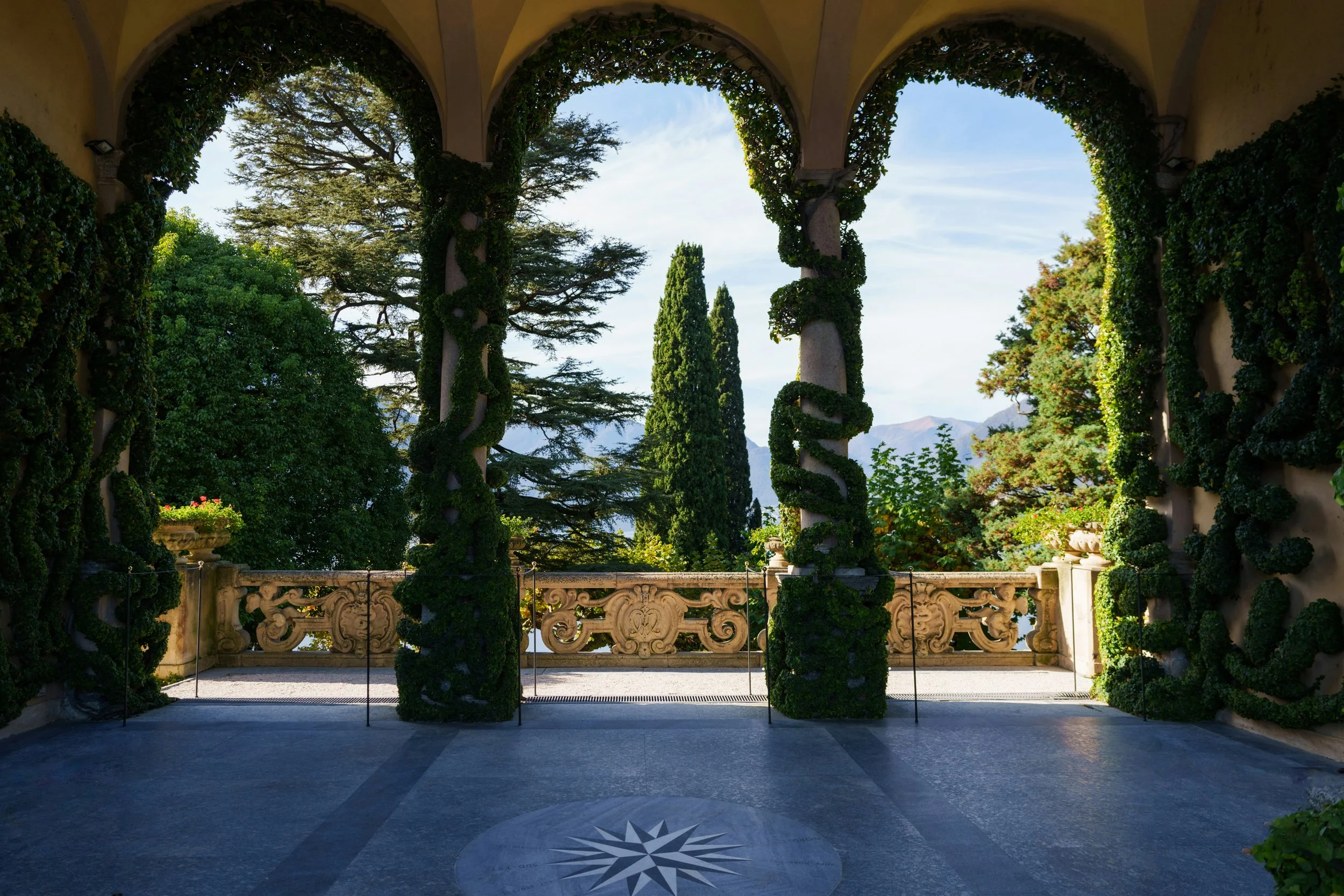
Among the villa’s most famous owners was Count Guido Monzino, an explorer and entrepreneur, who was the last private owner. Upon his death in 1988, Monzino left the villa to the Fondo Ambiente Italiano (FAI), which today manages its preservation and public access. Villa del Balbianello is open to visitors, with a route allowing you to admire the elegant interiors and the Italian-style gardens with staircases, pergolas, and panoramic views of the lake. The villa is also an exclusive location for weddings and events, thanks to its unique scenery and spacious outdoor areas.
Practical Information:
Prices: Entrance is around €45 per person, but always check the official FAI website for updates, as prices can change. For more information and to purchase tickets, visit: https://fondoambiente.it/luoghi/villa-del-balbianello
Opening Hours: Generally open from March to October, with morning and afternoon visits; always confirm on the FAI website.
Activities: Stroll through the gardens, enjoy the lake views, attend special events. Overnight stays are not allowed, but there are numerous charming hotels and B&Bs nearby.
Fun Fact: Villa del Balbianello has been featured in famous films, including Star Wars: Episode II – Attack of the Clones and Casino Royale from the James Bond series.
Villa d’Este (Tivoli, Lazio)
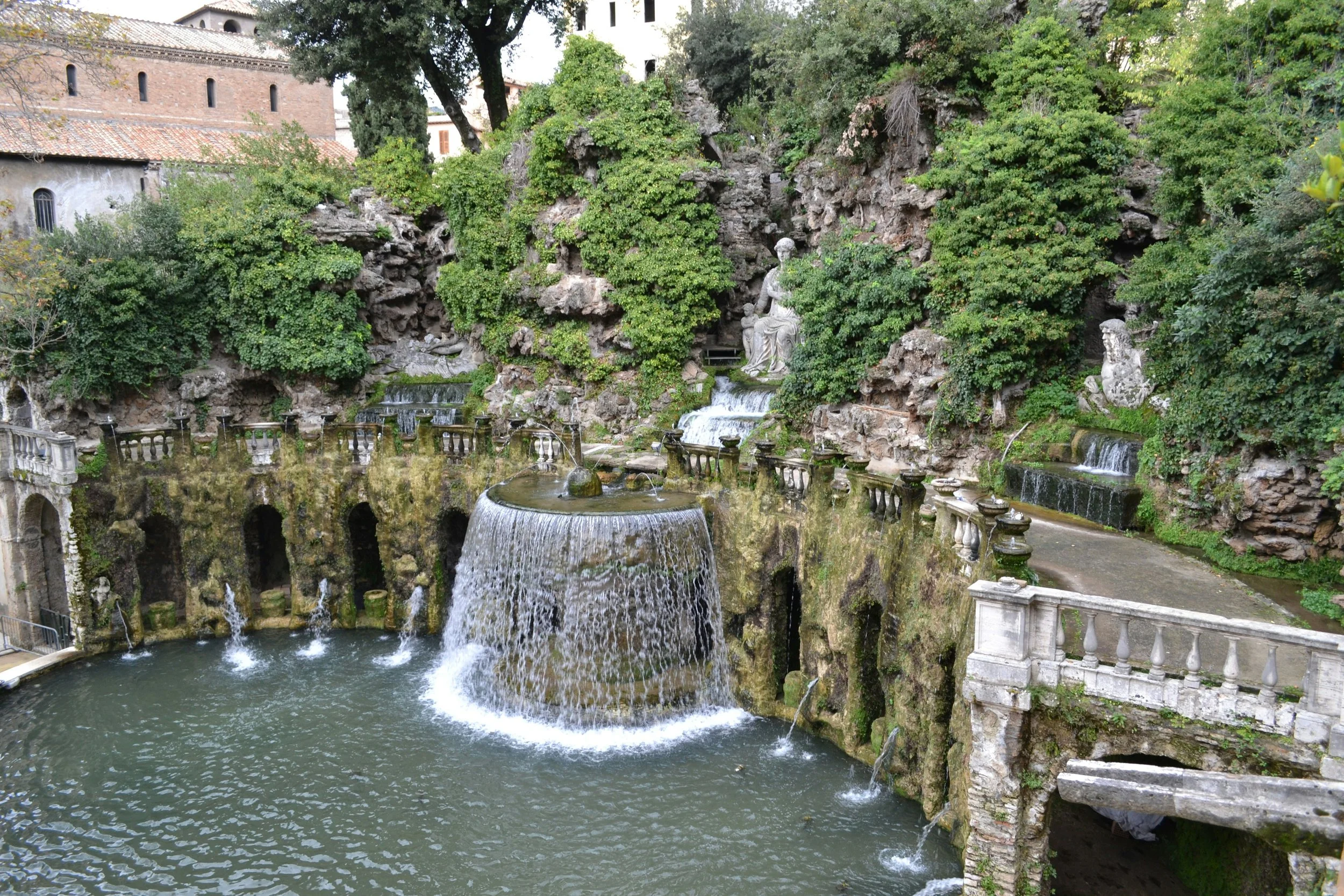
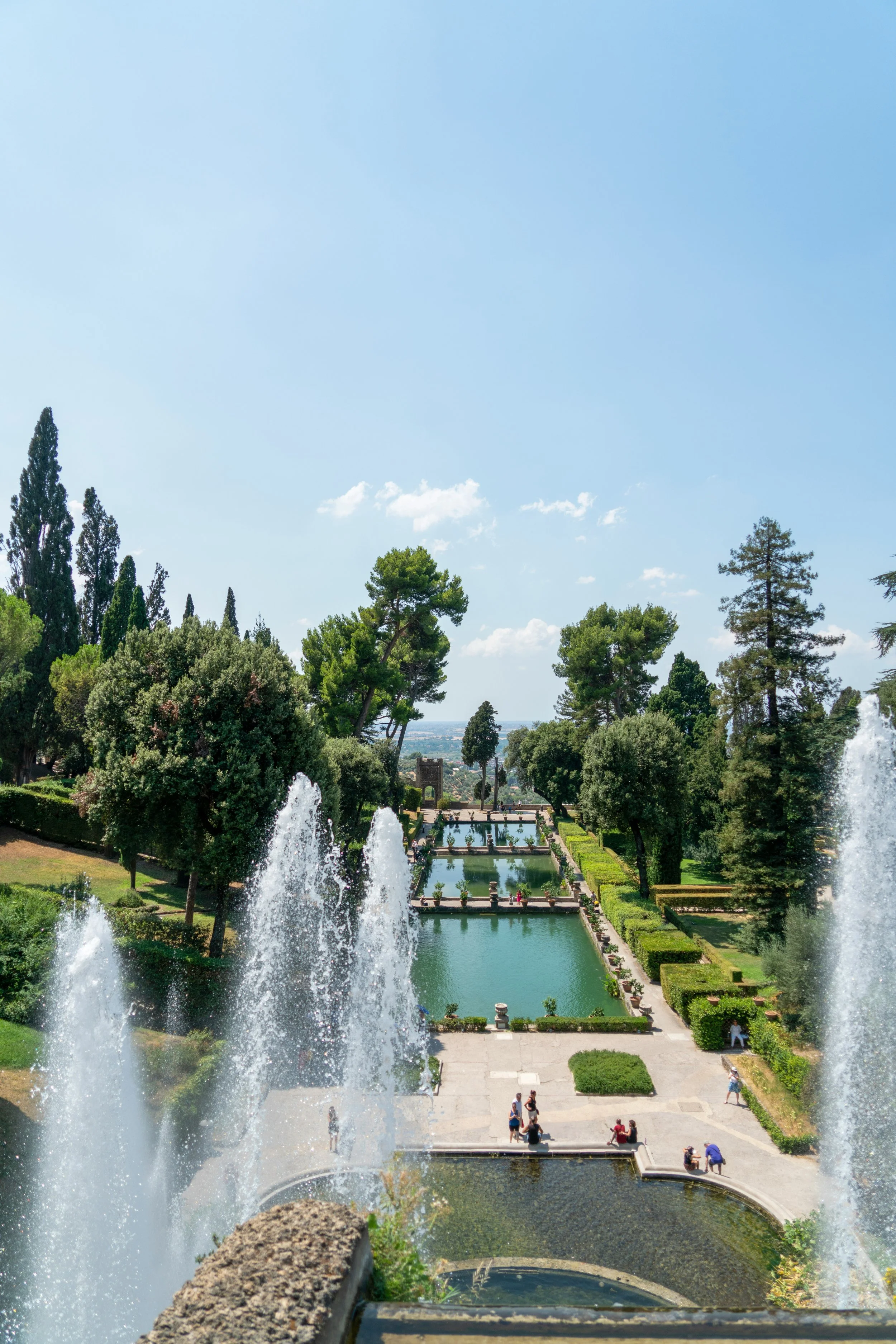
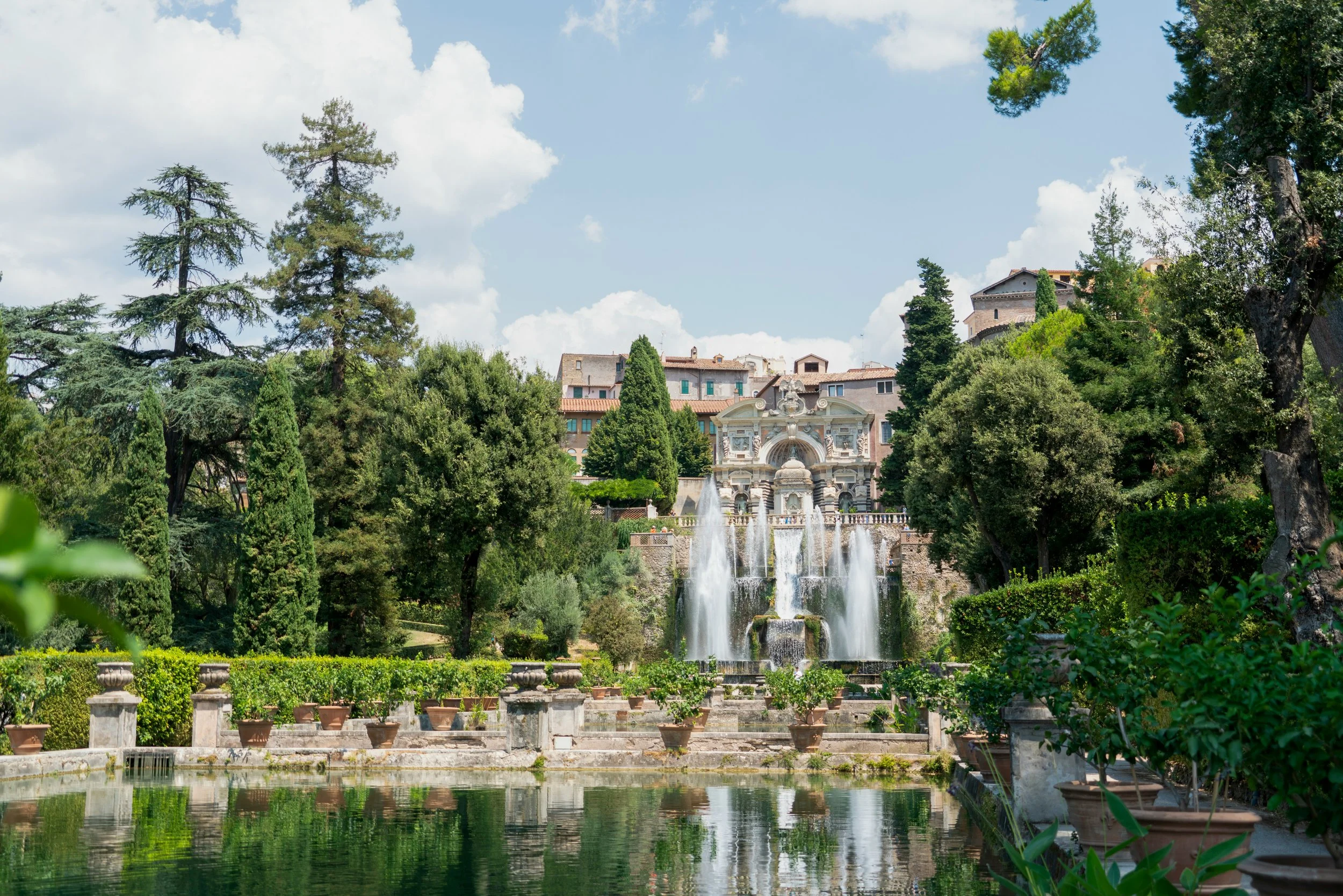
Located in Tivoli, just a few kilometers from Rome, Villa d’Este is renowned worldwide for its magnificent Italian-style gardens, filled with fountains, water features, and sculptures. The villa was built in the 16th century for Cardinal Ippolito II d’Este, son of the Duke of Ferrara, as a sumptuous residence and a symbol of the family’s power and refined taste. Its design and interior decoration were entrusted to the finest artists and architects of the era, making Villa d’Este a Renaissance masterpiece.
The villa’s gardens, a UNESCO World Heritage site since 2001, are considered one of the finest examples of Italian Renaissance gardens, with hundreds of fountains, pools, and water games creating spectacular scenery in every season. Over the centuries, the villa continued to host illustrious figures, and today it is state-owned and open to the public for cultural visits and garden strolls.
Practical Information:
Prices: Entrance is around €17 per person, though combined tickets (“Villae Pass”), reductions, and free admission days are available. Always check the villa’s official website for updates. For more information and to purchase tickets, visit: https://www.italy-museum.com/it/roma/villa-este-app
Opening Hours: Open year-round with variable morning and afternoon hours; some areas may be closed during special events.
Activities: Walk among fountains and gardens, take panoramic photos, attend cultural events. Overnight stays are not possible, but Tivoli offers many hotels and B&Bs.
Fun Fact: The combination of art, water, and landscape has made Villa d’Este one of Italy’s most photographed and visited residences, inspiring artists, writers, and filmmakers over the centuries.
Royal Palace of Caserta (Caserta, Campania)
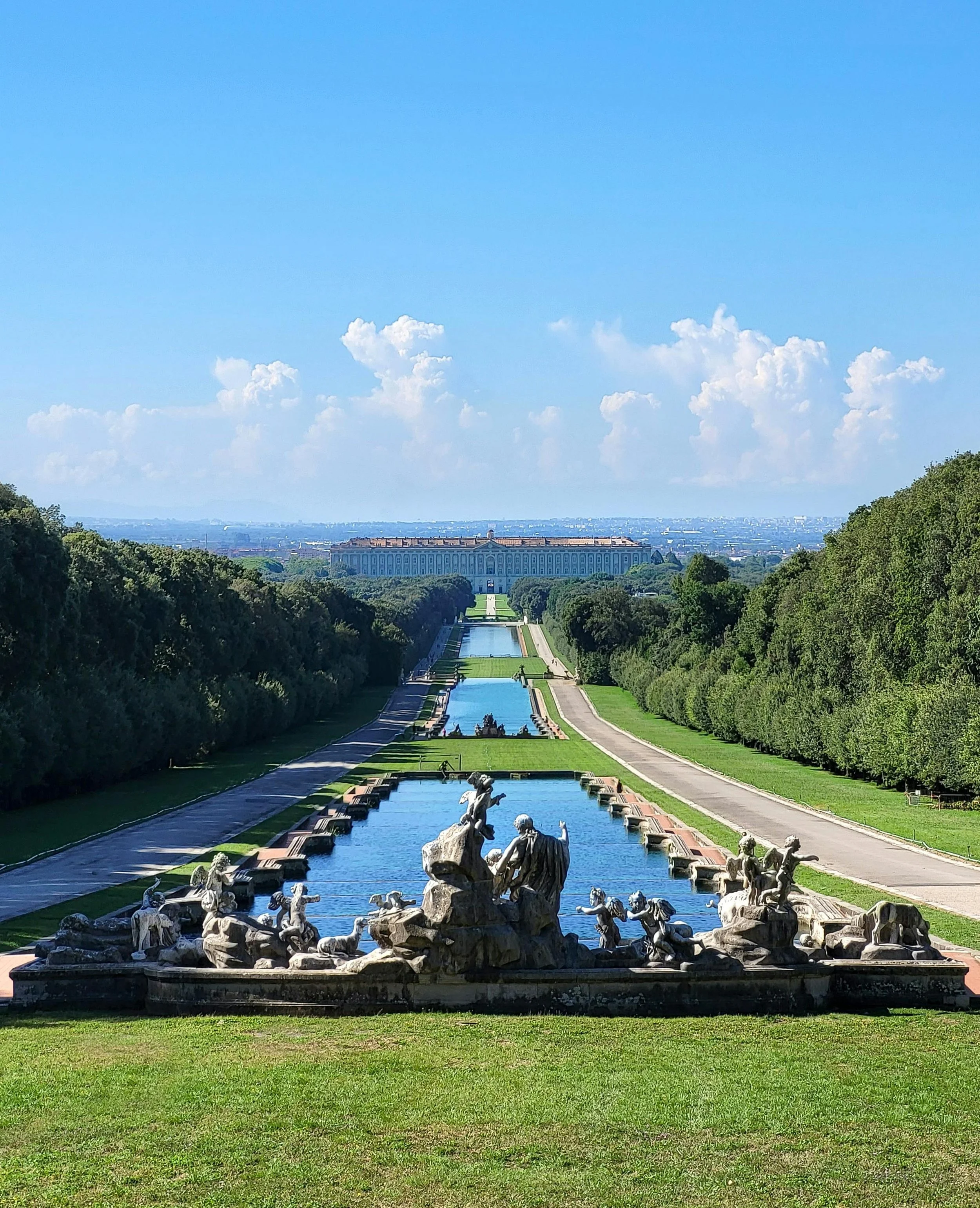
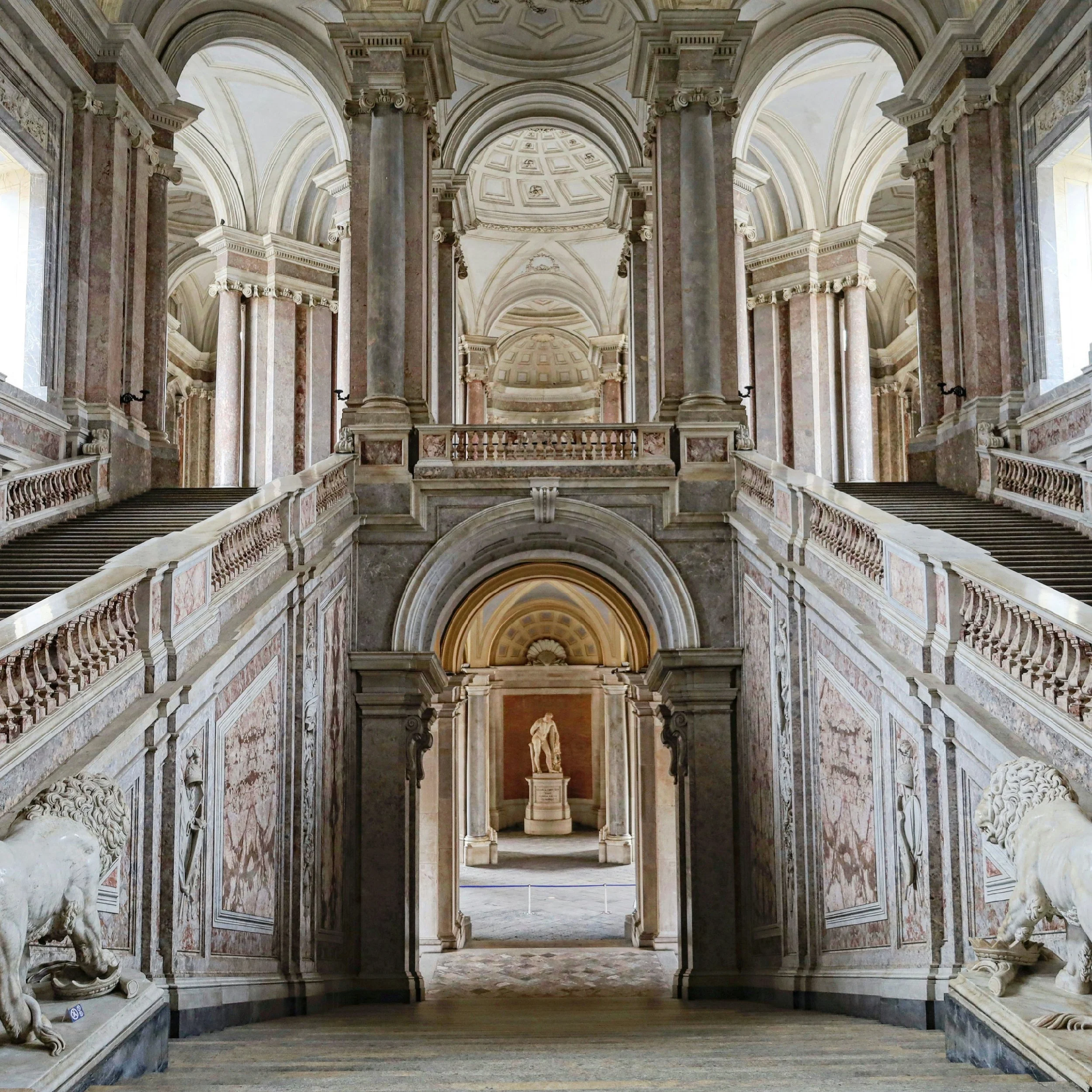
Located in Caserta, Campania, the Royal Palace of Caserta is one of the most imposing and spectacular royal palaces in Europe. It was built in the 18th century by order of Charles of Bourbon, King of Naples, with the intent to create a residence worthy of Europe’s great courts and capable of rivaling Versailles. The project was entrusted to architect Luigi Vanvitelli, who designed a monumental complex with over 1,200 rooms, inner courtyards, grand staircases, and an immense park stretching for kilometers.
The palace and its entire complex — including the main building, park, English Garden, and Carolino Aqueduct — have been a UNESCO World Heritage Site since 1997, recognized for their extraordinary architectural and landscape value. Monumental fountains, cascading waterfalls, and the park’s scenic perspectives make a visit truly unique.
Over the centuries, the palace served as the royal residence of the Bourbons and a symbol of their power. After the unification of Italy, it became state property and is now open to the public as a museum, attracting visitors from around the world.
Practical Information:
Prices: Entry is around €12, depending on whether you visit the palace, park, or combined ticket; reductions and free days are available. Always check the official website for updates. For more information and to purchase tickets, visit: https://reggiadicaserta.cultura.gov.it/biglietti/
Opening Hours: Generally open year-round (closed on Tuesdays), though hours may vary between the palace and gardens.
Activities: Visit the Royal Apartments, walk along the park’s grand avenues to the Great Cascade, explore the English Garden. Overnight stays are not possible, but nearby hotels and accommodations are available.
Fun Fact: The Royal Palace of Caserta has been used as a filming location for numerous international productions, including scenes from Star Wars, thanks to its monumental architecture and spectacular interiors.
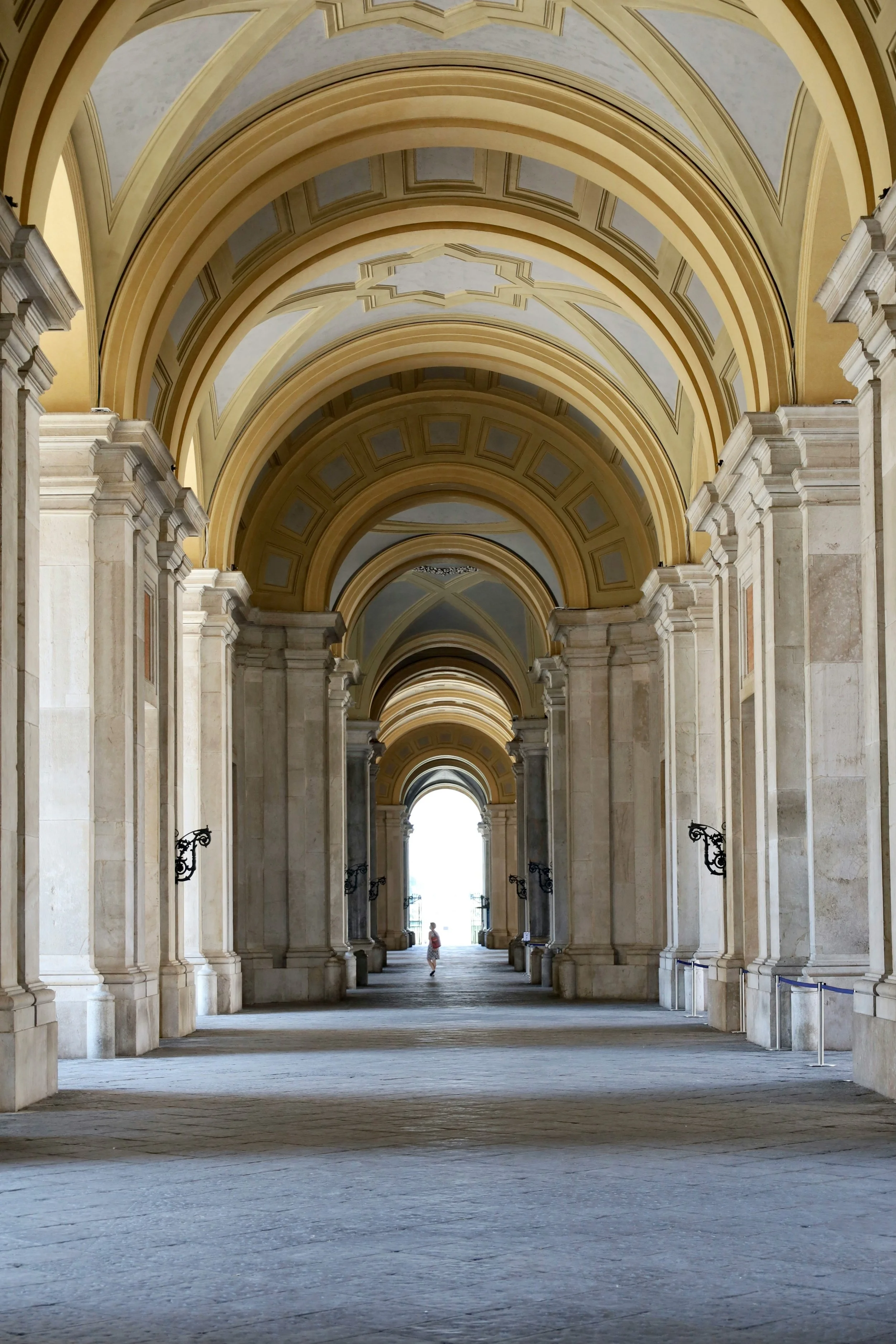
Visiting these historic villas is truly a journey through Italian history and art. I especially loved the Royal Palace of Caserta, but there are other extraordinary residences to discover, such as the Vittoriale degli Italiani on Lake Garda or Villa Molin in Padua. Italian historic villas offer the chance not only to admire stunning interiors and gardens but also to better understand the country’s cultural heritage and the lives of nobles, writers, and political figures who lived there. Each villa tells a unique story and allows visitors to explore Italy through its architecture, gardens, and works of art, creating unforgettable experiences for lovers of history, beauty, and timeless atmospheres.
If you dream of visiting these villas and creating a tailor-made itinerary from northern to southern Italy, Dolce Italy Escape can help you plan your trip with personalized advice on what to see, where to stay, and how to fully enjoy the magic of Italian villas.
Contact us at: dolceitalyescape@gmail.com
