Pompeii: the ancient city frozen in time
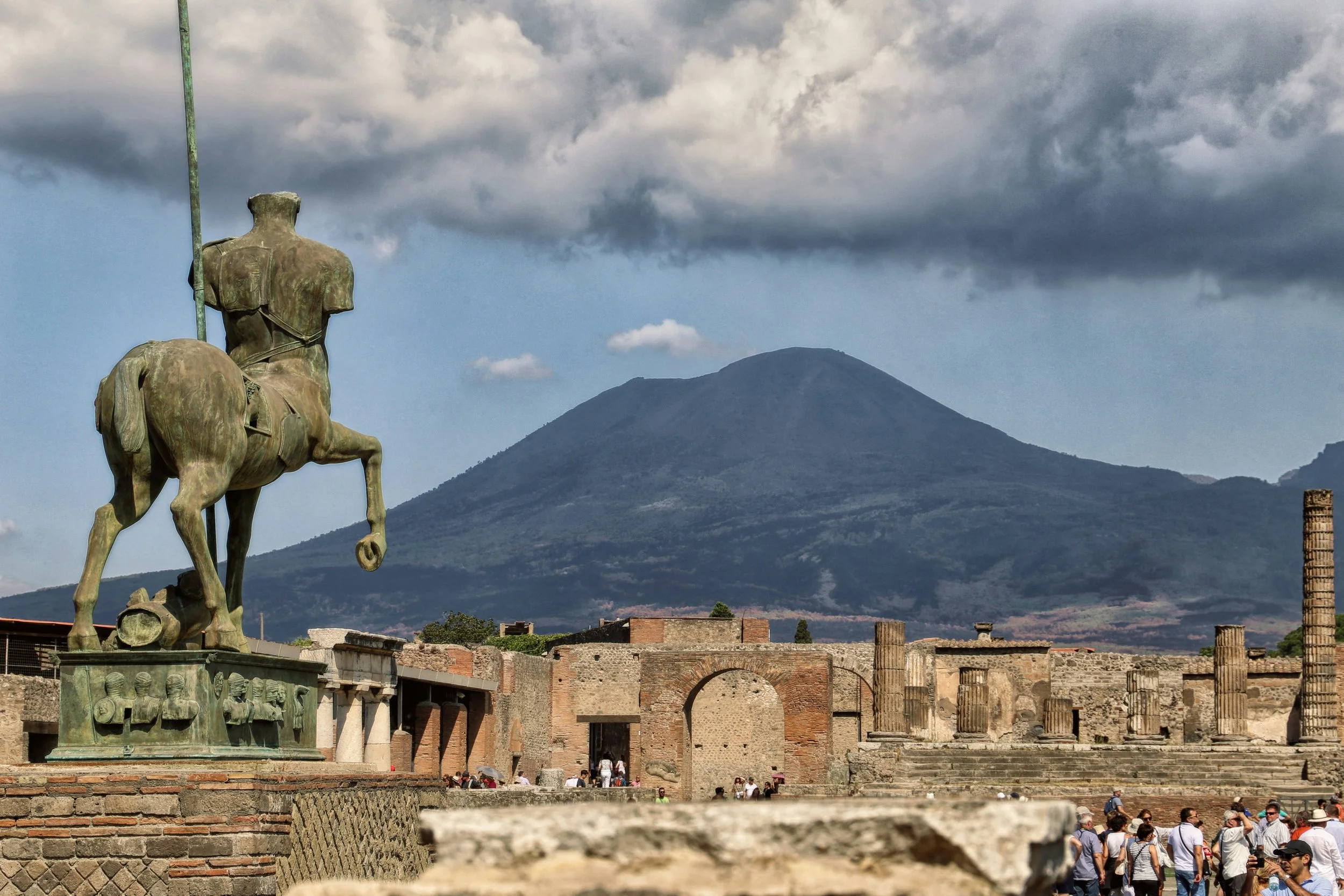
Pompeii, located at the foot of Mount Vesuvius, has a history dating back at least to the 8th century BC. It was initially a settlement of the Oscans, an Italic people. Over the centuries, the city was conquered and influenced by the Greeks and later the Samnites, until it became a Roman colony in 80 BC, under the name Colonia Cornelia Veneria Pompeianorum. Thanks to its strategic position near the sea and the fertile Campanian plain, Pompeii quickly became a flourishing commercial and cultural center, rich in temples, shops, theaters, and private villas decorated with extraordinary frescoes and mosaics.
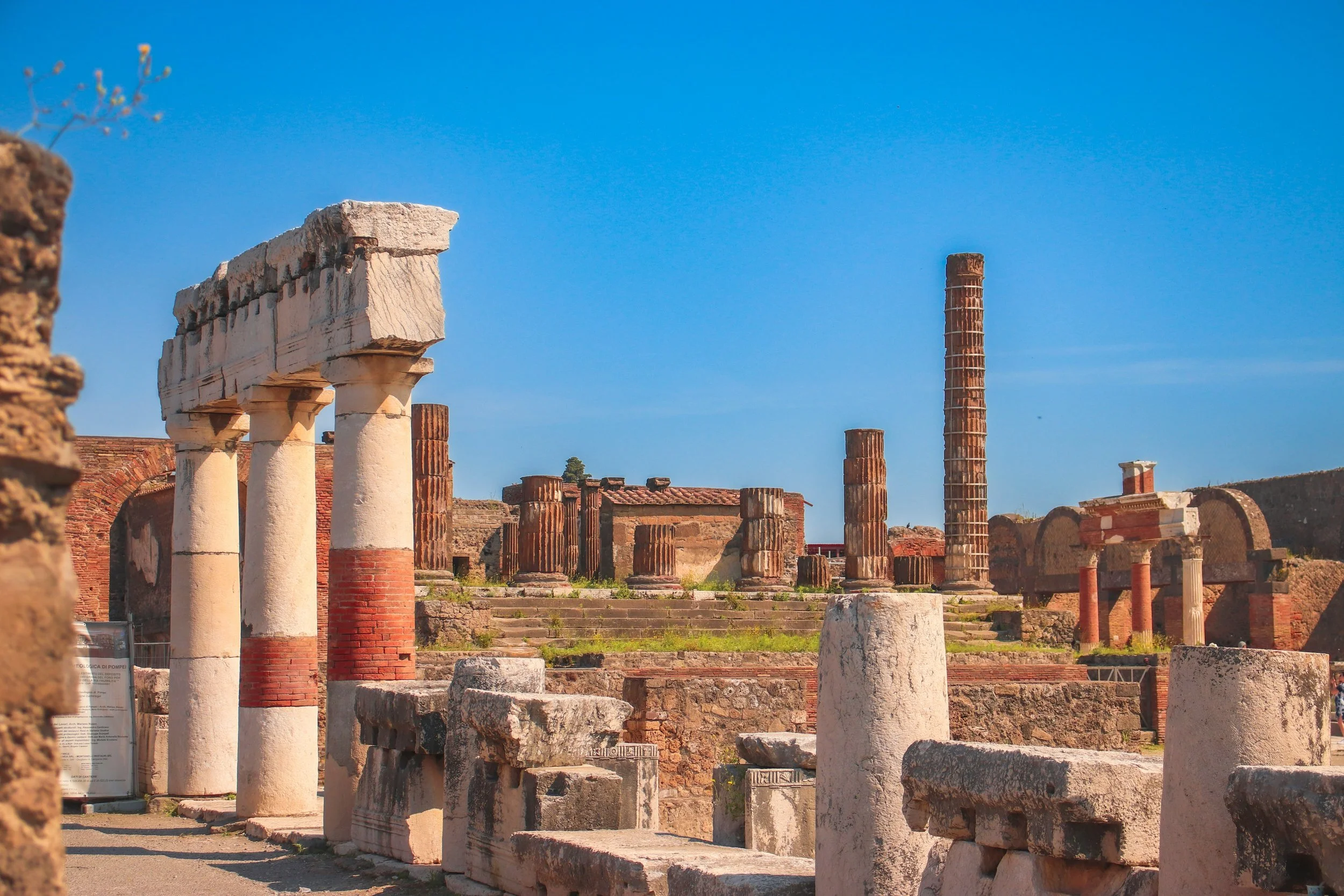
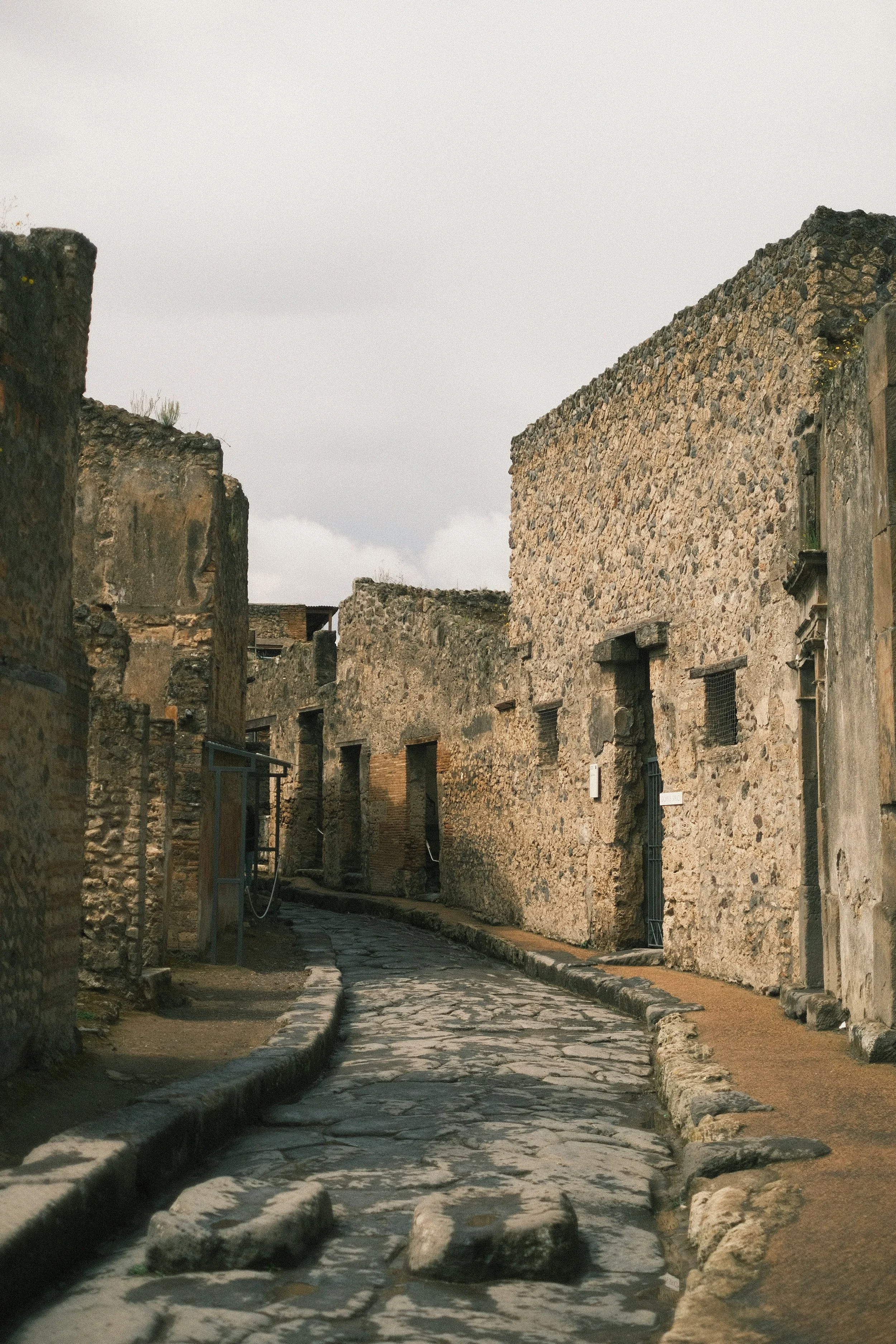
During the Roman era, Pompeii was a vibrant and cosmopolitan city, with an estimated population of around 20,000 inhabitants. The city was organized according to the Roman urban model, with a Forum at its heart serving political, religious, and commercial functions, paved streets, aqueducts, and thermal complexes that acted as true social hubs. The patrician houses and more modest dwellings were decorated with brightly colored frescoes, detailed mosaics, and interior gardens, while markets and temples, such as the Temple of Apollo, animated the daily life of the citizens.
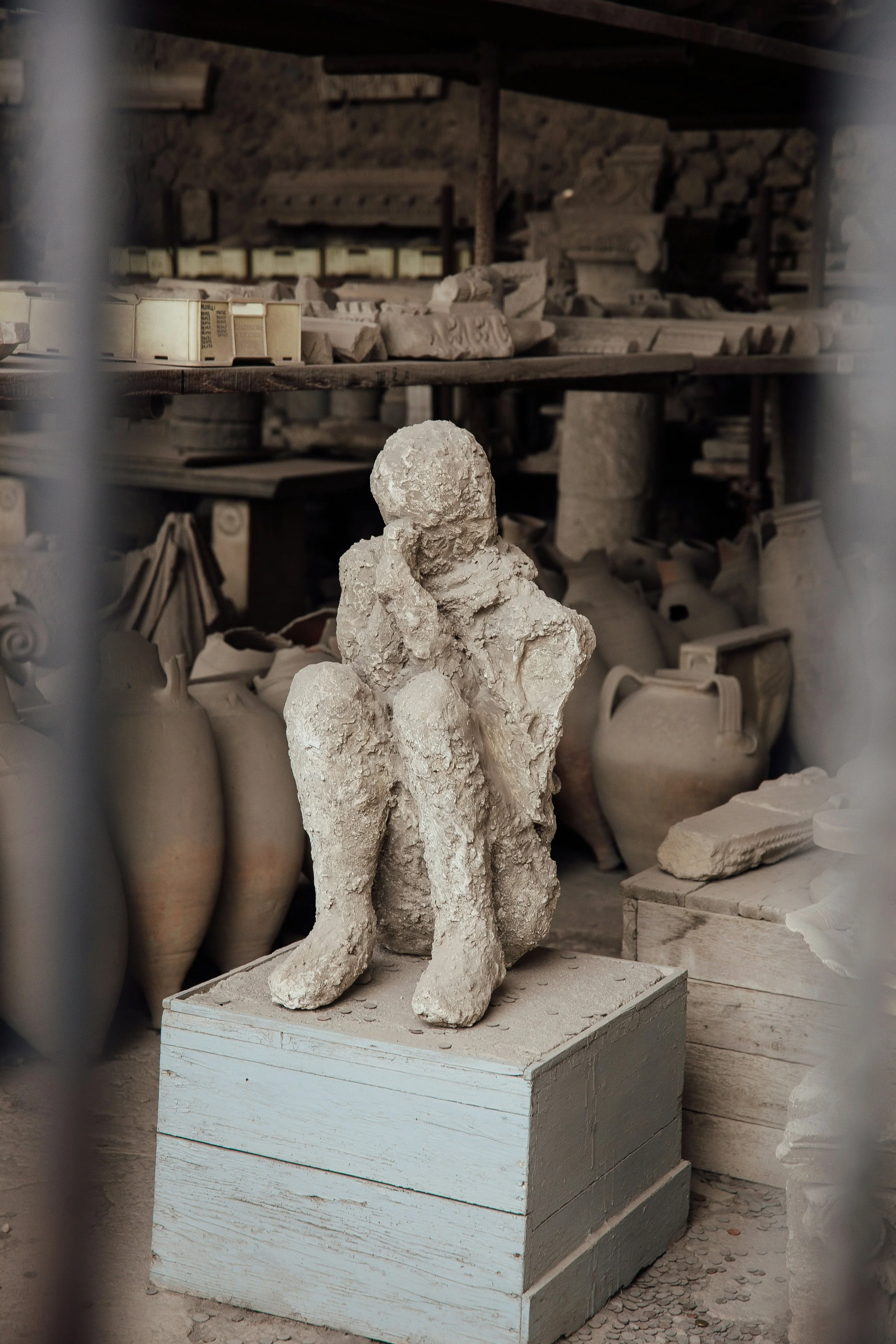
In AD 79, on August 24 according to ancient sources, Pompeii was overwhelmed by the eruption of Mount Vesuvius, a catastrophic event that buried the city under meters of ash and pumice. This tragedy, although destructive, had the extraordinary effect of preserving structures, frescoes, mosaics, and even traces of daily life. The city remained buried and forgotten until the 18th century, when archaeological excavations began, bringing to light houses, theaters, baths, shops, and the famous casts of the victims’ bodies.
Today, Pompeii is a unique testament to Roman life, a true journey through time that allows visitors to closely observe the architecture, art, and daily habits of an ancient city. The combination of history, culture, and natural scenery with Vesuvius in the background makes Pompeii one of the most fascinating and visited archaeological sites in the world. In the following sections, I’ll guide you through the must-see places within the ruins.
Main Attractions
A 2–3 hour itinerary is ideal for a first overview of Pompeii, especially if you are visiting independently or joining a short guided tour. However, considering the vast size of the archaeological site, you could easily spend half a day or even a full day exploring its streets, houses, and monuments in depth.
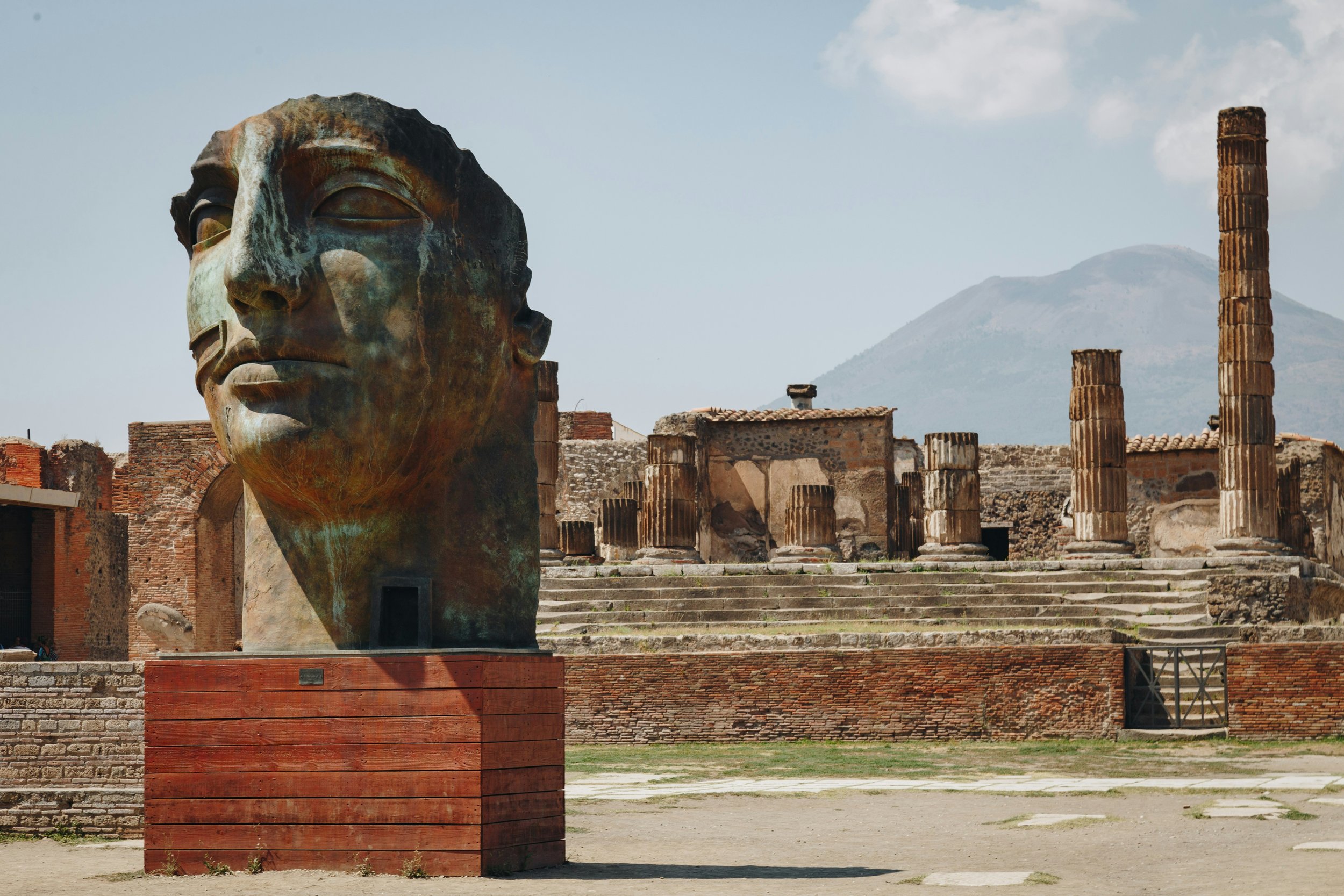
Begin at the Forum, the political and social heart of the city, with a spectacular view of Mount Vesuvius in the background. Continue through the colorful domus, such as the House of the Vettii or the House of the Faun, and make your way toward the Amphitheater, the oldest known in the Roman world.
Don’t miss the Baths with their hypocaust heating system, the Villa of the Mysteries with its famous frescoes, and many other buildings that reveal the daily life of ancient Pompeians.
Daily Life in Ancient Pompeii
The houses often had no external windows, but bright atriums that illuminated the interior spaces. Markets, such as the Macellum, and temples, like the Temple of Apollo, were key centers of city life. The vivid colors of the frescoes, especially Pompeian red, and the mosaics adorned floors and walls.
Pompeian society was stratified: patricians, free citizens, and slaves interacted daily. The baths were social hubs where people met to discuss, exercise, or simply relax. Imagine the buzz of the Forum, a banquet in a noble villa, or shops full of colorful goods along the main streets.
Practical Tips for Visitors
Visiting Hours: If you visit Pompeii in spring or autumn, you’ll find fewer crowds and milder temperatures, making it a more pleasant experience throughout the day. In summer, it’s best to go early in the morning or late afternoon to avoid the intense heat. Always bring water, a hat, and sunscreen.
For more information and to purchase tickets, visit: www.pompeiiruinstickets.com
Entrance: Enter via Piazza Anfiteatro and purchase tickets online to skip the lines. Audioguides and guided tours are highly recommended.
Combined Itineraries: You can combine your visit to Pompeii with trips to Vesuvius or Herculaneum.
For Families: Accessible paths are available; avoid the hottest hours of the day.
Curiosities and Legends
Pompeii holds unique details that fascinate visitors of all ages. These include the casts of the victims’ bodies, which tell stories of daily life frozen in time, and love graffiti inscribed on house walls, signs of ancient emotions and relationships. The famous “Pompeian red,” a bright color used in frescoes and decorations, is also visible today in museums displaying artifacts from the excavations.
Excavations are still ongoing, with new discoveries enriching our understanding of the city. During the summer, the “Pompei al fresco” program allows visitors to explore the archaeological site in cooler, quieter hours. Book now for a journey through time and experience the magic of Pompeii through its streets, houses, villas, and monuments that tell over two thousand years of history.
I had the fortune of visiting Pompeii and was truly amazed: it was a unique experience to walk through the ancient streets, admire the houses, and sense the daily life of the people who lived there two thousand years ago. The city is so vast and rich in treasures that every visit offers new discoveries, and I can’t wait to go back to explore even more.
If you’re interested in experiencing something similar, creating a tailored itinerary with unique destinations like Pompeii, you can contact me at dolceitalyescape@gmail.com for personalized advice and tips for an unforgettable journey through Italian history, art, and culture.
