When to visit Italy off-season
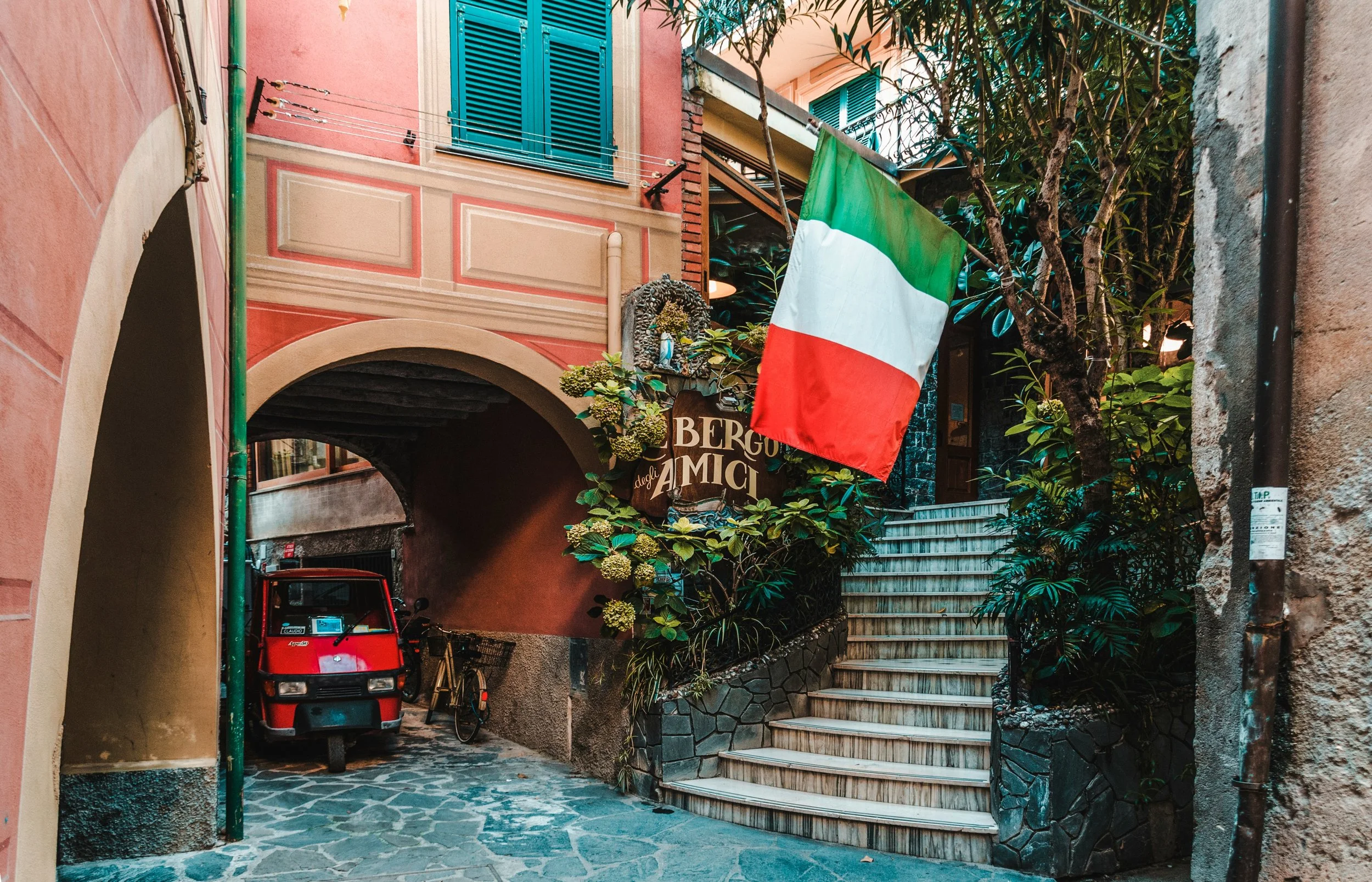
Traveling to Italy outside of the high season can offer a very different experience compared to the busiest times of the year.
After the Christmas holidays and the summer period, daily life returns to a calmer pace. Cities are more livable, museums can be visited at a relaxed pace, and it becomes easier to appreciate the beauty of the places without rushing.
Another advantage is that travel costs are often more convenient compared to peak periods such as summer, Christmas, or other major holidays. Flights and accommodations may offer greater availability and more flexible pricing.
Personally, living in the United States and flying to Italy 3-4 times a year, I know well how expensive it can be to organize a trip, considering intercontinental flights, accommodations, and transportation.
For this reason, when planning my trips, I often try to choose off-season periods. This not only allows me to find more advantageous travel options but also gives me the opportunity to experience Italy more calmly, avoiding the busiest months like July, August, or the Christmas holidays.
Over time, I’ve learned that traveling during these months allows you to discover a more authentic side of Italy: strolling through cities without hurry, visiting museums at a relaxed pace, and truly enjoying the places you visit.
The tips you’ll find in this article come from this experience and aim to help you organize a more relaxed, authentic, and enjoyable trip to Italy.
The best months to visit Italy off-season
The best period to visit Italy outside of high season depends largely on your interests and the type of experience you want to have.
Each month offers different destinations: some periods are ideal for visiting art cities, others for exploring the mountains, nature, or enjoying seasonal experiences related to gastronomy and local traditions.
One of Italy’s great advantages is the variety of its territory and climate. In the north, winters are generally colder, while the central regions enjoy milder temperatures for much of the year. Southern Italy, on the other hand, has a more temperate climate that is often pleasant even in winter, making it a good destination in many seasons.
This variety makes Italy a country that can be visited year-round, simply by choosing the destination that best suits the season.
January – February
January and February are part of Italy’s low tourist season, especially after the Epiphany, which marks the official end of the Christmas holidays.
These months are generally colder but ideal for visiting art cities and museums without the crowds typical of busier periods.
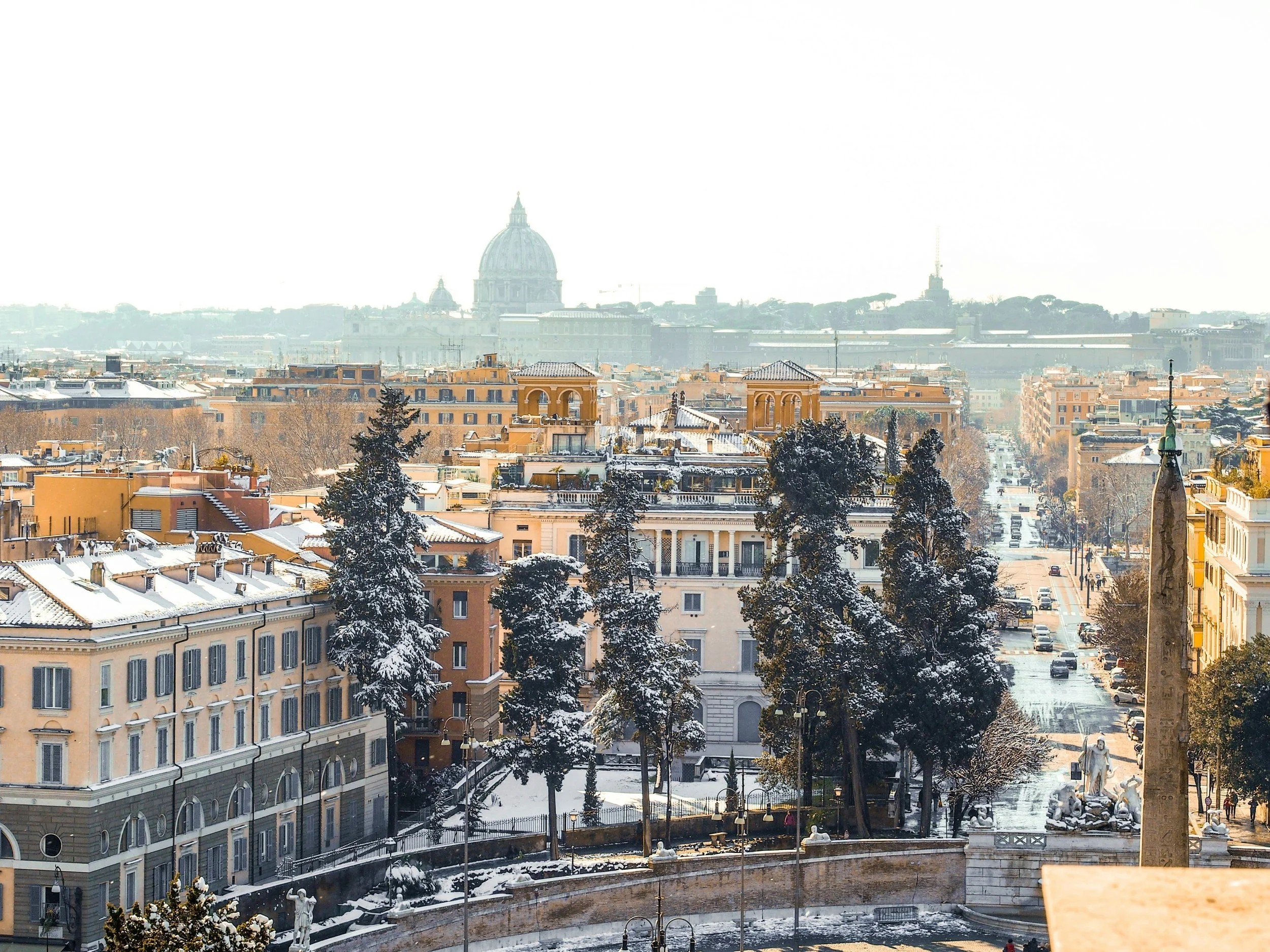
Destinations such as Rome, Florence, Milan, and Naples are perfect for exploring monuments, museums, and historic neighborhoods at a more relaxed pace.
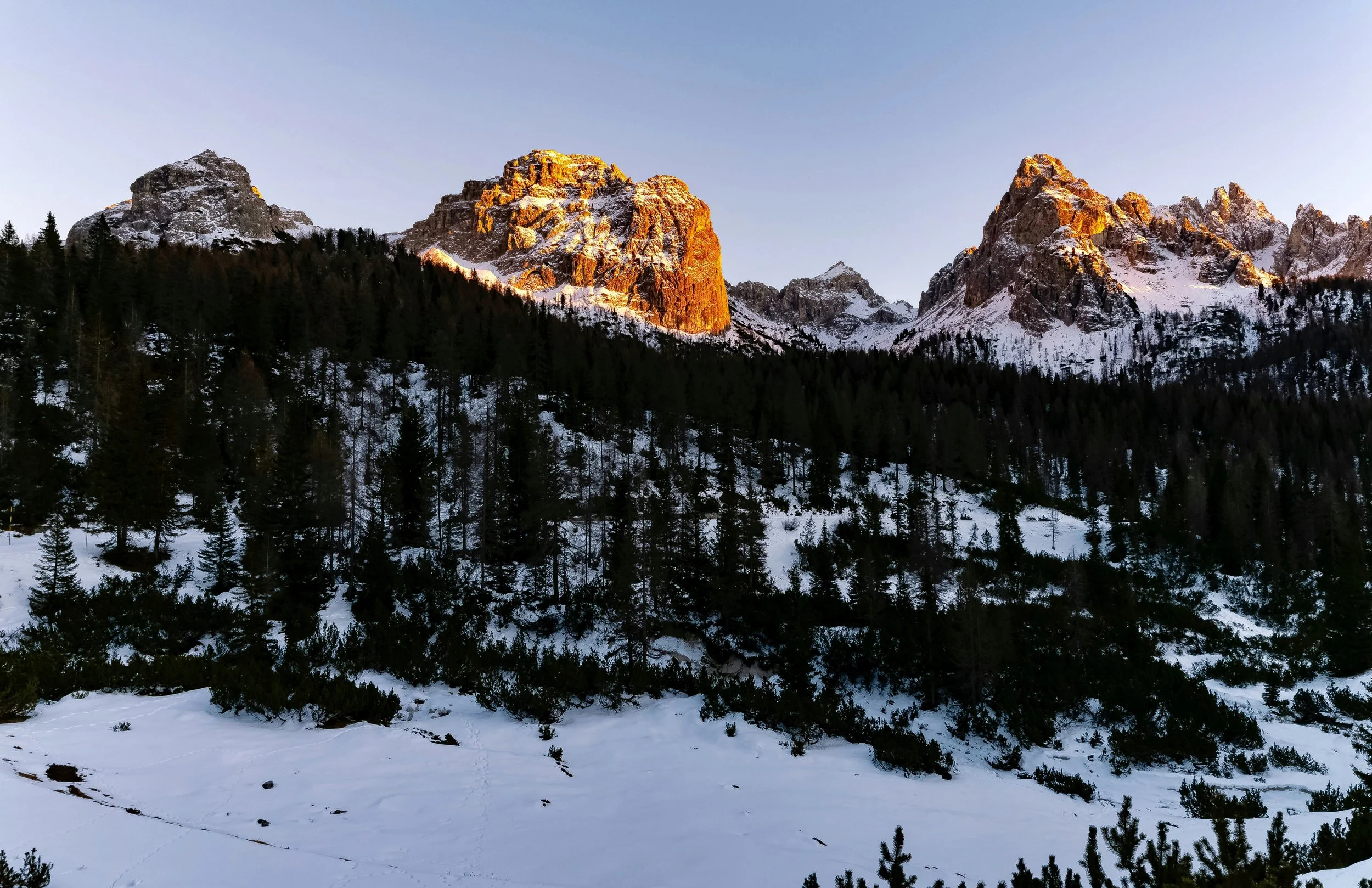
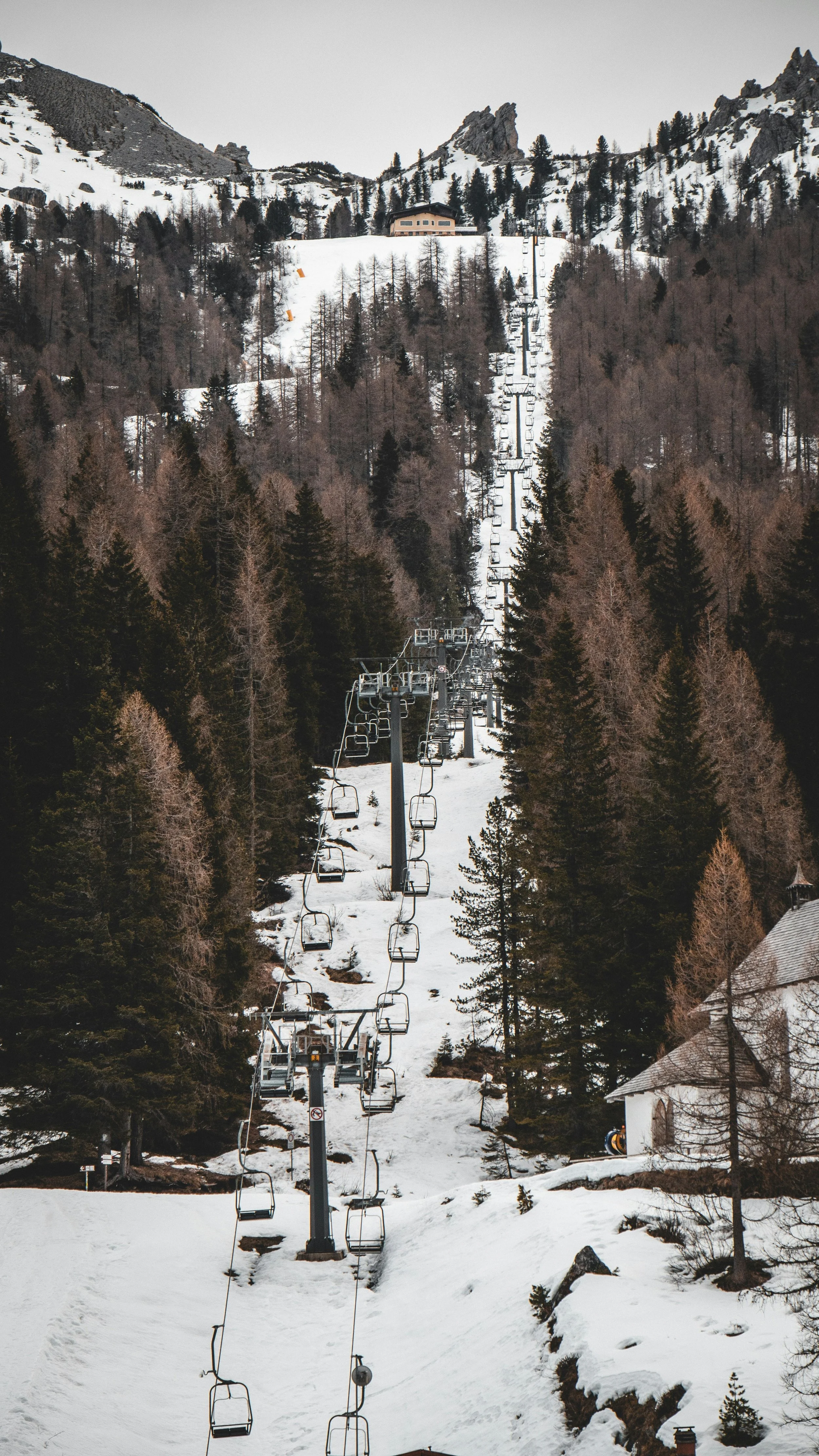
For those who love the mountains, this is one of the best periods to visit the Dolomites, where you can ski, hike in the snow, or relax in typical alpine lodges.
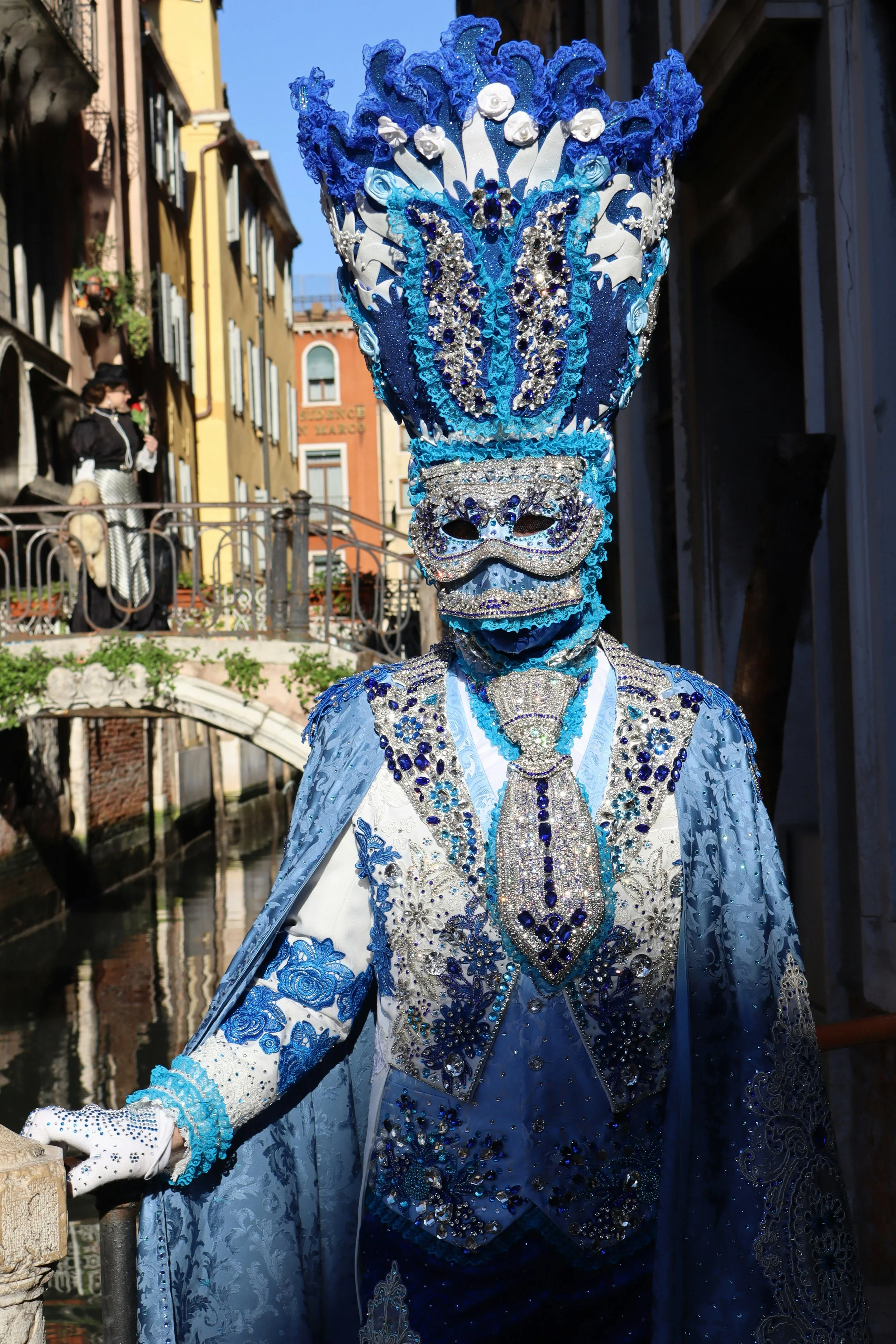
Another very famous event during this period is the Venice Carnival, one of the most renowned carnivals in the world, transforming Venice into a unique scene of historical masks and traditional festivities.
March – April
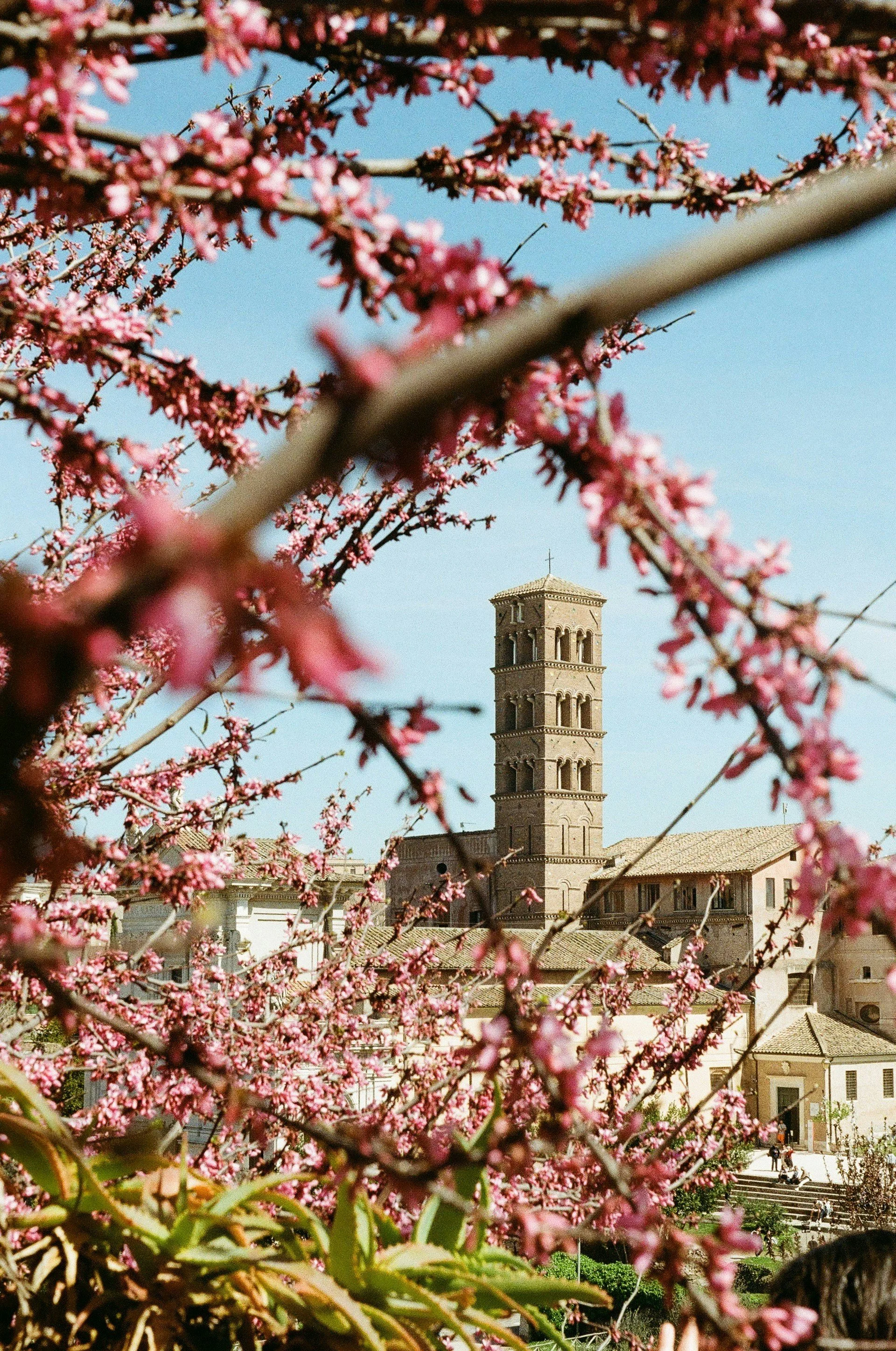
March and April mark the beginning of spring in Italy. Temperatures become milder, gardens begin to bloom, and many cities become particularly pleasant to explore on foot.
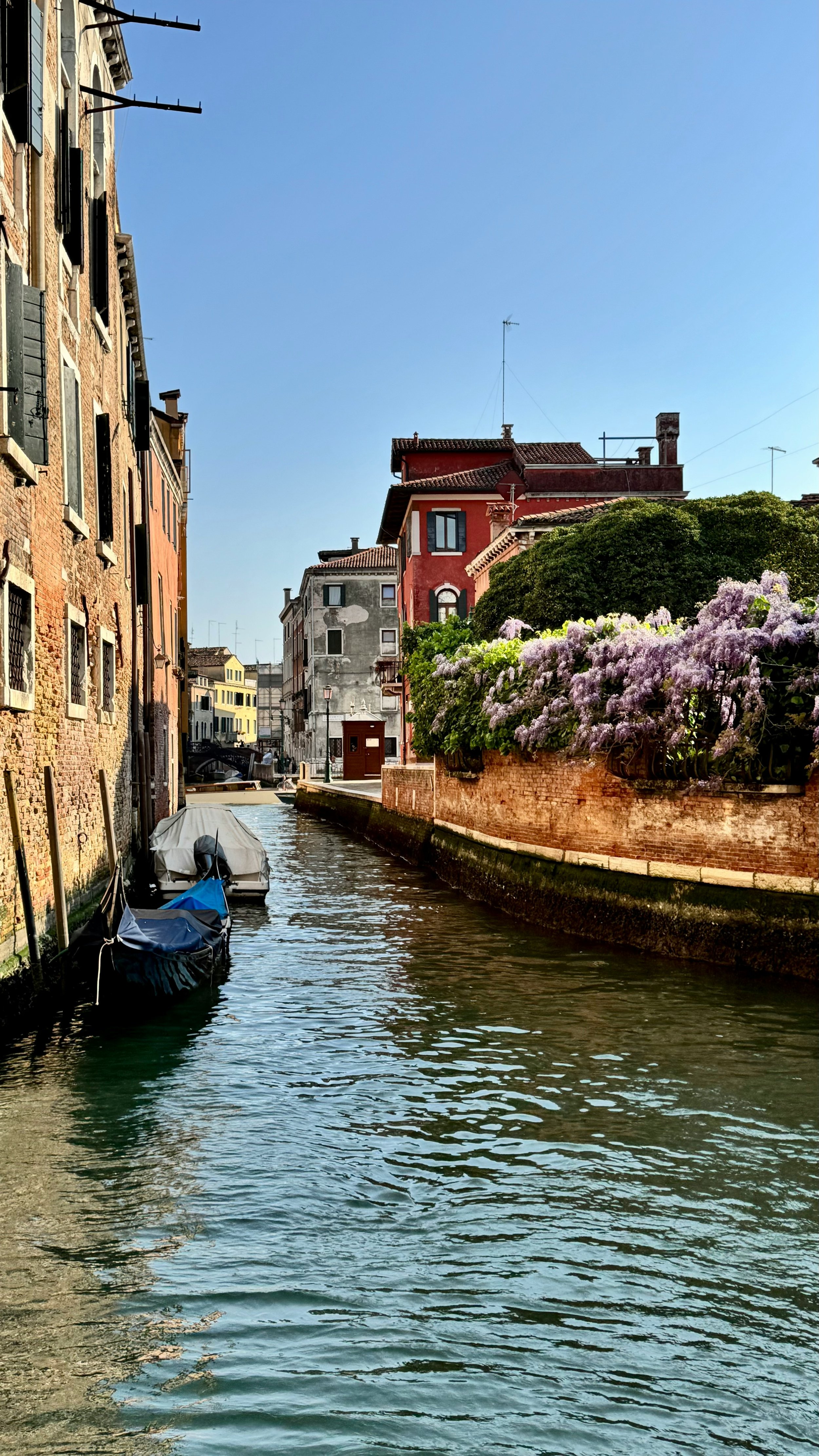
It is a great time to visit historic cities such as Rome, Florence, or Venice, when the atmosphere is lively but generally more relaxed than in summer.
During spring, many historic villas and gardens reopen to the public, offering beautiful blooms and scenic walks.
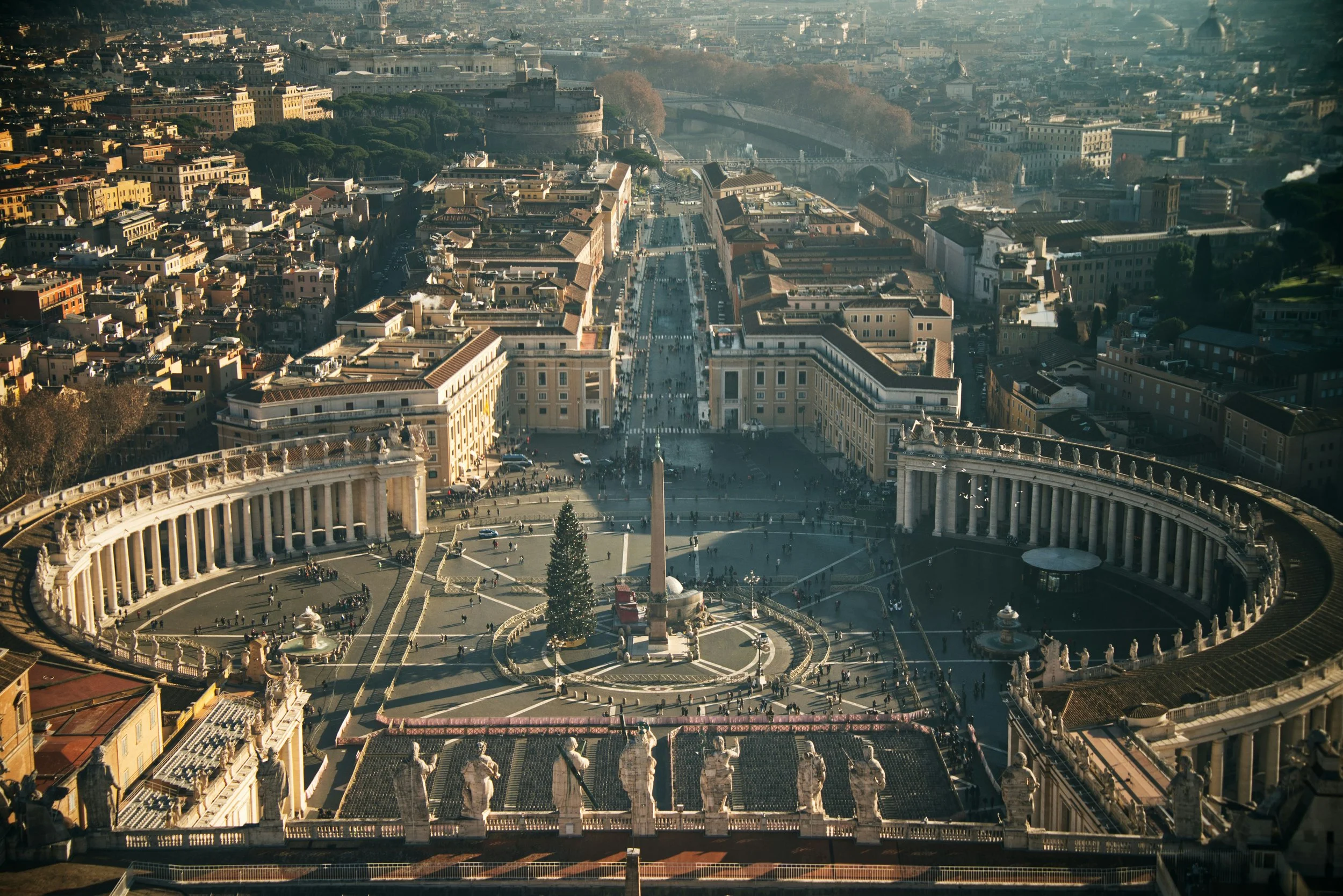
The Easter period is also full of religious traditions and local celebrations, especially in cities like Rome, where important religious events take place.
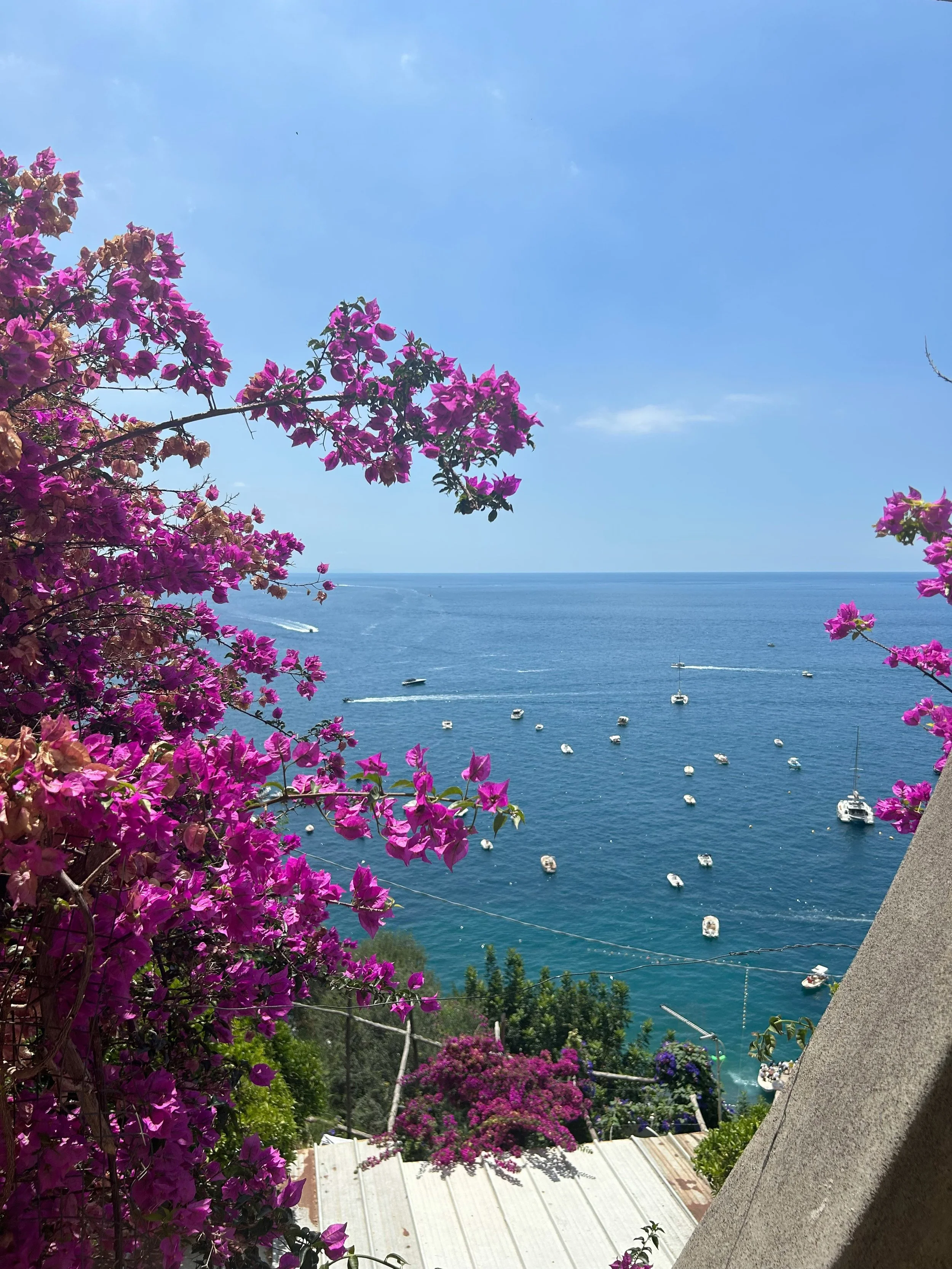
In southern Italy, destinations such as the Amalfi Coast, Sicily, or Puglia start to enjoy warmer days, ideal for seaside strolls and exploring coastal villages with more tranquility.
September
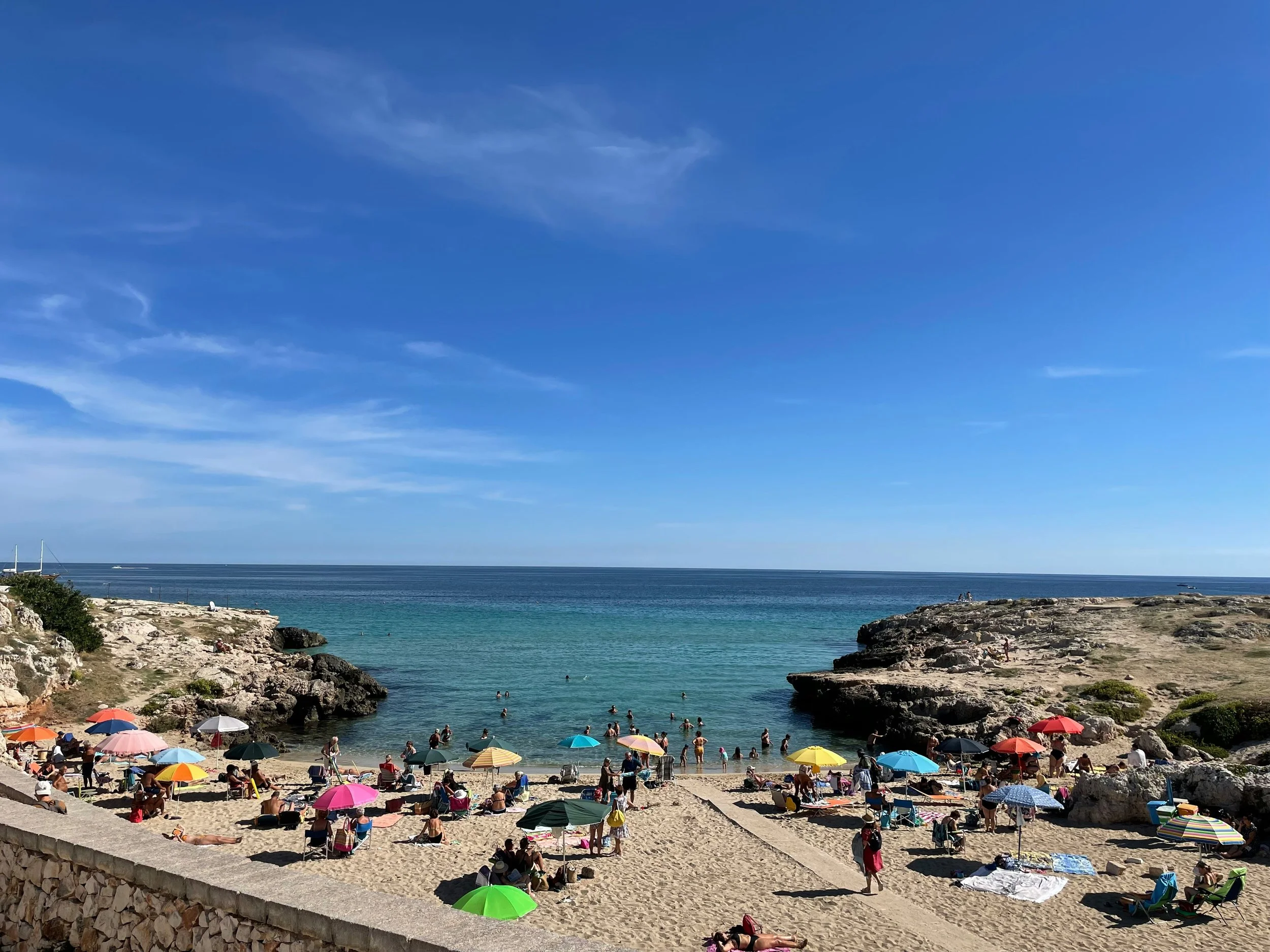
September is one of my favorite months to visit Italy. Summer vacations are ending, many people return to their daily routines, and many destinations become quieter compared to the peak summer months.
During this period, it is often easier to find accommodations with better availability and more convenient prices than in July and August. At the same time, the weather is generally still warm and pleasant, and the days are long, making this month ideal for exploring cities, visiting villages, or enjoying seaside destinations with a more relaxed atmosphere.
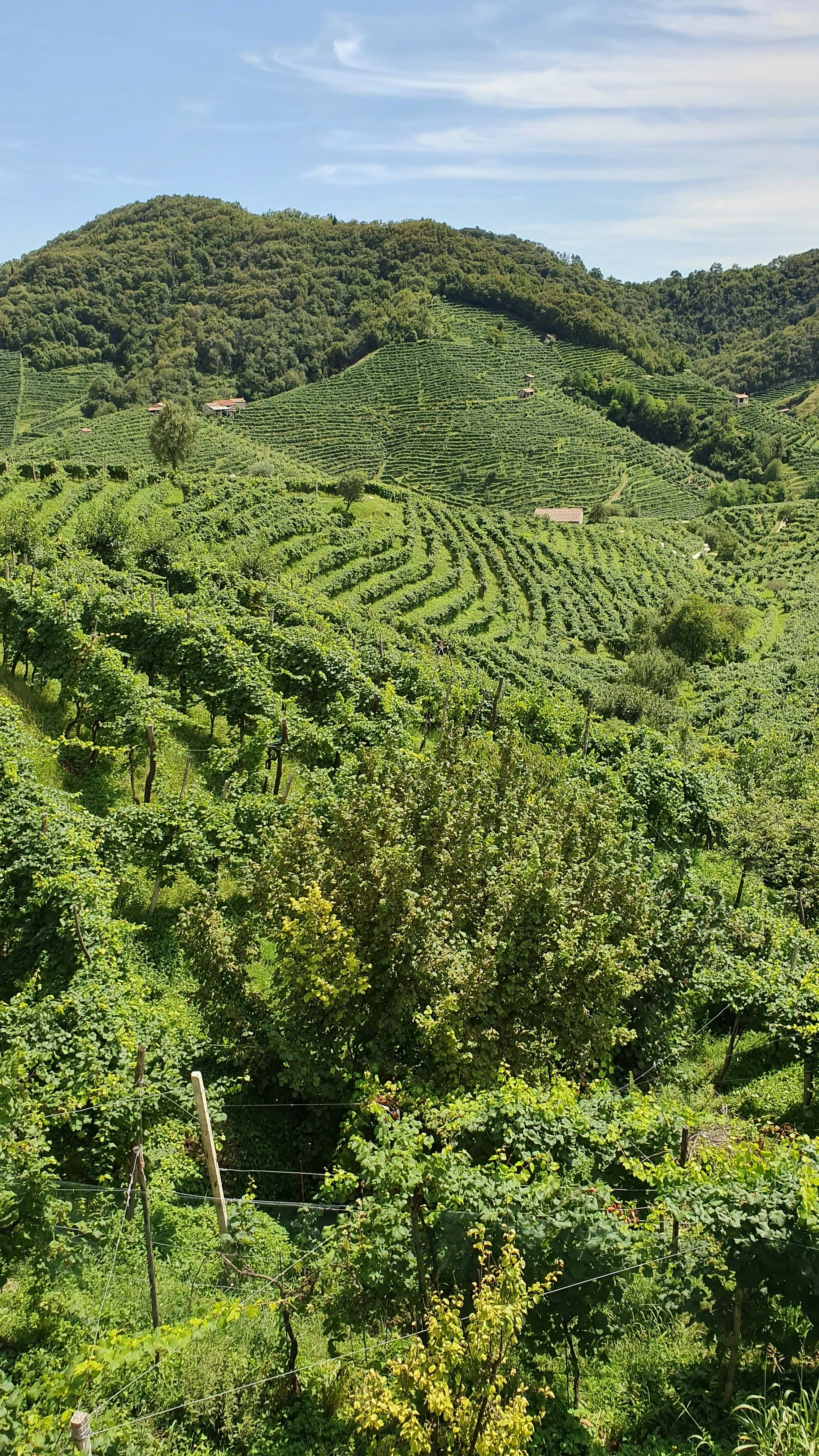
September is also the month when many Italian regions begin the grape harvest. In Tuscany, for example, cities like Florence, Siena, and Lucca offer spectacular landscapes among vineyards and medieval villages.
Other interesting areas for wine and local food experiences include Valdobbiadene and the Treviso area, where you can find wineries, tastings, and small events dedicated to prosecco.
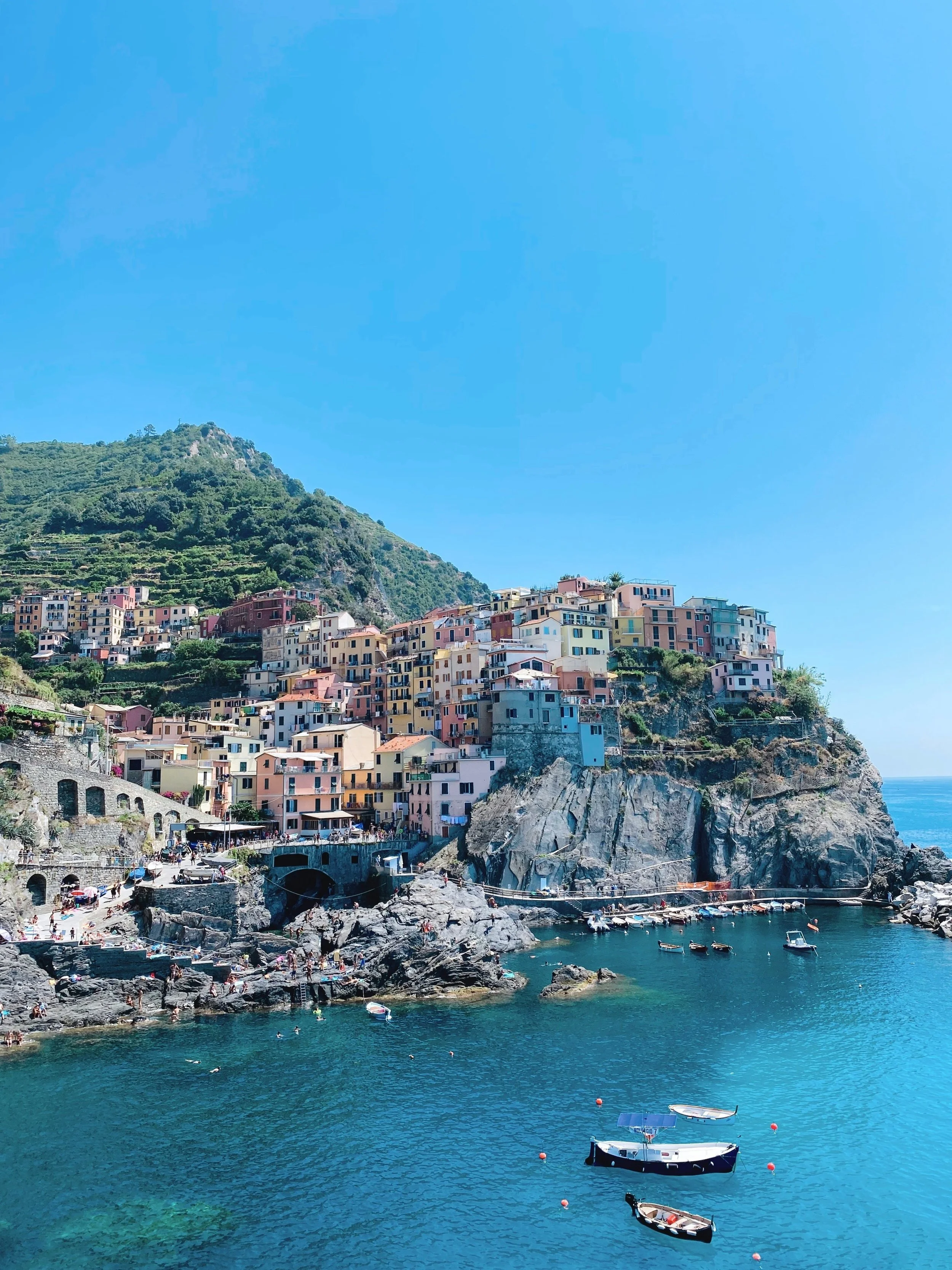
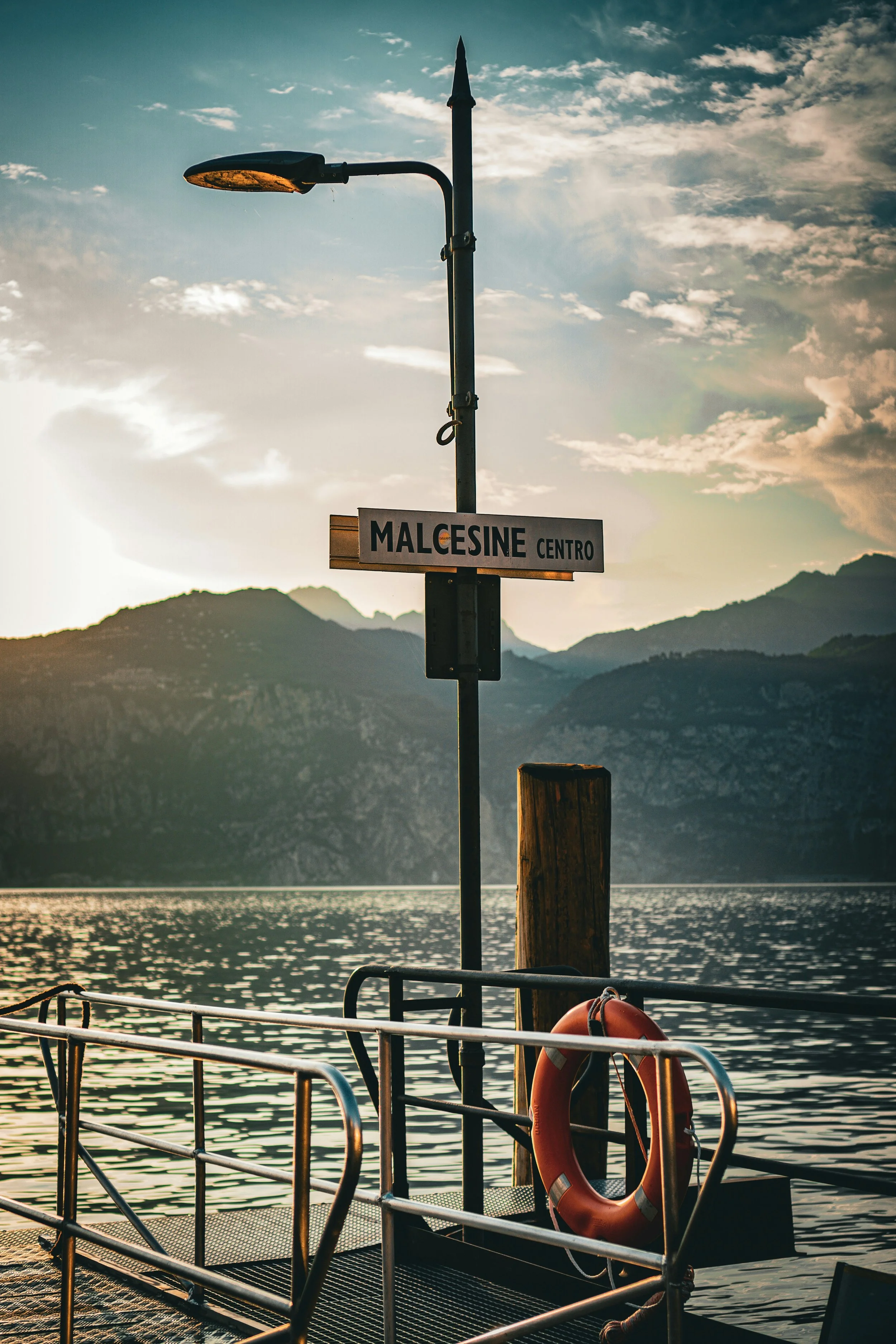
It is also a great time to visit seaside destinations such as Sardinia, the Cinque Terre, or Lake Garda, when the weather is still pleasant but the atmosphere is quieter than in summer.
October – November
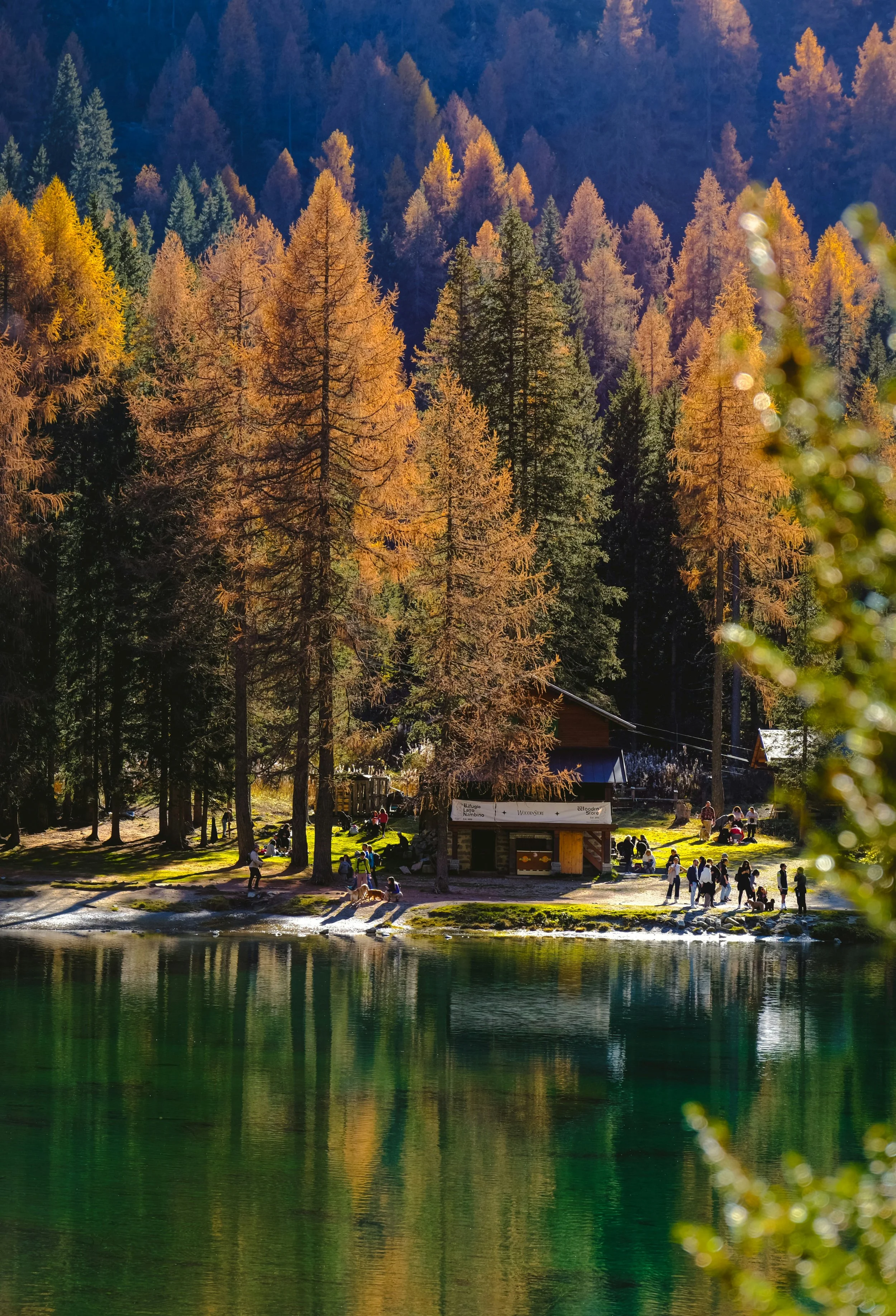
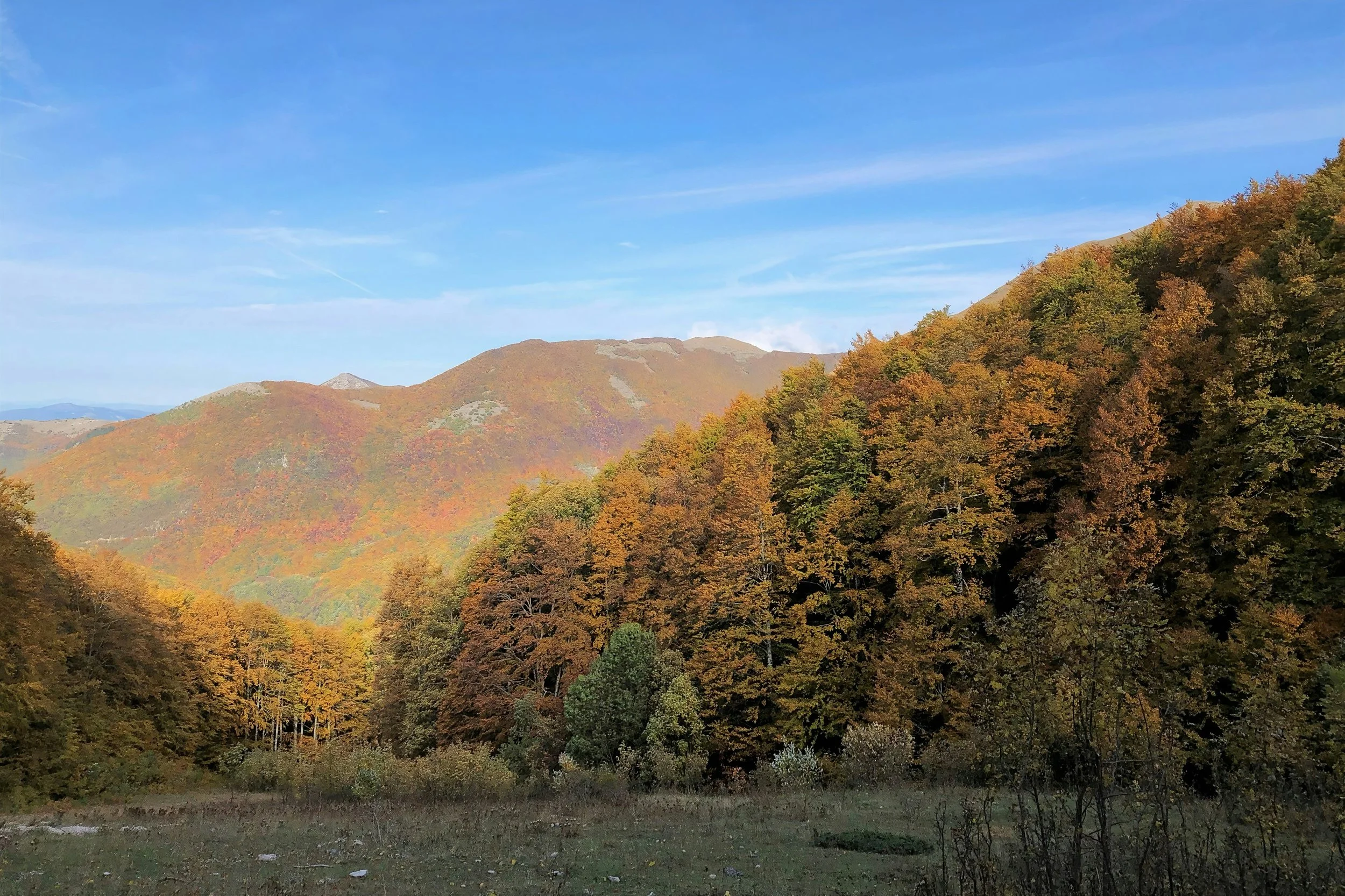
Autumn brings a completely different atmosphere to many Italian regions, especially in the countryside. Landscapes change color, and many gastronomic traditions take center stage.
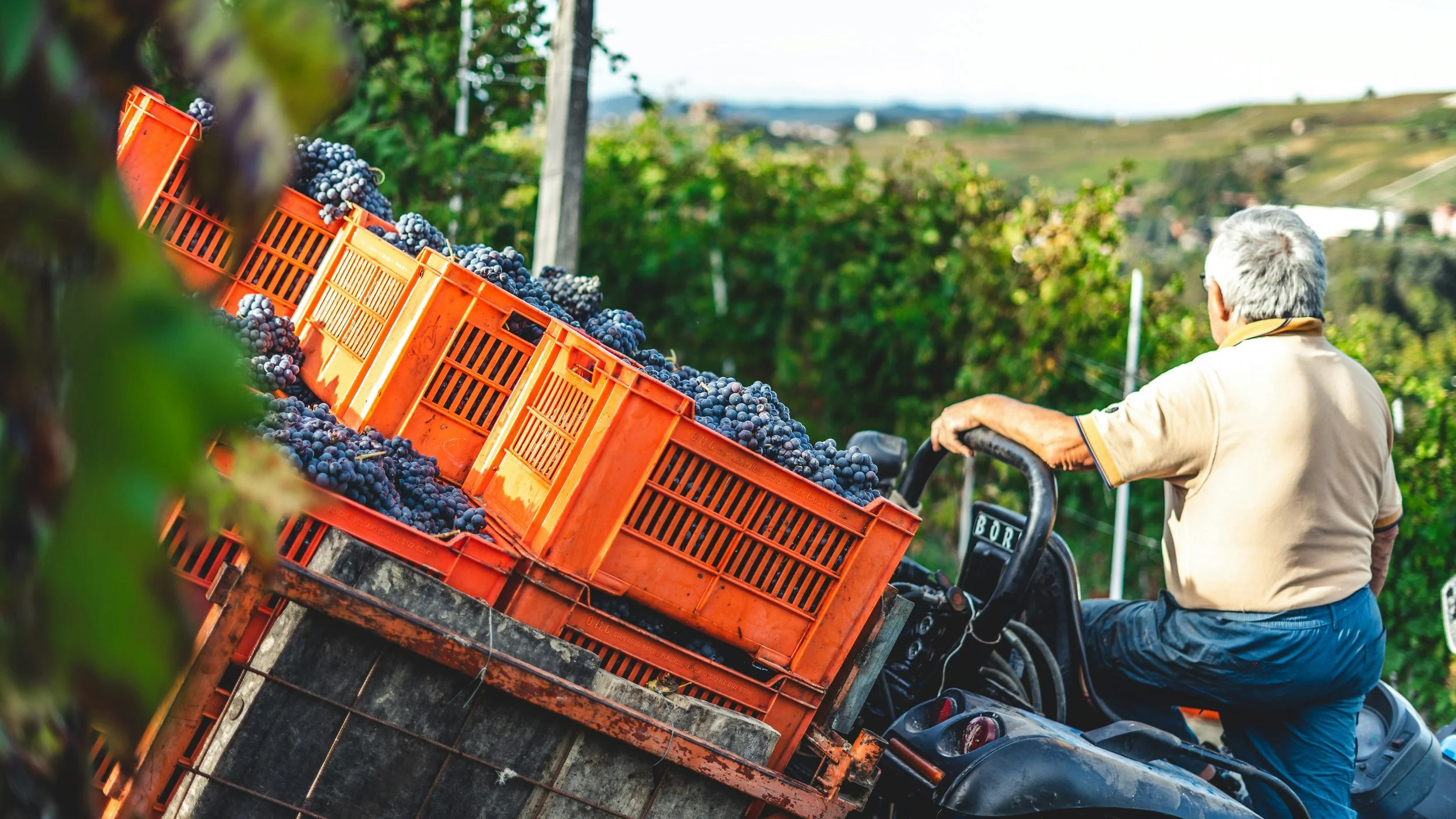
October and November are the main months for the grape harvest and the end of grape picking in many Italian wine regions. This is the ideal time to visit wineries, participate in tastings, and experience wine-related traditions.
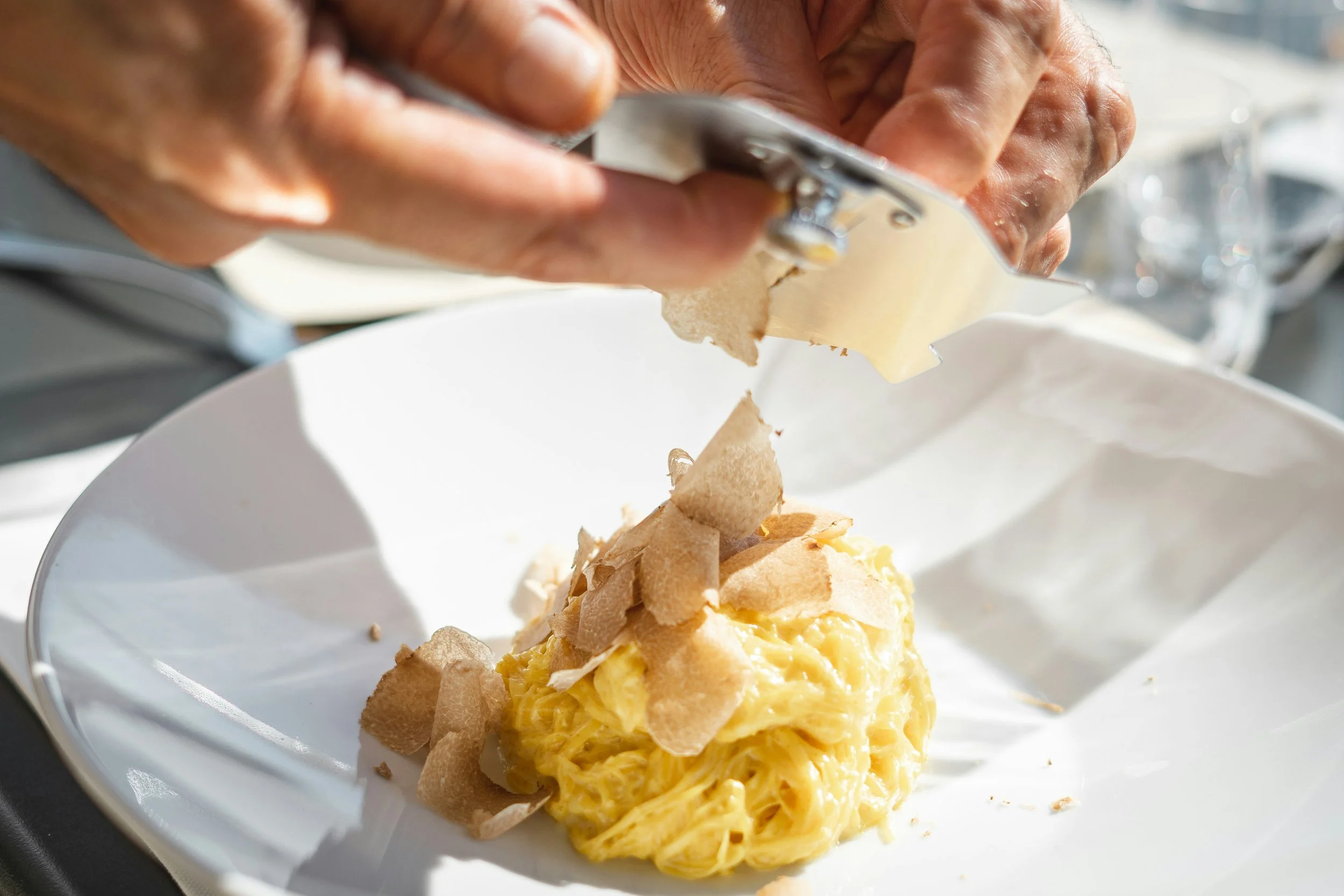
It is also truffle season: in particular, in Piedmont, Tuscany, and Umbria, events and fairs celebrate the white truffle, one of Italy’s most renowned culinary specialties. In Piedmont, for example, the famous Alba White Truffle Fair is held, an unmissable event for truffle lovers.
Additionally, this is the time of chestnut festivals and other autumnal food events, perfect for those who want to discover local cuisine and regional traditions.
Some of the most picturesque destinations to experience autumn are Val d'Orcia, the Chianti area, the Langhe, and villages and towns immersed in the warm colors of fall.
Tips for traveling in Italy off-season
Always check Italian holidays
Italy has several national and religious holidays throughout the year. When a holiday falls near a weekend, it often creates “bridges,” periods when many people travel.
During these days, demand increases, and consequently, flight and hotel prices can rise. For this reason, it is always advisable to check the holiday calendar when planning a trip. If you want to save money or avoid crowded periods, it may be a good idea to choose accommodations slightly outside city centers or visit less touristy destinations.Bring season-appropriate clothing
During spring and autumn, it is always recommended to dress in layers because temperatures can change throughout the day.
It is also useful to consider the region you plan to visit: in northern and central Italy, days can be cooler and rainier, while southern Italy generally enjoys milder weather.Explore beyond the main cities
When organizing a trip to Italy, travelers often focus only on the major cities. However, to have a fuller experience, it can be interesting to combine visits to major cities with small villages, countryside, or natural landscapes nearby. Often, short trips are enough to discover lesser-known but very authentic places.Take advantage of the slower pace
One of the main benefits of traveling off-season is the ability to move at a more relaxed pace; without the rush of peak tourist periods, it is easier to stroll through cities, visit museums calmly, or simply sit in a local café and watch daily life.
Visiting Italy off-season often allows you to discover the country at a different pace, closer to local daily life.
Thinking about this more relaxed type of travel, I have created some ready-to-go ten-day itineraries, designed specifically for off-season periods. Some of these include destinations already mentioned in this article, such as Lake Garda in spring, Tuscany in autumn, and the Dolomites in winter. If you want to discover all the details, you can visit the website or write to me directly at dolceitalyescape@gmail.com for any questions or curiosities.
